Understanding Why Honey Crystallizes
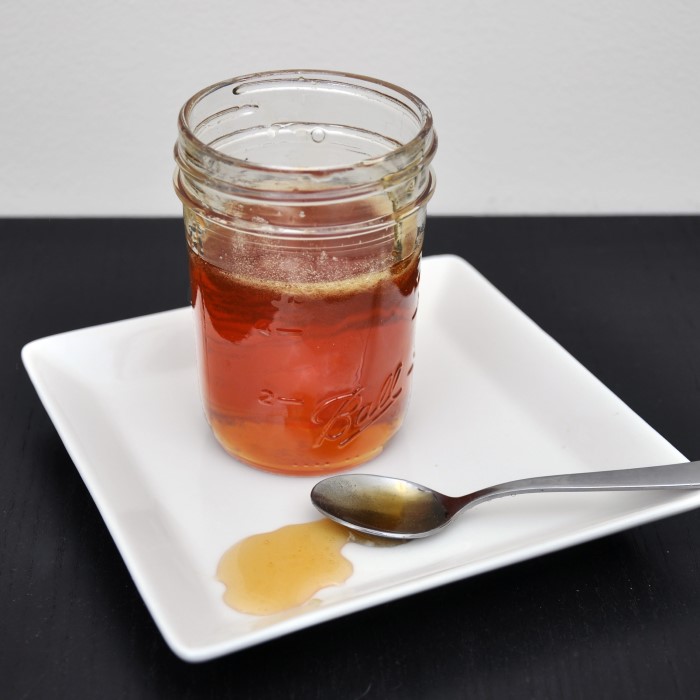
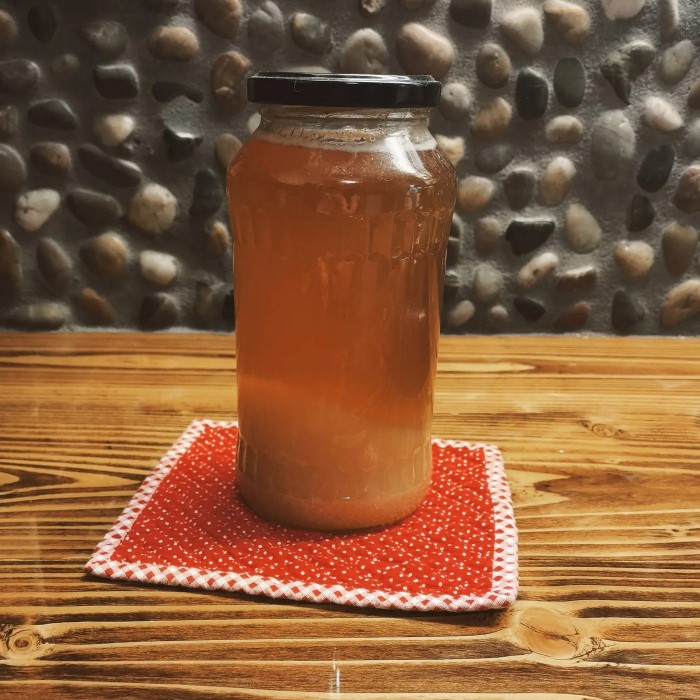
Many people believe that crystallized honey has gone bad. Consequently, they often throw away a perfectly good jar of this liquid gold. However, this natural process is actually a sign of high quality. If you are wondering how to decrystallize honey, you must first understand why it happens. Honey is a supersaturated sugar solution. It contains more sugars than the water can naturally hold. Specifically, it holds two main sugars: glucose and fructose. Over time, the glucose separates from the water. It then forms tiny crystals. Therefore, the texture changes from smooth liquid to a solid or gritty state. Furthermore, the type of honey affects the speed of this process. Raw honey crystallizes much faster than processed honey.
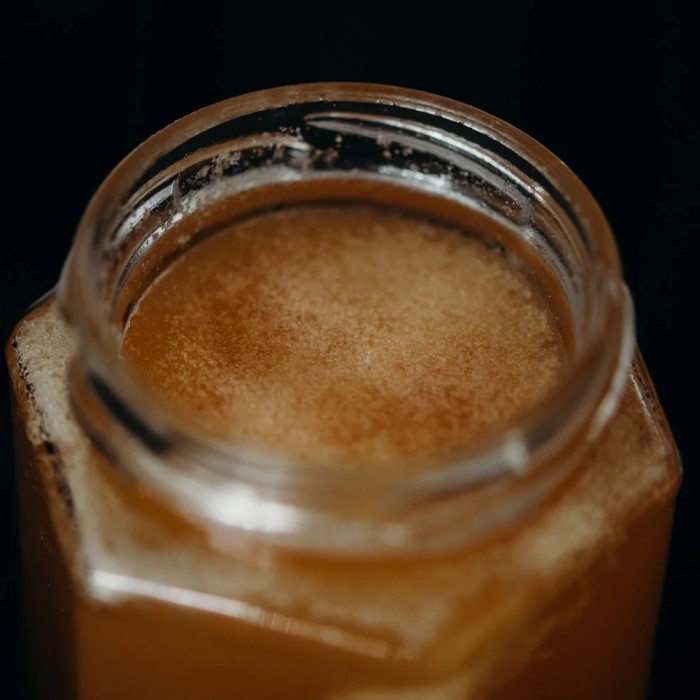
This happens because raw honey contains pollen and propolis particles. These microscopic particles act as “seeds.” The glucose crystals attach to them and grow. Additionally, temperature plays a massive role. Honey crystallizes most rapidly between 50 and 59 degrees Fahrenheit. Therefore, storing it in a cool pantry might actually speed up the process. Understanding this science is the first step. You will realize that your honey is safe and delicious. You simply need to reverse the physical state of the sugars.
The Science Behind the Process
To truly master the art of decrystallization, we must look closer at the chemistry. Honey consists of approximately 70% sugars and 20% water. The remaining 10% includes minerals, proteins, and enzymes. Because the sugar concentration is so high, the water cannot dissolve all the glucose. Therefore, the glucose molecules are under pressure. They want to return to a stable, solid state. This is a natural tendency. Consequently, crystallization is inevitable for most raw honey. Moreover, the ratio of glucose to fructose dictates the speed. Varieties like clover or alfalfa honey have high glucose levels. Thus, they crystallize very quickly. On the other hand, acacia or tupelo honey has higher fructose levels. These types stay liquid for much longer.
Furthermore, the size of the crystals depends on the “seeds.” If the honey is filtered to remove pollen, there are fewer nucleation sites. The crystals that do form tend to be larger and grittier. Conversely, raw honey has many nucleation sites. This results in a smoother, creamier texture when it solidifies. This is the principle behind “creamed honey.” Producers intentionally induce crystallization to create a spreadable product. Therefore, you should not view crystallization as a defect. Instead, view it as a reversible physical change.
The Warm Water Bath Method
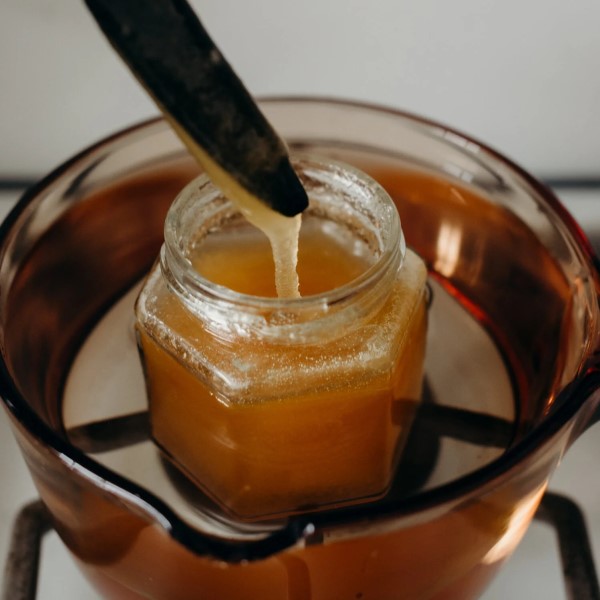
The most effective and gentle method involves a warm water bath. This technique mimics the natural environment of the beehive. First, you need to gather your supplies. You will need a large pot or a deep bowl. Additionally, you need a thermometer if possible. Place your jar of honey into the bowl. Then, fill the bowl with warm water. It is crucial to keep the water temperature controlled. Ideally, the water should be between 95 and 110 degrees Fahrenheit. If the water is too hot, you risk killing the beneficial enzymes in the honey.
Furthermore, excessive heat can cause caramelization. This alters the flavor profile permanently. Therefore, start with warm tap water rather than boiling water. Let the jar sit in the water for about 15 to 20 minutes. As the water cools, you should replace it with fresh warm water. You will notice the crystals beginning to dissolve from the edges. Consequently, you can stir the honey gently to speed up the process. Use a clean spoon to avoid introducing contaminants. This method requires patience. However, it preserves the raw properties of the honey. It is the best answer to the question of how to decrystallize honey safely.
Using a Slow Cooker for Large Batches
Sometimes you might have a large bucket of crystallized honey. A simple water bowl might not be sufficient. In this case, a slow cooker is an excellent tool. First, place the honey container inside the slow cooker. If the container is plastic, ensure it is food-safe and heat-resistant. Glass jars are always the safer option. Next, add water to the slow cooker. The water level should reach about halfway up the jar. Do not let the water touch the lid. Then, set the slow cooker to the “warm” or “low” setting. Do not use the “high” setting.
High heat will damage the honey’s enzymes. Furthermore, you must monitor the temperature closely. Use a kitchen thermometer to check the water. Keep it below 110 degrees Fahrenheit. If the water gets too hot, turn the cooker off. Let the honey sit in the residual heat. This process may take several hours. You should stir the honey occasionally. This distributes the heat evenly. Consequently, the crystals will dissolve uniformly. This method is perfect for beekeepers or bulk buyers. It allows you to restore large quantities without constant supervision. However, you must remain vigilant about the temperature.
The Microwave Method: Pros and Cons
Many people turn to the microwave for a quick fix. Speed is the primary advantage of this method. You can liquefy honey in a matter of minutes. However, there are significant downsides to consider. First, microwaves heat food unevenly. They create “hot spots” within the honey. These hot spots can easily exceed 140 degrees Fahrenheit. At this temperature, the beneficial enzymes begin to die. Furthermore, the plastic compounds in the jar can leach into the honey.
Therefore, you should always transfer the honey to a glass container before microwaving. If you choose this method, use short intervals. Heat the honey for only 30 seconds at a time. Then, stir it thoroughly. This distributes the heat and prevents scorching. Repeat this process until the crystals are gone. Watch the honey closely. You do not want it to boil over. While this method answers how to decrystallize honey quickly, it is not recommended for raw honey enthusiasts. The loss of enzymes and potential flavor changes are significant drawbacks. Use this method only if you are in a rush or if you plan to use the honey for baking.
Preventing Crystallization Through Proper Storage
Prevention is always better than cure. While you can fix crystallized honey, storing it correctly saves you the trouble. The most important factor is temperature. You should store honey at room temperature. Ideally, keep it between 70 and 80 degrees Fahrenheit. Avoid storing it in the refrigerator. Cold temperatures accelerate the crystallization process significantly. Therefore, a kitchen cabinet is much better than a cold pantry. Additionally, you must keep the container tightly sealed. Honey is hygroscopic.
This means it absorbs moisture from the air. Excess moisture can lead to fermentation. Furthermore, you should store honey in glass jars. Glass is non-porous and does not react with the honey. Plastic containers can sometimes leach chemicals. They are also more permeable to moisture. If you buy honey in a plastic tub, consider transferring it to a glass mason jar. Keep the jar away from direct sunlight. UV rays can degrade the honey’s quality over time. By following these simple storage rules, you can keep your honey liquid for months. However, remember that raw honey will eventually crystallize. This is a natural part of its lifecycle.
Common Mistakes to Avoid
When learning how to decrystallize honey, people often make mistakes. These errors can ruin the flavor or quality of the product. One common mistake is using boiling water. As mentioned earlier, excessive heat destroys enzymes. It also creates hydroxymethylfurfural (HMF). This is a compound that forms when sugar degrades. While not toxic, it indicates the honey has been overheated. Another mistake involves water contamination. You must be careful not to splash water into the honey jar.
Water dilutes the honey. This creates an environment for yeast to grow. Consequently, the honey might ferment and taste sour. Always ensure the jar lid is tight. Furthermore, avoid using metal spoons in highly acidic honey for long periods. While brief stirring is fine, long-term storage with metal can cause oxidation. Use wooden or plastic utensils instead. Finally, do not try to decrystallize honey in its original plastic container if using high heat. The plastic can warp or melt. Always prioritize the integrity of the food. Treat honey with care. It is a delicate, natural product.
Creative Uses for Crystallized Honey
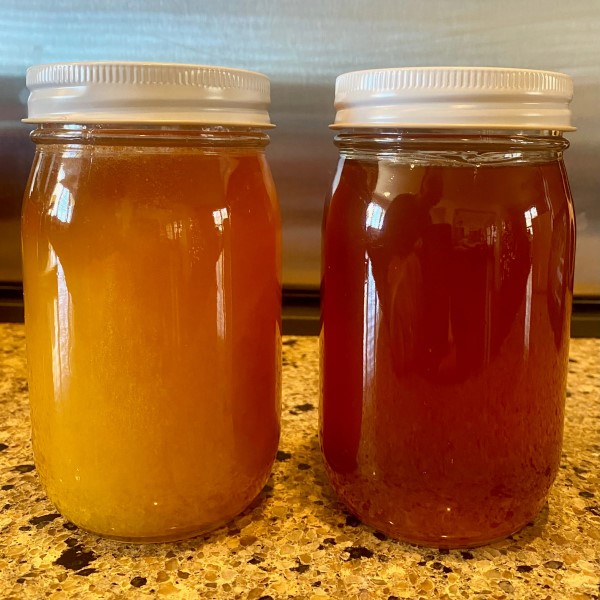
Before you rush to decrystallize your honey, consider its current state. Crystallized honey is actually very useful. In fact, some people prefer it. The texture is thick and spreadable. It does not drip or run off your knife. Therefore, it is perfect for toast or biscuits. You can use it just like butter. Furthermore, crystallized honey is excellent for exfoliation. The sugar crystals act as a natural scrub. You can mix it with a bit of olive oil for a DIY body scrub. It leaves your skin soft and moisturized.
Additionally, you can use it in cooking and baking. The crystals will dissolve during the cooking process anyway. It works wonderfully in oatmeal or yogurt. You do not need to melt it first. Some bakers even prefer crystallized honey for certain recipes. It adds a unique texture. Therefore, do not feel obligated to liquefy it. Embrace the natural state of the honey. You might find that you enjoy the versatility of the solid form. It saves you time and energy. Plus, you preserve all the natural enzymes.
Frequently Asked Questions
How do you Decrystallize honey quickly?
The fastest method is using a microwave. Heat the honey in a glass jar for 30-second intervals. Stir between each interval. However, be aware that high heat can destroy beneficial enzymes and affect the flavor.
How many times can I decrystallize honey?
You can decrystallize honey multiple times. However, repeated heating can degrade the quality. It may cause the honey to darken and lose its aromatic compounds. Therefore, only heat the amount you need immediately.
Can you eat 1000 year old honey?
Yes, honey is one of the few foods that never spoils. Archaeologists have found pots of honey in ancient Egyptian tombs that were still perfectly edible. Its low moisture and acidic nature prevent bacteria from growing.
Is it okay to microwave crystallized honey?
It is okay to microwave crystallized honey if you are in a rush. However, you must be careful. Use a low power setting and short time bursts. Overheating can cause the honey to boil over or lose its nutritional value.
Conclusion
Crystallization is a natural and safe process. It proves that your honey is raw and authentic. You do not need to throw away a jar just because it has turned solid. Now that you know how to decrystallize honey, you can easily restore it to its liquid state. Whether you choose the gentle water bath or the quick microwave method, the process is simple. Remember to keep the temperature low to protect the enzymes. Furthermore, store your honey properly to slow down future crystallization. Keep it at room temperature and sealed tight. By understanding the science and applying these tips, you ensure that your honey remains a delicious staple in your kitchen. Enjoy the sweet rewards of your knowledge.