Understanding the Basics of Water Distillation
Water is essential for life, but not all water is the same. Many people ask how do you make distilled water because they need the purest form of liquid. Tap water contains minerals, chemicals, and impurities. While these are often safe to drink, they can cause issues in specific appliances. For instance, humidifiers and irons function better with pure water. Distillation is a process that removes almost all contaminants. It works by mimicking the natural water cycle. First, water boils and turns into steam.
This steam leaves behind heavy metals and bacteria. Then, the steam cools down and turns back into liquid. The result is clean, clear distilled water. Consequently, this method is one of the most effective purification techniques. You can buy it at the store. However, making it at home is cost-effective and educational. Furthermore, understanding the science helps you appreciate the value of purity. This guide will walk you through the entire process. You will learn the tools, steps, and safety precautions. By the end, you will master the art of distillation.
The Science Behind the Distillation Process
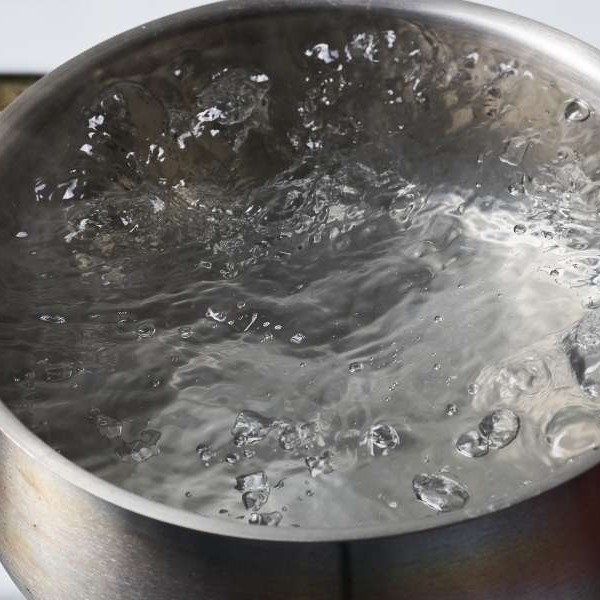
To understand distillation, we must look at the physics of phase changes. Water exists in three states: solid, liquid, and gas. Distillation utilizes the transition between liquid and gas. When you boil water, you add thermal energy. This energy excites the water molecules. Eventually, they move fast enough to escape the liquid phase. Thus, they become steam or vapor. Most impurities have a higher boiling point than water. Alternatively, they are too heavy to be carried by the steam.
Therefore, they remain at the bottom of the boiling container. This separation is the key to purification. The steam is then directed into a cooling area. Here, it loses heat energy. Consequently, the molecules slow down and bond together again. They return to a liquid state. This liquid is pure water. It lacks the minerals and salts found in the original source. This scientific principle is simple yet incredibly powerful. It ensures that the final product is chemically pure H2O. Understanding this helps you troubleshoot the process. If your water tastes funny, the steam might have carried over impurities. This happens during violent boiling. Therefore, a steady heat is crucial for success.
Essential Tools Required for Home Distillation
How do you make distilled water? You do not need a laboratory to distill water. Most kitchens already have the necessary equipment. First, you need a large pot. A stainless steel pot works best because it conducts heat evenly. Second, you need a lid for the pot. Ideally, the lid should have a handle or a knob in the center. This shape helps collect the condensing water. Third, you need a heat-resistant bowl or cup. This container will sit inside the pot to catch the distilled water.
Furthermore, you will need ice. Ice accelerates the condensation process significantly. It cools the lid, which turns the steam back into liquid faster. Additionally, you need a stove or a heat source. A standard kitchen stove is perfect for this task. Finally, have a clean glass container ready for storage. Plastic containers can leach chemicals over time. Therefore, glass is the superior choice for storing pure water. Before you start, ensure all items are clean. Any residue in the bowl will contaminate your distilled water. Thus, thorough cleaning is a mandatory preparatory step. Gather these items, and you are ready to begin.
Step-by-Step Guide to the Glass Bowl Method
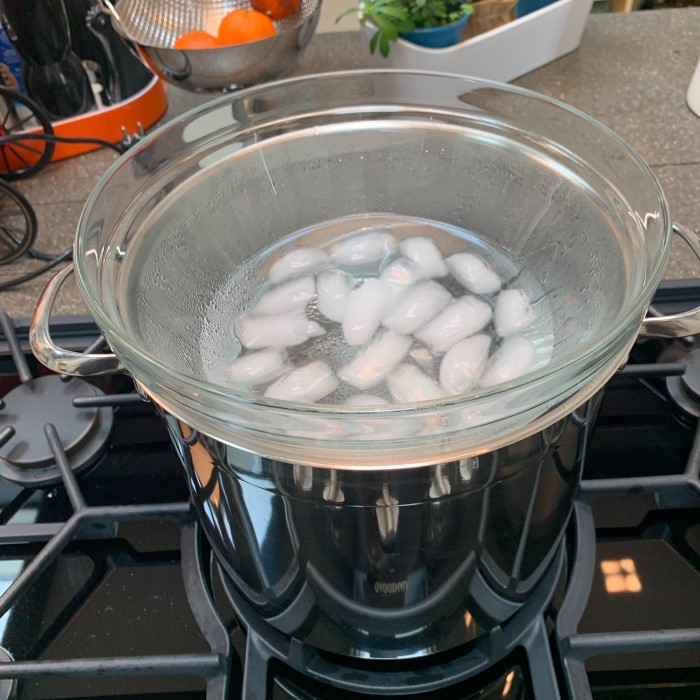
How do you make distilled water? The glass bowl method is the most common way to distill water at home. It is efficient and requires minimal setup. First, place your large pot on the stove. Fill the bottom with water. Do not fill it to the brim. Leave enough space for the glass bowl to float. Next, place the glass bowl in the center of the pot. It should float on the water. If it touches the bottom, the water level is too low. Then, turn on the heat. Bring the water to a gentle boil. It is important to avoid a rolling boil.
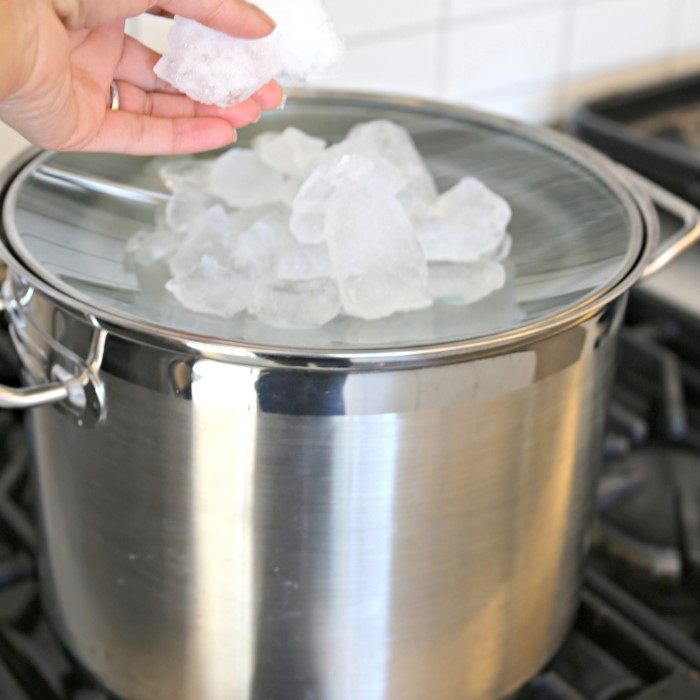
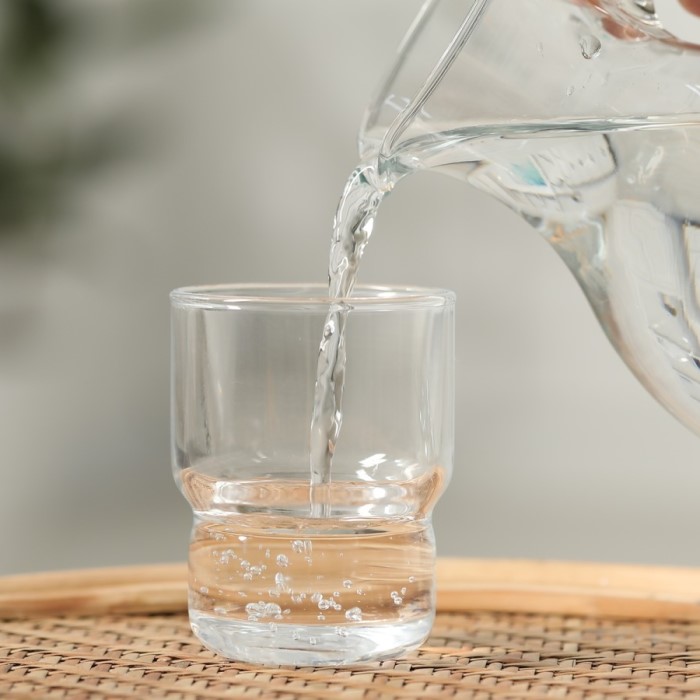
A rolling boil can splash into the collection bowl. Consequently, this would contaminate the distilled water. Once the water simmers, place the lid on the pot upside down. The handle should point towards the bowl. Now, place ice cubes on top of the lid. The cold lid will cause the steam to condense. The water droplets will then drip into the bowl. You must replace the ice as it melts. Continue this process until you have the desired amount of water. Finally, turn off the heat. Let everything cool before handling. Pour the distilled water into your storage container carefully.
Alternative Methods for Collecting Condensation
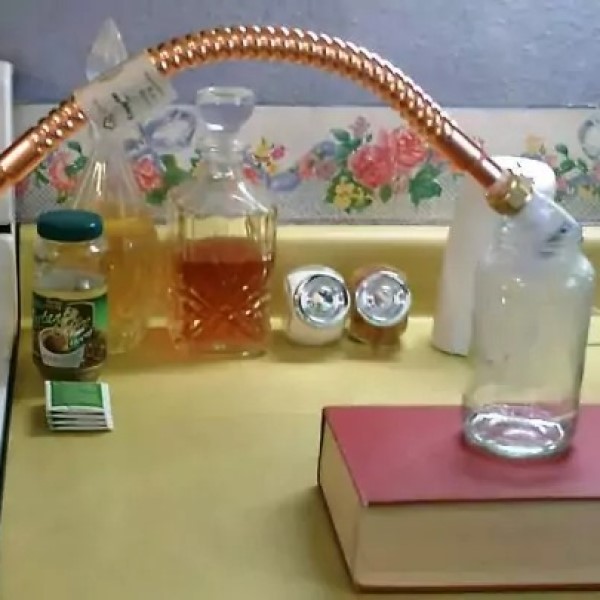
While the glass bowl method is popular, other techniques exist. Some people prefer using a glass lid with a vent. You can attach tubing to the vent. The steam travels through the tube into a separate container. This method resembles a miniature moonshine still. However, it requires more equipment and seals. Another method involves using a pressure cooker. A pressure cooker can reach higher temperatures. This makes the process faster. You can attach a copper coil to the steam release valve.
The coil acts as a condenser. As steam passes through, it cools and drips out. Furthermore, you can use a simple rain collection method. Rainwater is essentially nature’s distilled water. It evaporates from the earth and falls as precipitation. However, it picks up pollutants from the air. Therefore, it is not as pure as boiled distilled water. For the safest results, stick to the stove method. It gives you control over the environment. You can ensure no outside contaminants enter the system. Consequently, the quality remains high. Choose the method that fits your resources and comfort level.
Common Mistakes to Avoid During Distillation
Many beginners make simple errors that ruin the process. First, they boil the water too vigorously. As mentioned earlier, a rolling boil is bad. It splashes undistilled water into the collection bowl. This defeats the purpose of distillation. Therefore, maintain a steady simmer. Second, they forget to replace the ice. If the lid gets warm, condensation stops. The steam escapes rather than turning into water. Thus, you must monitor the ice level constantly. Third, they use dirty equipment.
Even a small amount of soap residue can spoil the water. It will taste like soap. Consequently, you must rinse everything thoroughly. Another mistake is letting the pot run dry. This can damage your pot and create a fire hazard. Always ensure there is enough water in the base. Furthermore, do not touch hot surfaces without protection. Steam burns are severe. Use oven mitts when handling the lid or bowl. By avoiding these mistakes, you ensure a successful batch. The process becomes easier with practice. Soon, you will produce pure water effortlessly.
Practical Uses for Your Homemade Distilled Water
You might wonder why you went through the trouble. Actually, distilled water has many practical applications. First, it is excellent for household appliances. Irons, humidifiers, and CPAP machines require pure water. Tap water leaves mineral deposits. These deposits clog the machines over time. Consequently, using distilled water extends their lifespan. Second, it is great for car maintenance. You can use it in car batteries and cooling systems. Minerals in tap water can corrode engine parts.
Therefore, distilled water is the safer choice. Third, it is beneficial for plants. Some sensitive plants cannot tolerate chlorine or hard water salts. Distilled water provides them with hydration without the chemicals. Furthermore, many people use it for drinking. They believe it is the healthiest option. While it lacks minerals, it is free from contaminants. You can also use it for cleaning. It leaves no streaks on glass or mirrors. This is because there are no dissolved solids. As you can see, the effort is worth it. You save money on store-bought water. You also protect your valuable appliances.
Storing Your Distilled Water Properly
Once you have made the water, storage is crucial. Distilled water is aggressive. It lacks ions. Consequently, it tries to absorb minerals from its container. Therefore, glass jars are the best option. They do not leach chemicals. Plastic containers are acceptable for short-term storage. However, over time, plastic can degrade. The water might pick up a plastic taste. Additionally, you must seal the container tightly. Distilled water absorbs carbon dioxide from the air. This forms a mild acid.
While not harmful, it lowers the pH. It can make the water taste slightly sharp. Therefore, keep the lid on when not in use. Store the water in a cool, dark place. Sunlight promotes algae growth if any contaminants enter. Label the containers with the date. While water does not expire, the container might. Glass containers can last indefinitely. Check the water before use. It should be clear and odorless. If you see particles, discard it. Proper storage ensures your hard work does not go to waste. You will have fresh, pure water available whenever you need it.
Frequently Asked Questions
Is boiled water the same thing as distilled water?
No, boiled water is not the same. Boiling kills bacteria and viruses. However, it does not remove minerals or chemicals. The steam must be captured and cooled to create distilled water.
What is a substitute for distilled water?
Rainwater is a natural substitute, though it may contain pollutants. For appliances, you can use filtered water in a pinch. However, this will leave mineral deposits over time. Deionized water is another laboratory alternative.
Do monsteras need distilled water?
Monsteras can tolerate tap water. However, they prefer distilled or filtered water. Tap water often contains chlorine and salts. These can cause brown tips on the leaves. Using distilled water prevents this sensitivity issue.
Is it cheaper to buy distilled water or make your own?
It depends on volume. If you need small amounts, making it at home is cheaper. The energy cost is low. For large quantities, buying it by the gallon is more convenient. It saves time and stove usage.
Conclusion
Learning how do you make distilled water is a valuable skill. It allows you to access pure water without relying on the store. The process is simple and uses common kitchen tools. You only need heat, a pot, and ice. Furthermore, the benefits are significant. You protect your appliances and health. You also save money in the long run. While it requires patience, the result is worth the effort. You gain a deeper understanding of water purity. Next time you need pure water, try this method. You will find it both rewarding and practical. Start your distillation project today and enjoy the benefits of purity.