Understanding the Benefits of Cat Grass for Your Feline
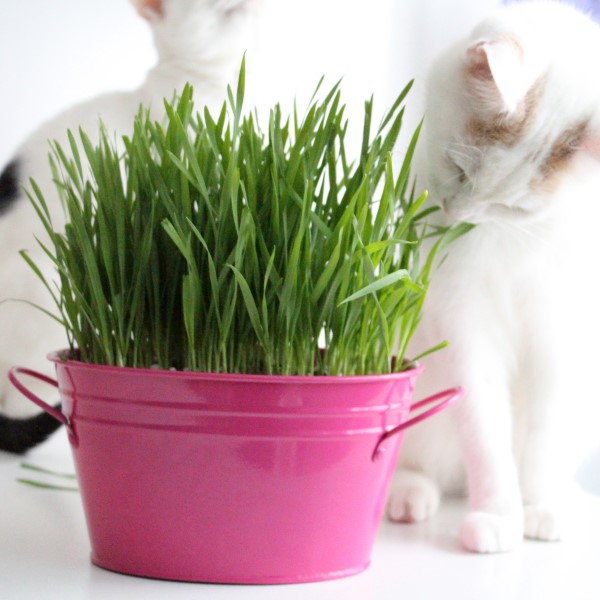
Many cat owners observe their pets chewing on houseplants. This behavior often leads to destroyed foliage or sick pets. However, there is a safe and healthy alternative. You can provide specific greens designed for feline consumption. Learning how to grow cat grass offers a solution to this common issue. It is a simple project with immense benefits for your pet’s health. First, cat grass aids in digestion. It acts as a natural laxative to help pass hairballs. Consequently, your cat feels more comfortable.
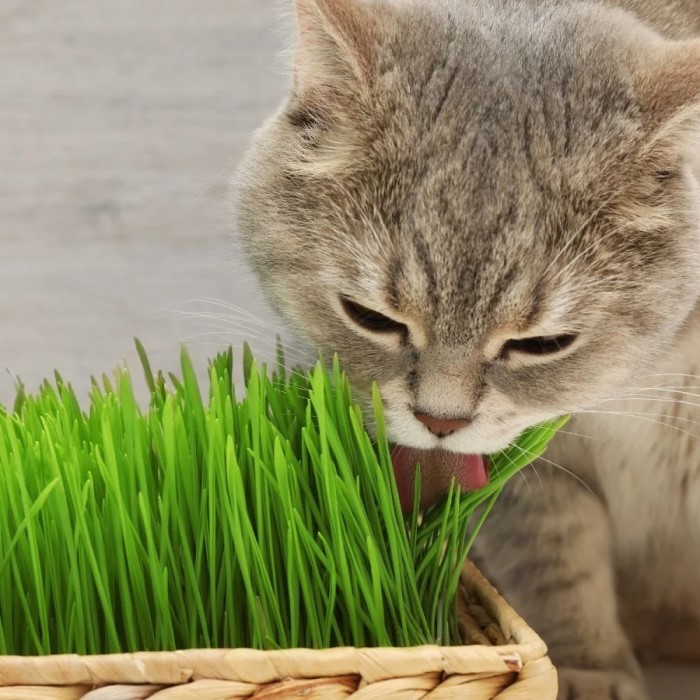
Furthermore, it provides essential vitamins. Folic acid, for example, is crucial for producing hemoglobin. Additionally, chewing on grass satisfies a cat’s natural instinct to graze. This distraction saves your expensive furniture and decorative plants from damage. Moreover, it is a cost-effective way to treat your pet. You save money on expensive treats and vet bills. Therefore, starting this small garden project is a wise decision for any pet owner. You ensure your cat stays happy and healthy.
Selecting the Right Seeds for Your Garden
The first step involves choosing the correct type of seeds. You cannot use just any grass seed from the hardware store. Some lawn seeds contain chemicals harmful to cats. Therefore, you must select seeds specifically labeled for pets. There are several popular varieties available. Wheatgrass is the most common choice. It grows quickly and is very nutritious. Oat grass is another excellent option. It has a sweeter taste that many cats love. Additionally, barley grass is highly nutritious.
It offers a soft texture that is gentle on a cat’s mouth. You might also consider rye grass. It is durable and grows in thick tufts. Many suppliers offer mixed seed packets. These mixes provide a variety of textures and flavors. Consequently, your cat gets a diverse range of nutrients. Always check the packaging for organic certification. This ensures the seeds are free from pesticides. Making the right choice at this stage guarantees a safe harvest.
Essential Tools and Supplies Needed
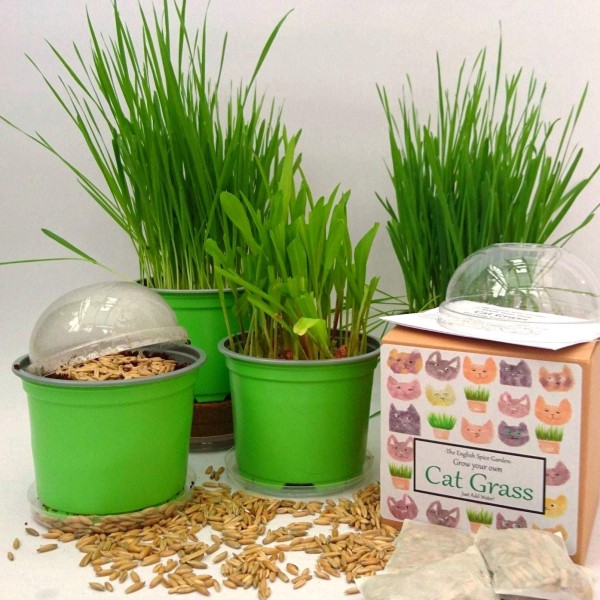
How to grow cat grass? You do not need expensive equipment to start. However, having the right tools makes the process smoother. First, you need a suitable container. You can use small plastic pots, ceramic bowls, or even shallow trays. The container must have drainage holes. These holes prevent water from pooling at the bottom. Excess water leads to mold and root rot. Next, you need a good quality growing medium. Soil is the traditional choice. It provides stability and nutrients. Alternatively, you can use a soil-less mix.
Peat moss or coconut coir are popular options. They are cleaner and less messy than dirt. Furthermore, you need a spray bottle. This tool helps you water the seeds gently. A heavy stream of water can displace the seeds. Finally, prepare a clear plastic wrap or a humidity dome. This cover creates a greenhouse effect. It keeps the moisture high during the germination phase. Gather these items before you begin. Preparation ensures a successful planting experience.
Preparing the Soil and Planting the Seeds
How to grow cat grass? Preparation is the key to successful germination. First, soak your seeds in water. This step is crucial for larger seeds like wheat or oats. Soaking jump-starts the germination process. Leave them in water for about 6 to 12 hours. Meanwhile, prepare your container. Fill it with your chosen growing medium. Leave about half an inch of space at the top. Then, level the surface evenly. Next, drain the water from the seeds. Spread the seeds evenly over the soil surface. You want a dense layer, but avoid piling them on top of each other.
Overcrowding can lead to mold issues. After spreading the seeds, press them gently into the soil. You do not need to bury them deep. A light covering of soil or vermiculite is sufficient. Alternatively, you can leave them exposed on the surface. Finally, water the seeds lightly. Use your spray bottle for this task. The soil should be moist but not waterlogged. This careful preparation sets the stage for rapid growth.
The Germination Phase and Early Care
How to grow cat grass? The first few days are the most critical. You must create the perfect environment for the seeds. First, cover the container with plastic wrap. This traps moisture and warmth. Place the container in a warm, dark spot. You do not need light at this stage. Check the seeds daily. Ensure the soil remains consistently moist. If it looks dry, mist it with water. Within two to three days, you will see small white shoots. These are the young roots breaking through. Shortly after, green blades will appear.
Once the blades emerge, remove the plastic cover. Now, the grass needs light to grow. Move the container to a sunny window. Ideally, it should receive indirect sunlight. Direct, hot sun might scorch the delicate blades. However, insufficient light causes the grass to become leggy and weak. Therefore, finding the right balance is essential. Air circulation is also important now. It helps prevent mold growth. This phase requires daily attention and care.
Maintaining Your Cat Grass for Longevity
Proper maintenance extends the life of your grass. After the grass reaches a few inches in height, it requires less intense care. However, watering is still a daily task. Check the soil moisture every day. Cat grass grows quickly and consumes a lot of water. Water the grass when the top layer of soil feels dry. Pour water slowly until you see it drain from the bottom. Do not let the container sit in standing water. This causes root rot. Furthermore, consider the lighting conditions. If you lack natural sunlight, use a grow light.
This keeps the grass vibrant and green. Additionally, watch out for mold. White fuzz on the soil surface is a sign of trouble. It usually indicates overwatering or poor air circulation. If you see mold, move the grass to a breezier spot. You can also reduce watering slightly. Trim the grass tips occasionally. This encourages new growth from the base. With the right care, your grass can last for several weeks.
Troubleshooting Common Growing Problems
Even experienced gardeners face challenges. One common issue is mold growth. As mentioned, it stems from excess moisture. To fix this, increase air circulation. You can also sprinkle a small amount of cinnamon on the soil. Cinnamon is a natural anti-fungal agent. Another problem is yellowing blades. This usually means the grass lacks nutrients or water. Ensure you water it adequately. If you used a soil-less mix, the grass might need liquid fertilizer. However, be very careful with fertilizers.
They can be toxic to cats. It is safer to start with nutrient-rich soil. Sometimes, the grass falls over. This is called “damping off.” It happens when seeds are planted too densely. Next time, spread the seeds more thinly. Also, ensure the container is clean. Dirty containers harbor bacteria. If your cat vomits after eating the grass, do not panic. This is a natural behavior. Cats eat grass to induce vomiting and clear their stomachs. However, if the vomiting is excessive, consult a vet. These tips help you overcome hurdles.
Harvesting and Serving to Your Cat
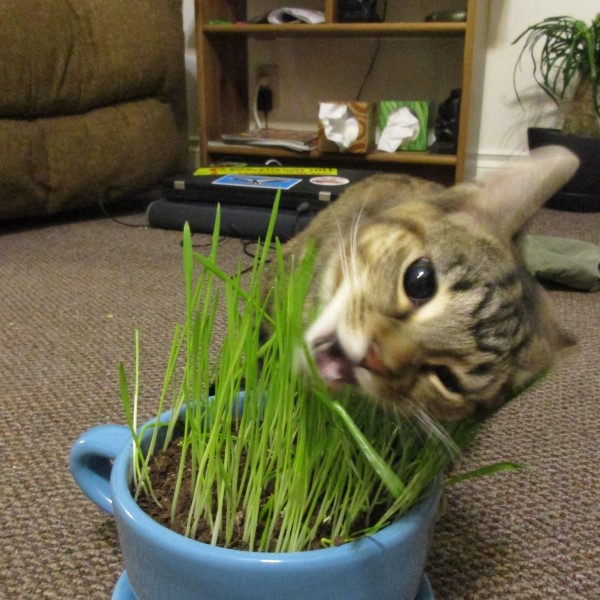
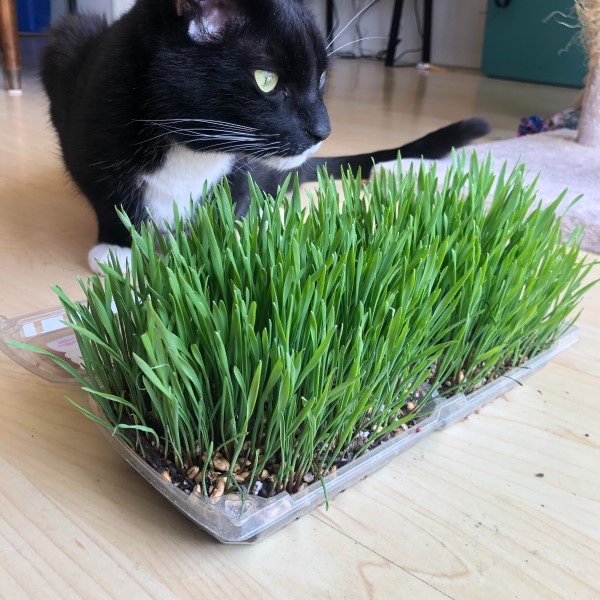
Knowing when to harvest is important. Wait until the grass is about 4 to 6 inches tall. At this height, it is tender and easy to digest. You can let your cat graze directly from the pot. However, some cats are aggressive eaters. They might pull the whole plant out of the soil. To prevent this, you can harvest the grass for them. Use sharp scissors to cut the blades near the base. Chop the grass into small pieces. Then, sprinkle it over their food. This is a great way to add fiber to their diet. Alternatively, offer the pot as a treat.
Place it in an area where your cat likes to hang out. Monitor their reaction. Some cats love it immediately. Others might need time to adjust. Remove the pot after they have eaten some. This prevents them from destroying the plant. It also keeps the grass fresh for the next serving. Growing your own treats is rewarding.
FAQ: Your Questions Answered
Here are answers to the most frequently asked questions about growing cat grass.
How easy is it to grow cat grass?
It is incredibly easy to grow. The process requires minimal effort. You only need seeds, soil, water, and light. Most people see results within a week. It is a perfect project for beginners or children. Furthermore, it grows very quickly. You can go from seed to harvest in just 10 to 14 days. If you follow the basic instructions, success is almost guaranteed. It is one of the simplest gardening tasks available.
How long does it take for cat grass to grow?
The timeline is quite short. Seeds usually sprout within 2 to 4 days. The grass reaches a harvestable height in about 7 to 14 days. The exact time depends on the variety and conditions. Wheatgrass grows very fast. Oat grass might take a few days longer. Warmth and light speed up the process significantly. Therefore, keep it in a warm spot. You will have a lush pot of grass in no time.
What are the disadvantages of cat grass?
There are very few downsides. However, some cats might overeat. This can lead to vomiting. While this is natural, it can be messy. Also, the grass has a limited lifespan. It eventually turns yellow and dies. You need to plant new batches regularly. Furthermore, indoor grass can attract bugs. Fruit flies sometimes hover around the soil. Finally, mold can be an issue if you overwater it. These problems are easily managed with proper care.
Conclusion
Growing your own cat grass is a rewarding experience. It benefits both you and your pet. You provide a safe, healthy snack. Your cat satisfies its natural grazing instincts. The process is simple and cost-effective. You do not need a green thumb to succeed. With the right seeds and basic care, you can maintain a steady supply of fresh greens. Remember to avoid toxic chemicals. Always prioritize organic options. This ensures your cat stays safe. Now that you know how to grow cat grass, you can start today. Your feline friend will thank you for the delicious treat. Enjoy your gardening journey.