The Importance of Changing Your Strings
Every guitarist eventually faces the task of changing strings. Many beginners feel intimidated by this process. However, learning how to string a guitar is a fundamental skill. Old strings lose their brilliance and tone. Consequently, your music sounds dull and lifeless. Furthermore, old strings are more prone to breaking. This can happen at the most inconvenient times. Therefore, regular maintenance is crucial for any musician. You might wonder when the right time is. Generally, you should change them every few months.
This depends on how often you play. If you play daily, change them more often. Additionally, the oils on your fingers degrade the metal. Dirt builds up in the windings. This deadens the vibration of the string. As a result, the sustain is shortened. You work hard to improve your playing skills. Do not let bad strings hold you back. A fresh set of strings can make a cheap guitar sound better. It brings back the sparkle and clarity. Thus, understanding this process is vital. It ensures your instrument always sounds its best. In 2026, guitar technology has advanced. Yet, the basic need for fresh strings remains the same. Embrace this maintenance task. It is a sign of a dedicated musician.
Recognizing the Signs of Wear
How to string a guitar? Knowing when to change strings is the first step. You do not need a calendar to tell you. Instead, your eyes and ears are the best tools. First, look at the strings closely. Do you see discoloration or rust? This is a clear sign of wear. Furthermore, check for kinks or flat spots. These occur from pressing the strings against frets.
Such damage affects the vibration. Consequently, the note may sound out of tune. You might also feel a difference. Run your finger along the string. Does it feel rough or gritty? This texture comes from accumulated dirt. Additionally, the string may feel stiff. New strings have a certain elasticity. Old strings become brittle. Therefore, they are harder to bend. Another sign is tuning stability. If your guitar constantly slips out of tune, check the strings. They might be stretching unevenly. Or they could be stuck at the nut. Sometimes, the winding on the tuning post comes loose. This causes the string to slip. Consequently, you cannot stay in tune. Do not ignore these warning signs. Playing on dead strings is frustrating. It makes learning harder than necessary. Change them as soon as you notice these issues.
Gathering the Necessary Tools
Before you start, gather your tools. The process is much smoother with the right equipment. You do not need a professional workshop. A few simple items will suffice. First, you need a new set of strings. Make sure they are the correct type for your guitar. Do not put electric strings on an acoustic guitar. Furthermore, you need a string winder. This inexpensive tool saves a lot of time. It helps you turn the tuning pegs quickly. Some winders also have a notch for pulling bridge pins. This is very useful for acoustic guitars.
Additionally, a pair of wire cutters is essential. You will need to trim the excess string length. Normal scissors will not work on steel strings. Therefore, get a sturdy pair of cutters. A digital tuner is also helpful. You will need to tune the new strings up to pitch. Moreover, a soft cloth is good to have. You can clean the guitar body while the strings are off. Some players also use lemon oil for the fretboard. This conditions the wood. However, check if your fretboard is finished or unfinished. Unfinished rosewood or ebony needs oil. Maple fretboards usually do not. Thus, check your specific guitar model. Having everything ready prevents interruptions. It makes the whole experience enjoyable.
Removing the Old Strings Safely
The first physical step is removal. You must take off the old strings. There are two schools of thought here. Some people remove all strings at once. Others remove and replace one by one. Removing all strings allows for a deep clean. You can easily access the fretboard. However, this releases all tension on the neck. Consequently, some luthiers advise against it. They suggest keeping tension on the neck. Therefore, the one-by-one method is often safer. It maintains a consistent tension. Start by loosening the low E string.
Use your string winder to turn the tuning peg. Keep turning until the string is floppy. Do not cut a tight string. It can snap and cause injury. Once loose, unwind it from the peg. For acoustic guitars, you will need to pop out the bridge pin. Use the notch on your winder for this. Then, pull the string out from the bridge. For electric guitars, the process varies. Some have strings that go through the back. Others have a top-loaded bridge. Feed the string through the hole. Repeat this process for each string. Be careful with the sharp ends. Coil the old strings up. This prevents them from scratching your guitar or you. Dispose of them responsibly.

Cleaning and Conditioning the Fretboard
Now that the strings are off, seize the opportunity. This is the perfect time to clean the guitar. You rarely get access to the wood under the strings. Therefore, do not waste this chance. First, take your soft cloth. Wipe down the entire body of the guitar. Remove dust and fingerprints. Furthermore, focus on the fretboard. You will likely see a buildup of grime. This is a mix of dead skin and oil. It looks unsightly and affects playability. Use a specialized fretboard cleaner or lemon oil. Put a small amount on a cloth.
Rub it gently into the wood. Follow the grain of the wood. Additionally, you can clean the frets themselves. Some players use very fine steel wool. However, be extremely careful. Cover the pickups with tape first. Steel wool shreds can stick to magnets. This looks messy. Alternatively, use a specialized fret polishing cloth. This shines the metal frets. Consequently, your fingers will glide more smoothly. If your fretboard is dry, let the oil soak in. Then, wipe off the excess. A hydrated fretboard looks rich and dark. It also protects the wood from cracking. This step improves the look and feel of your instrument. It shows you care for your gear.
Installing the New Strings Correctly
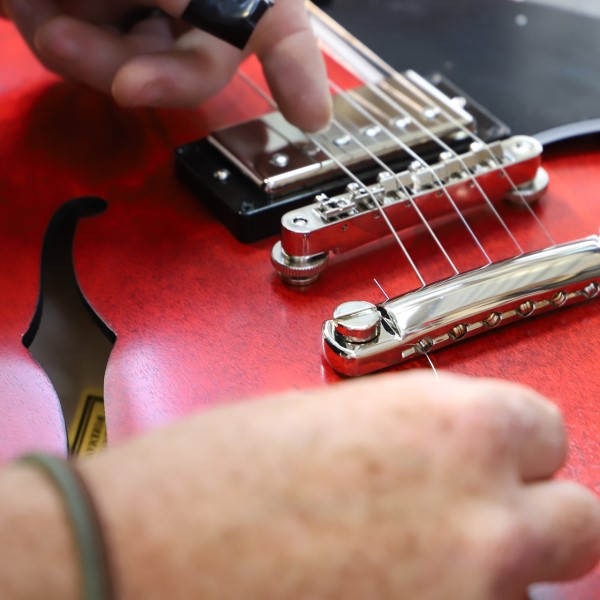
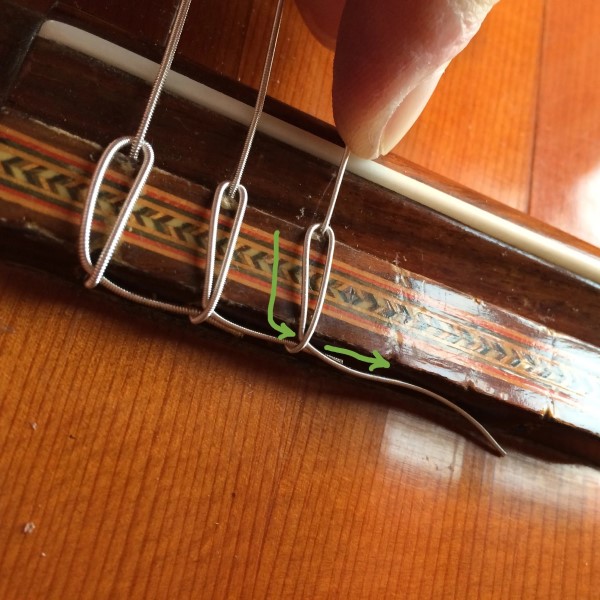
How to string a guitar? Installing the new strings is the most critical part. You must do this correctly to ensure tuning stability. Start with the low E string again. Take the fresh string out of the pack. Uncoil it carefully. Straighten it out gently. First, anchor the string at the bridge. For acoustic guitars, place the ball end into the hole. Then, insert the bridge pin. Push it down firmly. Pull the string up slightly until the ball catches. You should feel it lock into place. For electric guitars, feed the string through the back or the bridge.
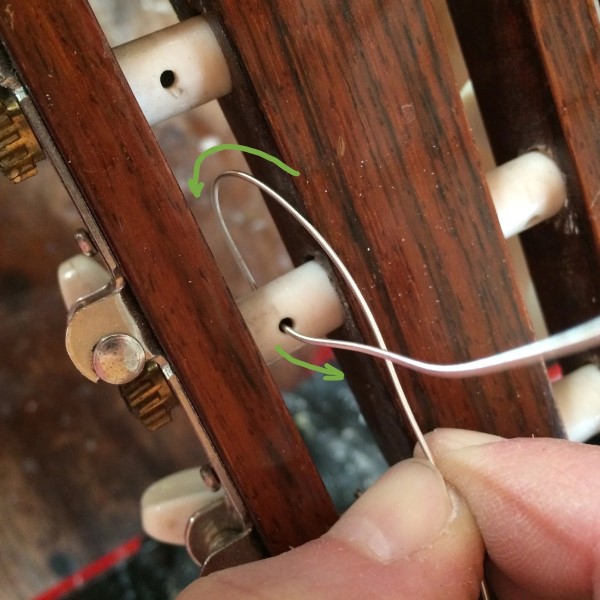
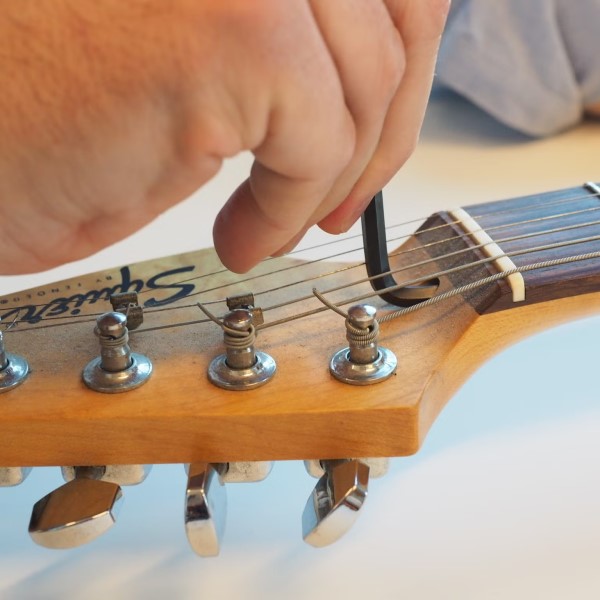
Then, bring the string up to the headstock. Pass it through the hole in the tuning post. This is where technique matters. You need the correct amount of slack. Pull the string back a few inches. This extra length allows for winding. Furthermore, ensure the string wraps neatly around the post. It should wind downwards. This increases the break angle over the nut. Consequently, it improves sustain and tuning. Use your string winder to turn the peg. Keep tension on the string with your other hand. Guide the wrap so it sits under the previous one. This locks the string in place. Therefore, it will not slip.
Stretching and Tuning for Stability
How to string a guitar? Once all the strings are on, the work is not over. New strings are very stretchy. If you play immediately, you will go out of tune. Therefore, you must stretch them manually. Start by tuning the guitar to pitch. Do not over-tighten. Just get it close. Then, grab a string gently. Pull it up away from the fretboard. Do this along the entire length of the string. Be firm but do not break it. You will hear the pitch drop. Consequently, the string has stretched. Retune the string to pitch. Then, stretch it again. Repeat this process several times.
Do it for all six strings. You will notice the string holds its tune better. Additionally, you can use the “tug of war” method. Hold the string at the first and last frets. Tug it sideways gently. This helps settle the string into the nut and bridge. Furthermore, check the tuning pegs. Ensure they are not loose. Sometimes, the hardware needs tightening. A stable guitar is a joy to play. You will not have to stop playing to tune constantly. This step is often skipped by beginners. However, it is the secret to a professional setup. Take the time to do it right. Your ears will thank you.
The Impact on Your Sound in 2026
Why is this skill so relevant in 2026? The music industry continues to evolve. Production standards are higher than ever. Listeners are accustomed to high-definition audio. Therefore, your tone must be pristine. A fresh set of strings cuts through the mix. Whether you are recording at home or playing live, clarity is key. Old, dead strings sound muddy. They lack the harmonic richness needed for modern recordings. Furthermore, the psychological effect is significant. Playing a freshly strung guitar feels inspiring.
It responds to your touch better. Bends are easier. Vibrato is smoother. Consequently, you play with more confidence. This confidence translates into better performances. Technology has changed many aspects of music. Amps and effects are digital and advanced. Yet, the source of the sound remains analog. It is the vibration of the string. If the source is compromised, no amount of processing can fix it. Therefore, how to string a guitar remains a timeless skill. It is the foundation of good tone. By mastering this, you ensure your music always sounds its best. You respect your instrument and your audience.
Conclusion
In summary, learning how to string a guitar is essential for every musician. It preserves the life of your instrument and enhances your tone. We have covered the signs of wear and the tools you need. Furthermore, we discussed the removal and installation process. Cleaning the fretboard and stretching the strings are also vital steps. By following this guide, you ensure your guitar sounds great in 2026 and beyond. Take pride in your gear. Regular maintenance leads to better music. So, pick up that new pack of strings and start practicing today.