Introduction: Understanding the Vernier Caliper
The vernier caliper is an essential tool in both engineering and DIY projects. With its ability to measure internal and external dimensions with high precision, it is favored by engineers, machinists, and hobbyists alike. In this article, we will explore how to read vernier caliper, breaking down the process step by step. Understanding how to use this tool effectively can significantly enhance your measuring capabilities, whether you are a seasoned professional or a beginner enthusiast.
The Anatomy of a Vernier Caliper
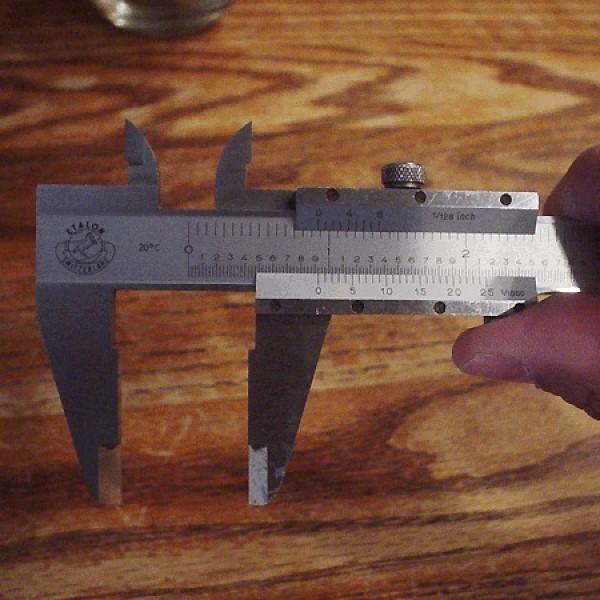
1. Overview of Components
Main Scale
- Calibration Overview: The main scale of a vernier caliper is usually marked in either millimeters (mm) or inches. This calibration provides a straightforward reference for users, making it easy to read measurements at a glance.
- Direct Measurements: Because the main scale is clearly marked, it allows users to measure larger objects directly without needing any additional calculations. This feature simplifies the measuring process, making it efficient for quick tasks.
- Ease of Use: For most users, measuring with the main scale is intuitive. Simply align the object with the scale to get an immediate reading. This accessibility makes the vernier caliper a favored tool for both beginners and experienced users.
Vernier Scale
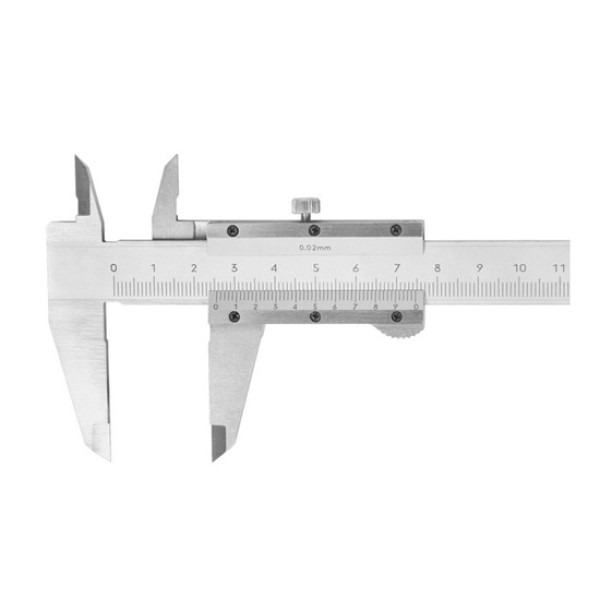
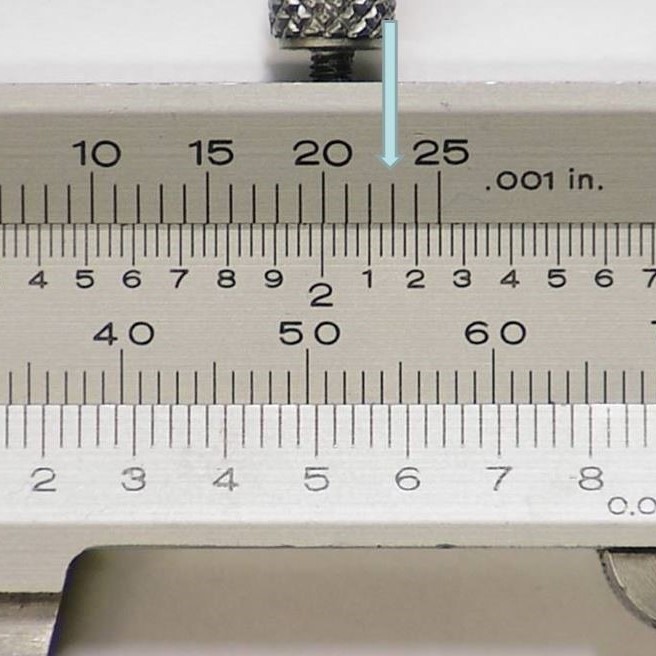
- Extra Precision: The vernier scale is a unique feature of the caliper that allows for precise measurements beyond what the main scale can provide. It is typically a sliding scale that enhances the accuracy of measurements, enabling users to determine smaller increments.
- Calibration in Multiple Units: Depending on the model of the caliper, the vernier scale may also be marked in either metric or imperial units. This adaptability allows users to choose the most suitable measurement system for their specific needs.
- Understanding the Scale: The vernier scale usually features fewer divisions than the main scale, which means each small division on the vernier correlates with a fraction of a unit on the main scale. This correlation is crucial for achieving detailed measurements.
- Reading Accuracy: To obtain a measurement using the vernier scale, users must look for the line on the vernier that aligns perfectly with a line on the main scale. This critical observation enables enhanced precision, essential for fine measurements.
Jaws
- Two Types of Jaws: The structure of a vernier caliper includes two sets of jaws. The larger set is designed for measuring external dimensions, such as the width or diameter of an object, while the smaller set is intended for measuring internal dimensions, such as the width of a hole or groove.
- Versatility in Measurements: This dual-jaw feature enhances the versatility of the caliper, making it suitable for a diverse range of applications. Users can easily switch between measuring external and internal dimensions without requiring separate tools.
- Adjustable Grip: The jaws can be smoothly manipulated to secure items at various gripping angles, allowing users to measure objects of different sizes effectively. The ability to grip firmly but gently is essential for obtaining accurate measurements.
- Ease of Use: The positioning of the jaws allows for intuitive handling. Users can quickly assess objects by bringing the jaws together to obtain measurements, ensuring a user-friendly experience regardless of their skill level.
Depth Probe
- Functional Design: The depth probe is an additional tool integrated into the vernier caliper, specifically designed to measure the depth of holes or recesses in materials. This feature adds significant functionality to the device.
- Depth Measurement Capability: To measure depth, the user can extend the probe into the hole or recess until it touches the bottom. The reading can then be taken from the main scale combined with the vernier scale for precision.
- Applications in Various Fields: The depth probe makes the vernier caliper suitable for multiple applications—ranging from woodworking to metalworking and engineering. This versatility enhances its use in tasks that require detailed measurements of depth.
-
Accurate Readings: Like measuring with the jaws, using the depth probe also requires observation of both the main scale and the vernier scale. The dual-readout method ensures that users achieve accuracy in their measurements, even in deeper applications.
2. Functionality of Each Component
- How the Scales Work Together: The main scale provides a basic reading, while the vernier scale offers divisions that help identify fractions of the main unit—making it possible to achieve more precise measurements.
- Movement Mechanics: The sliding mechanism allows the user to move the vernier scale relative to the main scale, providing the ability to take measurements of different dimensions easily.
How to Read a Vernier Caliper: Step-by-Step Guide
Understanding how to read vernier caliper requires some practice. Here’s a simplified, step-by-step process to follow when using your caliper:
Zeroing the Caliper
- Checking Calibration: Before you begin measuring, ensure that the caliper reads zero when the jaws are fully closed. If it does not, adjust the zero setting or calibrate as needed.
- Understanding Errors: A misalignment at zero means that all measurements will be off by the same amount, leading to inaccurate results. Always check this step!
Measuring the Object
- Positioning: Open the jaws of the caliper and place the object you wish to measure between them. Make sure the jaws are securely gripping the object without applying excessive pressure.
- Choosing Internal or External Measurements: Use the larger jaws for external measurements. For internal measurements, switch to the smaller jaws designed for this purpose.
Reading the Measurement
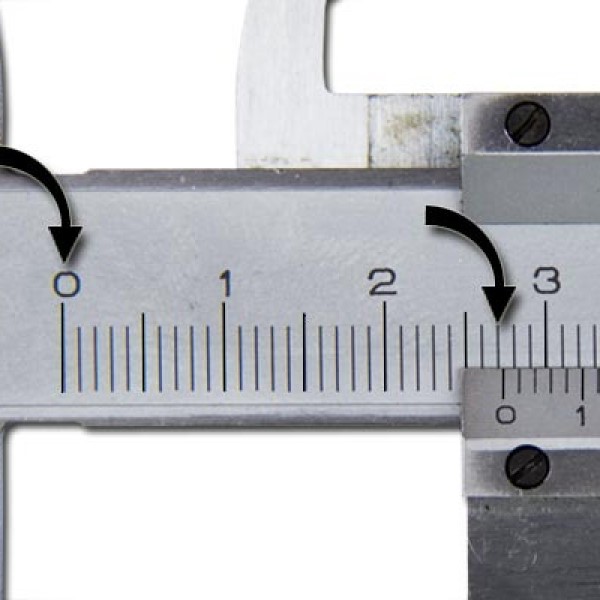
- Identifying the Main Scale Reading: Start by reading the measurement on the main scale. Find the line just before the edge of the movable part. This gives you the primary measurement in millimeters or inches.
- Checking the Vernier Scale: Next, look at the vernier scale. Identify which line lines up precisely with a line on the main scale. This will indicate the additional measurement.
- Calculating Total Measurement: Combine the main scale reading with the vernier scale reading to obtain the final measurement. For example, if the main scale reads “10 mm” and the vernier scale shows “0.2 mm,” your total measurement is “10.2 mm.”
Tips for Accurate Measurement with Vernier Caliper
To achieve accurate measurements consistently, here are some helpful tips.
1. Hold the Caliper Properly
- Using Both Hands: When measuring, hold the caliper with both hands to maintain stability. This practice can prevent misalignments and angles that alter readings.
- Avoiding Parallax Errors: Ensure your eyes are directly in line with the measurement markings to avoid parallax errors—incorrect readings caused by viewing the scale from an angle.
2. Consistent Pressure
- Applying Even Pressure: Grip the object gently—the pressure should be just sufficient to hold it in place without compressing it. Excess pressure can lead to inaccurate readings.
- Using Caliper’s Locking Mechanism: If your caliper has a locking mechanism, engage it after taking a reading to keep the measurement secure for recording.
3. Regular Maintenance
- Keeping Caliper Clean: Regularly clean the caliper with a soft cloth to remove dust and debris that can interfere with measurement accuracy.
- Storing Properly: Store the caliper in a protective case to prevent damage or misalignment. Keeping it in a safe location prolongs its life.
Common Mistakes When Using a Vernier Caliper
Even with the best intentions, mistakes can happen. Here are some common errors to watch out for:
1. Not Zeroing the Caliper
- Significance of Calibration: Failing to zero the caliper can lead to measurement errors. This basic step is critical in ensuring accuracy throughout your measurements.
2. Misreading the Vernier Scale
- Check for Line Alignment: One of the most frequent errors is misreading the vernier scale. Ensure that you are correctly identifying which line corresponds with the marking on the main scale.
3. Inconsistent Measurement Techniques
- Changing Techniques Mid-Use: Avoid switching from measuring methods without recalibrating. Consistency in technique yields better results.
4. Tightening Jaws Too Much
- Avoiding Damage: Pressing the jaws too tightly can lead to misreadings or even damage the caliper. Always apply just enough pressure to secure the object without affecting its size.
FAQs About Using a Vernier Caliper
How do you read a vernier caliper for beginners?
To read a vernier caliper, first check that it is zeroed. Measure the object, noting the main scale reading and the aligning mark on the vernier scale, and sum them for the final measurement.
How to read 0.05 vernier?
For a vernier with 0.05 increments, look for the line on the vernier scale that matches the main scale. Count the smallest divisions to the first matching line for precision.
What is the value of 1 MSD?
One main scale division (MSD) typically equals the smallest division on the main scale. This is the reference for measuring the principal value before adding the more precise vernier scale value.
What are some common vernier caliper mistakes?
Common mistakes include misreading the alignment of the vernier scale, forgetting to zero the caliper before measuring, and applying excessive pressure when grasping the object.
Conclusion: Mastering the Vernier Caliper
In conclusion, learning how to read vernier caliper effectively is an invaluable skill for engineers, craftsmen, hobbyists, and anyone needing precision measurements. Starting with understanding the components and following the step-by-step guide can demystify the process. With practice, anyone can master the vernier caliper, avoiding common mistakes and enhancing their measuring skills. As you become proficient, precision will improve, making your projects more successful and efficient. Consider this tool as an essential part of your measurement toolkit, and enjoy the accuracy it brings to your work!