The Art of Origami Deer: An Introduction
Origami, the traditional Japanese art of paper folding, is a captivating practice that engages people of all ages and backgrounds. Among the many delightful forms that this art can take, origami deer stand out due to their elegance and symbolic significance. Creating an origami deer not only enhances one’s crafting skills but also serves as a bridge to connect with a rich tradition that spans centuries. In this comprehensive article, we will explore the history, cultural significance, techniques, and modern applications of origami deer, offering both novice and experienced crafters a chance to deepen their appreciation for this timeless art form.
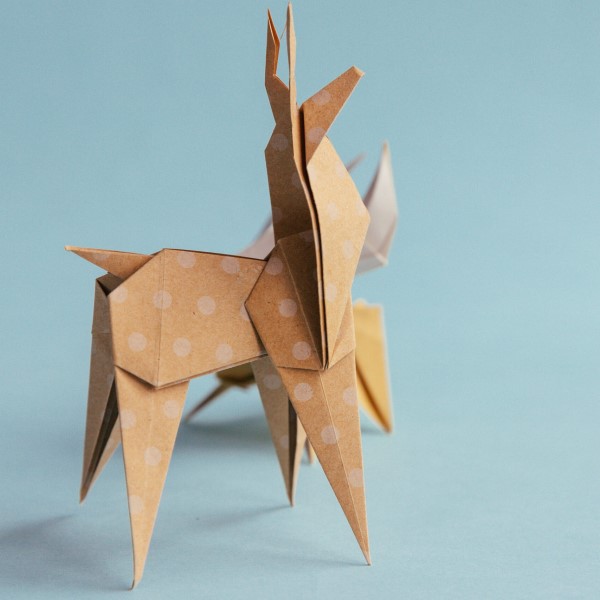
The art of origami may seem simple at first glance, but it often involves intricate designs and detailed folding techniques. This complexity is what makes origami engaging and rewarding. To begin crafting your own origami deer, you need to start with the right materials. Traditional origami paper is lightweight, available in various colors and patterns, and designed to hold creases well, making it an excellent choice for creating intricate models. However, it’s essential to remember that you can use any type of paper—be it plain, colored, or even recycled materials—so long as it can be folded easily.
The Historical Background of Origami
To fully appreciate origami deer, we should first explore the rich history of origami itself. The origins of origami can be traced back to ancient China shortly after the invention of paper, which dates back to around 105 CE. Although paper was created in China, the art of folding it into decorative forms quickly transferred to Japan, where it evolved and transformed into a practice beloved by many.
In Japan, the term “origami” derives from the words “oru,” meaning “to fold,” and “kami,” meaning “paper.” The practice of folding paper became ingrained in Japanese culture, particularly during the Heian period (794–1185), when aristocrats began to appreciate paper folding not only as a craft but also as a means of artistic expression. By the Edo period (1603–1868), origami had become accessible to the general public, leading to the development of various styles and techniques.
Cultural Significance of the Deer in Origami
While the practice of origami has deep roots in history, its symbolism adds another layer of significance, particularly when it comes to the origami deer. In Japanese culture, deer hold a revered status and are often associated with spirituality, gentleness, and the natural world. According to Shinto beliefs, deer are considered messengers of the gods. This connection between deer and spirituality makes folding an origami deer a meaningful activity, as it reflects respect for nature and a desire to connect with the divine.
In addition to their Japanese context, the symbolism of deer extends to other cultures as well. For instance, in Native American traditions, deer symbolize intuition, compassion, and love. Consequently, making an origami deer not only celebrates natural beauty but also embodies the gentle qualities often associated with this majestic creature. The art of folding origami deer can thus serve as a quiet meditation to reflect on the delicate balance between humanity and nature.
Basic Techniques for Making an Origami Deer
Creating an origami deer may seem daunting, but with a few basic techniques and practice, anyone can master this art. Here is a step-by-step guide to assist you in creating your origami deer:
Select Your Paper
- Choosing the Right Size: Start by selecting a square piece of paper, as this is the essential shape for origami. The size can vary depending on the complexity of the design and the final size you want for your origami deer.
- Exploring Traditional Options: Traditional origami paper is often colorful and features various patterns, such as florals or geometric designs. This variety allows you to express your creativity through color and style.
- Alternative Materials: Don’t hesitate to use other types of paper. Scrap paper, leftover sheets, or even colored newspaper can work well. These alternatives can create unique textures and appearances in your finished deer.
- Considering Paper Thickness: Keep in mind the thickness of the paper; thinner paper folds more easily, while thicker paper may require more force. The paper’s weight can significantly influence the ease of folding and the final look of your origami.
Starting the Fold
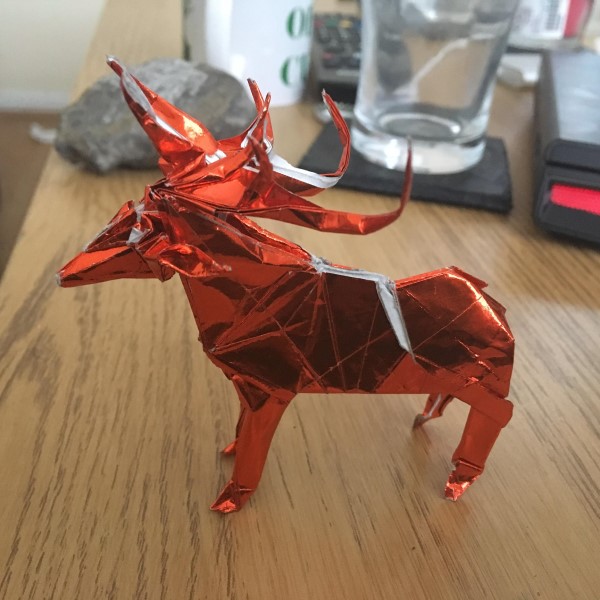
- Establishing the Base: The first step in your origami project is to create the basic base folds. This is commonly known as the “bird base” or “preliminary base.”
- Importance of the Base: This base is crucial because it serves as the foundation upon which all subsequent folds will build. Ensuring that this step is done accurately is vital for the success of the overall design.
- Executing Basic Folds: Follow fundamental techniques, such as valley folds and mountain folds, when creating the bird base. These skills will be essential as you progress to more complex shapes.
- Visual Learning: If you encounter difficulties, consider watching video tutorials or referring to diagrams that demonstrate the folding sequence clearly. This visual aid can enhance your understanding of the folding technique.
Shaping the Deer
- Transitioning from Base to Design: After you have established the base, it is time to transform it into the shape of a deer. Begin by visualizing the structure and proportions of the deer you wish to create.
- Folding the Body: Carefully fold the sections of the base to form the deer’s body. This usually involves pulling and tucking parts of the paper to create volume and dimension.
- Creating Distinct Features: Move on to crafting key features such as the head, legs, and antlers. Pay attention to detail; each fold should contribute to the overall likeness of the deer.
- Using Guidance: Utilize online tutorials or origami diagrams to assist you in folding these specific features accurately. Such resources often provide tips about angles and proportions.
Detailing the Features
- Refining Initial Folds: Once the basic deer shape is complete, it’s time to focus on detailing the features for a more realistic representation. Examine your creation to see where adjustments can enhance its appearance.
- Adjusting Size and Shape: You might want to modify the size of the ears or legs to match the desired proportions better. This step is critical for adding character to your origami deer.
- Adding Textures: Consider creating additional folds to suggest fur texture or adding curves to the body to make the deer appear more lifelike.
- Enhancing Features: Spend time concentrating on specific details, such as the face and hooves, ensuring they are aesthetically pleasing and proportional to the overall design.
Finishing Touches
- Completing the Origami Deer: To finish your origami deer, think about adding small yet impactful details that can elevate your work.
- Drawing Details: Using a fine marker or pen, you can draw the eyes, nostrils, or other facial features to give your deer personality. This is a great way to bring your creation to life.
- Embellishments for Extra Flair: For a creative twist, think about adding small embellishments such as glitter, stickers, or colored markers. These enhancements can provide uniqueness and additional visual interest to your deer.
- Displaying Your Work: Once you’ve finished adding details, consider how you would like to display your origami deer. It could be a centerpiece, a gift, or simply a decorative piece for your home.
Advanced Techniques for Enthusiasts
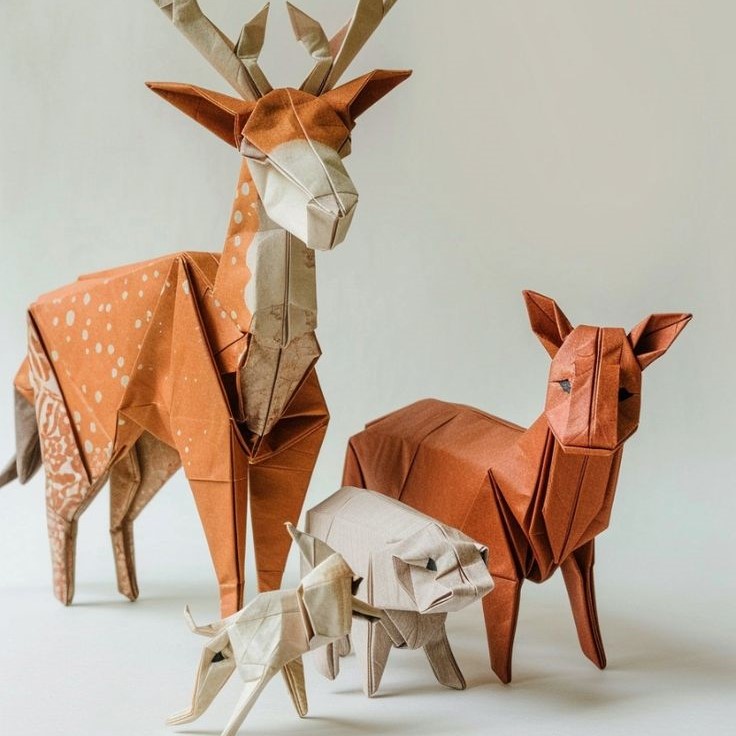
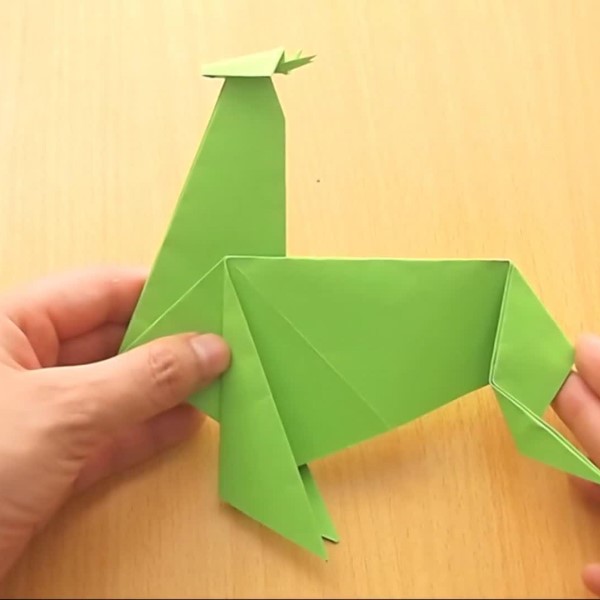
For those already familiar with the basics of origami, creating more complex models presents an exciting challenge. Advanced origami deer designs can be intricate and include realistic features such as large antlers or more defined limbs.
One of the exciting aspects of advanced origami is the opportunity to create dynamic postures. You can manipulate the folds to give your deer a sense of movement, allowing it to appear as if it is leaping or standing proudly. Online communities and resources offer a wealth of tutorials for advanced models, which often include step-by-step videos and detailed diagrams.
The Joy of Group Crafting and Community Engagement
Crafting origami becomes even more exciting when shared with others. Organizing a community origami workshop can be a wonderful way to connect with fellow enthusiasts and introduce newcomers to the art of paper folding. By teaching and learning together, participants can discover new techniques, share ideas, and foster a sense of belonging.
During these gatherings, participants can engage with one another, discussing their creative inspirations and approaches to folding. This collaborative environment not only enhances individual skills but also strengthens community ties through a shared appreciation of art. Hosting virtual workshops has also become increasingly popular, allowing people from different regions to come together and share their love for origami.
The Modern Resurgence of Origami
In recent years, interest in origami has experienced a resurgence, partly fueled by social media advocacy and online resource sharing. Platforms like Instagram and Pinterest showcase the creativity and versatility of origami, inspiring both seasoned artists and beginners. Through these channels, artists can share their designs and connect with others, fostering a global community dedicated to paper folding.
Furthermore, educational institutions have begun to recognize the pedagogical value of origami. Incorporating origami into math and art curricula helps students develop a better understanding of geometry, spatial reasoning, and fine motor skills. This commitment to folds and paper also cultivates creativity and innovation among students, who are encouraged to experiment with their designs.
Conclusion: The Lasting Impact of Origami Deer
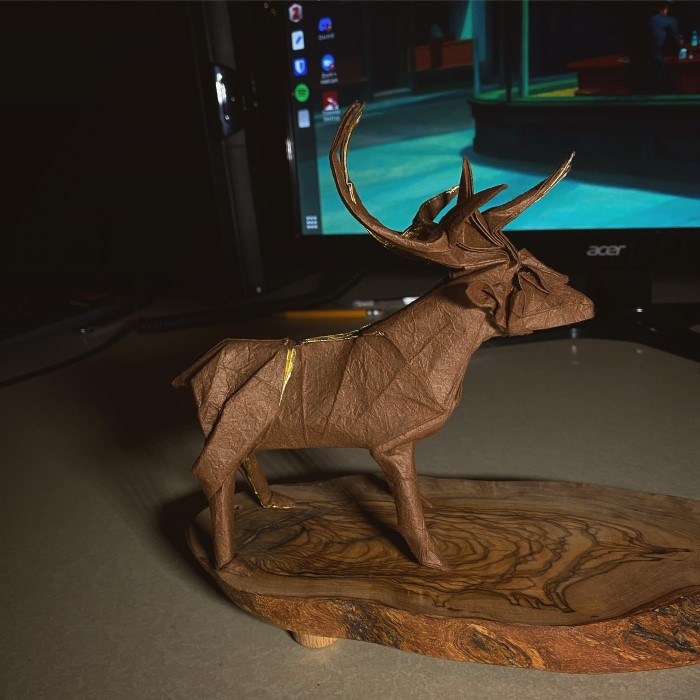
In conclusion, origami deer transcend mere paper creations; they encapsulate cultural history and artistic expression. Through engaging in this craft, you open the door to a world of creativity while respecting tradition and cultural symbolism. The act of folding an origami deer invites connection to nature and serves as a reminder of the delicate balance we share with all living beings.
As you embark on your journey of learning to fold, remember that the beauty of origami lies not just in the finished product but also in the experience of creation itself. Whether you are a beginner eager to explore the basic folds or an advanced artist ready to tackle complex designs, origami offers limitless opportunities for expression.
So gather your paper, embrace your creativity, and start crafting your origami deer today! Through this art form, you will build connections to a meaningful tradition while also discovering the joy that comes with creating something beautiful. Engage with your community, share your creations, and continue to explore the amazing world of origami, one fold at a time.