Introduction
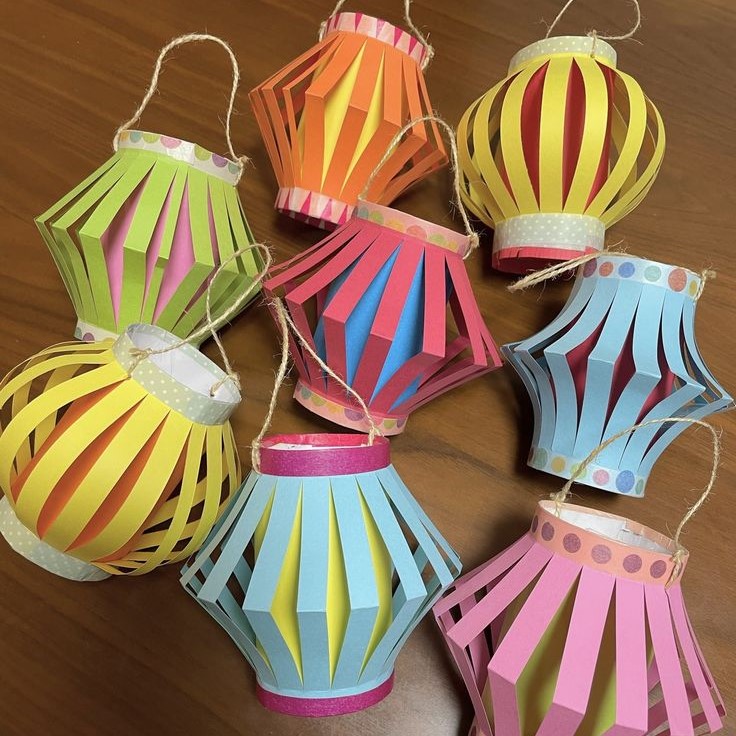
Crafting is a wonderful way to engage with family while promoting creativity and sustainability. One popular option for family fun is the Chinese lantern craft. These beautiful lanterns allow families to express their artistic sides while teaching valuable lessons about recycling and using eco-friendly materials.
As we become increasingly mindful of the environment, integrating sustainable practices into our crafting activities is essential. Fortunately, Chinese lantern craft lend themselves beautifully to eco-friendly projects. In this article, we’ll explore various eco-friendly Chinese lantern craft ideas perfect for families. We will discuss materials needed, step-by-step instructions, and creative design inspirations that will make your crafting experience fun and meaningful.
The Cultural Significance of Chinese Lanterns
1. Historical Importance
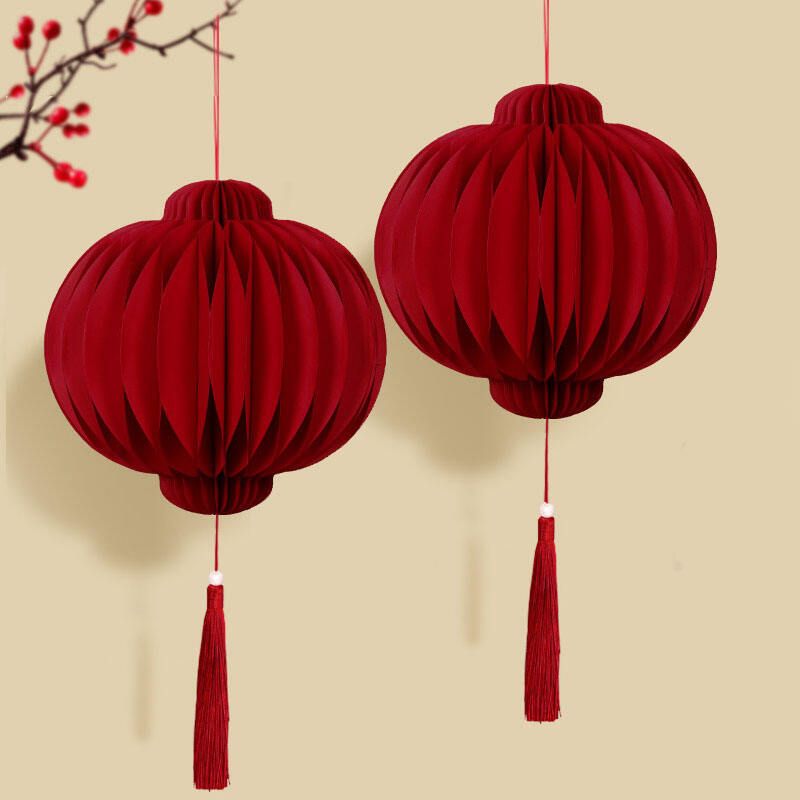
Chinese lanterns have a rich history, dating back over 2,000 years. Initially used for practical purposes, such as providing light, these lanterns have evolved into symbols of celebration and festivity. Lantern festivals are integral to Chinese culture, often held during the Lunar New Year and the Mid-Autumn Festival, where these beautiful lights illuminate the night sky.
2. Modern Interpretations
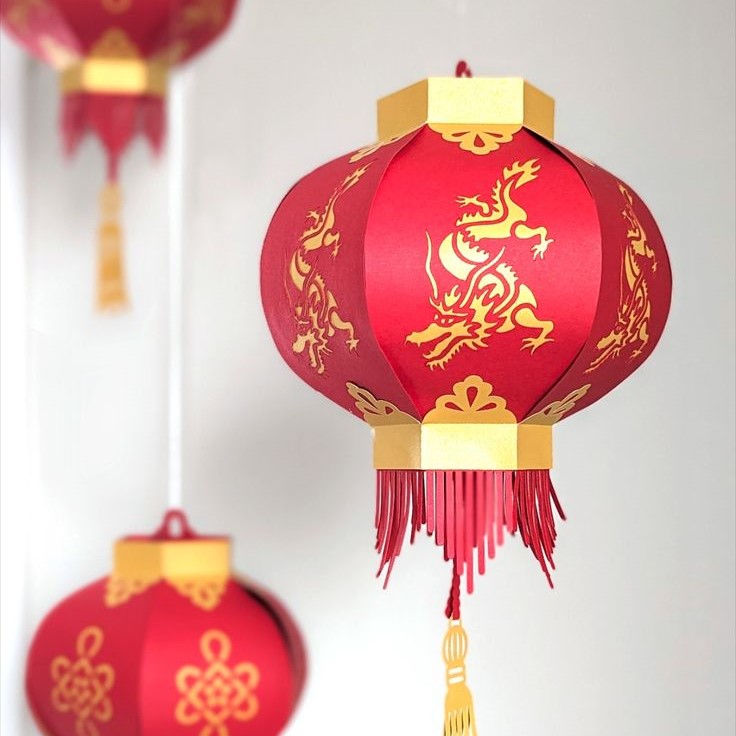
Today, Chinese lanterns come in various sizes, shapes, and styles, allowing for creative freedom. While maintaining traditional designs, contemporary lanterns often incorporate innovative materials and techniques. This modernization provides a unique opportunity for families to embrace cultural heritage while crafting their own versions.
3. A Celebration of Community
Crafting Chinese lanterns can be a communal activity. Families can create lanterns together, sharing stories and teaching children about their rich history and significance. This collective experience strengthens family bonds and fosters a deeper connection to cultural traditions.
Eco-Friendly Materials for Lantern Crafts
1. Recycled Paper and Cardboard
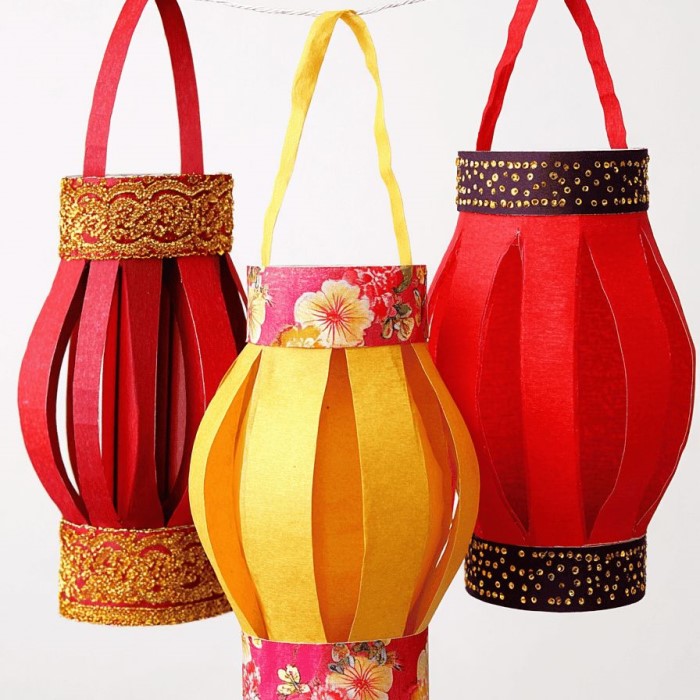
Using recycled paper and cardboard is an excellent way to reduce waste while crafting. Old magazines, newspapers, and packaging materials can be repurposed to create stunning lantern designs. Engaging children in the process of collecting these materials teaches them about sustainability.
2. Natural Fibers
For those who want to incorporate natural elements, consider using fibers such as bamboo or cotton. Bamboo can be used to create sturdy frames for lanterns, while cotton or jute can serve as decorative elements. These materials add an organic touch to your lanterns and are biodegradable.
3. Non-Toxic Paints and Dyes
When decorating your lanterns, opt for non-toxic and eco-friendly paints or natural dyes. Many brands offer water-based options that are safe for both children and the environment. Using safe products contributes to a healthier crafting process and minimizes exposure to harmful chemicals.
Step-by-Step Guide to Creating Eco-Friendly Chinese Lanterns
Step 1: Gather Your Materials
Start by gathering all your materials, including recycled paper, any natural fibers, eco-friendly paints, and tools like scissors, glue, and string. Ensuring that you have everything on hand will make the crafting process smoother and more enjoyable.
Step 2: Plan Your Design
Before diving into the creation process, sketch out your lantern design. Decide on your desired shape—traditional lanterns can be round, square, or even animal-shaped. This plan will help guide your crafting decisions and make the construction more straightforward.
Step 3: Prepare Your Base
If you’re using recycled cardboard, cut it into the desired shape for your lantern base. Ensure the sides are even to allow for better construction. For paper lanterns, consider making a cylinder or box shape that can hold its form.
Step 4: Create Handles and Add Structural Support
If your lantern design requires handles or structural support, incorporate these elements using strips of cardboard, bamboo, or natural fibers. Secure these additions with adhesive and ensure that everything holds together firmly.
Step 5: Decorate with Eco-Friendly Paint
Use your non-toxic paints to decorate the exterior of your lantern. Encourage kids to express their creativity, whether by painting designs, using stamps, or layering different colors. Remember to allow each layer to dry before adding more decoration.
Step 6: Assemble and Secure
Assemble your lantern by connecting all the parts, ensuring it holds its shape. Use glue generously to ensure that everything stays in place. If you’re making a traditional lantern, you may want to include slats or openings in the design for airflow when adding lights.
Step 7: Adding Lights
Depending on your lantern design, you can include LED tea lights or small solar lights for illumination. Avoid using real candles, especially in paper lanterns, as this poses a fire hazard. Position the light source strategically for a beautiful glow.
Step 8: Reflect and Display
Once your lanterns are complete, take a moment to reflect on the crafting process. Discuss what everyone learned while creating the lanterns. Finally, hang or display your creations in a place where they can be admired, creating an inspiring atmosphere.
Unique Themes and Variations
1. Themed Lanterns
Adding themes to your lanterns can enhance the crafting experience. For instance, creating lanterns for specific occasions such as holidays—like Halloween jack-o’-lanterns or Christmas-themed designs—can bring an extra level of excitement.
2. Personalized Lanterns
Encourage family members to personalize their lanterns with names, meaningful quotes, or drawings. Personalization adds a special touch, making each creation unique and memorable.
3. Community Lantern Events
Consider organizing a community lantern-making event with friends, family, or neighbors. Collaborative crafting fosters a collective spirit, allowing participants to share ideas and techniques while creating memorable pieces together.
Environmental Awareness and Benefits
Incorporating eco-friendly practices into Chinese lantern crafting not only benefits the environment but also offers numerous advantages:
1. Teaching Sustainability
Using recycled materials promotes an understanding of sustainability and environmental consciousness. Children learn valuable lessons about reducing waste and the importance of reusing resources, which can influence their future behavior regarding the environment.
2. Strengthening Community Bonds
Creating lanterns as a group promotes community spirit. By collaborating and sharing ideas, families can build connections with neighbors and friends, fostering a sense of belonging and camaraderie.
3. Preserving Cultural Heritage
Connecting with Ancestral Roots
Engaging in traditional crafts, such as Chinese lantern making, allows families to connect with their ancestral roots. By recreating time-honored techniques and designs, participants gain a greater understanding of their cultural history. This connection fosters a deeper appreciation for the customs and practices passed down through generations.
Educating Future Generations
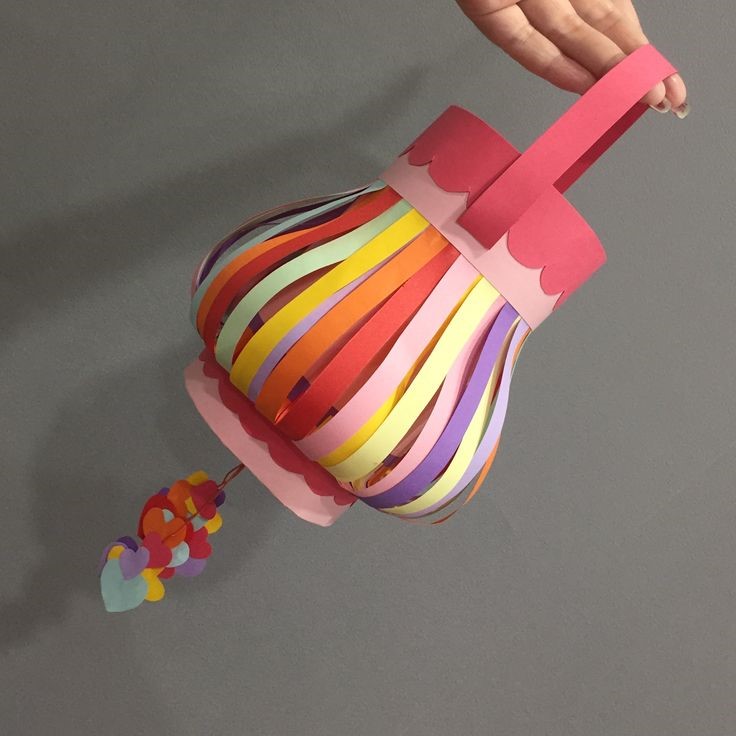
When families participate in activities like lantern making, they impart knowledge about their cultural heritage to younger generations. Teaching children about the significance behind these crafts helps to preserve traditions and encourages a sense of identity. Education around cultural practices cultivates pride in one’s heritage and reinforces the importance of preserving these customs for future generations.
Celebrating Cultural Significance
Celebrating traditional practices offers an opportunity to honor the cultural significance and symbolism behind crafts like Chinese lanterns. Lanterns often represent hope, good fortune, and community during festivals and celebrations. By participating in related crafting traditions, families honor the values these symbols convey and maintain a sense of continuity within their culture.
Fostering Intergenerational Bonding
Creating traditional crafts together fosters bonding across generations. Family members can share stories associated with the chinese lantern craft and its historical importance, strengthening relationships while they create. This collaborative effort nurtures connections between grandparents, parents, and children, promoting a shared appreciation of cultural heritage.
Incorporating Modern Eco-Friendly Practices
Blending traditional crafts with modern eco-friendly practices brings sustainability into the conversation. Families can choose to use recycled materials and non-toxic paints while making lanterns, allowing them to engage in responsible crafting. This practice connects cultural heritage with contemporary values, promoting environmental consciousness as a key aspect of preserving traditions.
Promoting Cultural Diversity
Crafting traditional items like Chinese lanterns encourages awareness and appreciation of cultural diversity. By inviting others to participate in the process, families can foster broader understanding and respect for different cultures. This engagement serves as a reminder of the rich tapestry of global traditions and promotes inclusivity and acceptance.
Creating Lasting Memories
Activities that celebrate cultural heritage create lasting memories for families. Crafting traditional items fosters a sense of accomplishment and togetherness, making each experience meaningful. These memories help reinforce the cultural significance of the craft and inspire future participation in similar activities.
Inspiring Creativity and Expression
Traditional crafts provide a platform for creativity and self-expression. As families make Chinese lanterns, they can explore unique designs and personal touches that reflect their artistic vision. This creative exploration deepens their relationship with their heritage while allowing room for individuality and innovation.
Documenting Cultural Practices
Engaging in traditional crafts also presents an opportunity to document and share cultural practices. Families can take pictures of their creations, write about the process, and even record personal stories related to the craft. Creating a tangible record enhances the family’s connection to their heritage and provides a resource for future generations to learn from and appreciate.
Frequently Asked Questions
1. Are Perler beads discontinued?
No, Perler beads are still widely available and remain popular among crafters. You can find them at craft stores and online in various colors and styles.
2. What is the difference between fuse beads and Perler beads?
Fuse beads are a general term that encompasses various brands, including Perler beads. While the terms are often used interchangeably, Perler is among the most recognized brands.
3. What is a Perler bead kit?
A Perler bead kit is a collection that includes beads, pegboards, and instructions for crafting specific projects. These kits make it easy for beginners to start crafting without needing to purchase individual components.
4. Can I do Perler beads without an iron?
Yes, alternative heat sources like heat guns or toaster ovens can be used to fuse beads. However, exercise caution and monitor the melting process closely.
5. Are fuse beads safe for kids?
Fuse beads are generally safe for kids; however, adult supervision is advised during the melting process to ensure safety.
Conclusion: Create and Celebrate with Eco-Friendly Lanterns
Incorporating Chinese lantern craft into your family activities not only fosters creativity but also promotes sustainability in a fun and interactive way. By using eco-friendly materials and engaging in meaningful projects, families can create beautiful lanterns while teaching values of responsibility and respect for the environment.
As you explore this exciting chinese lantern craft, embrace the opportunity to personalize your lanterns and celebrate cultural heritage. Gather materials, involve family members, and enjoy the rewarding process of crafting together. Happy crafting, and may your eco-friendly lanterns illuminate your home and heart!