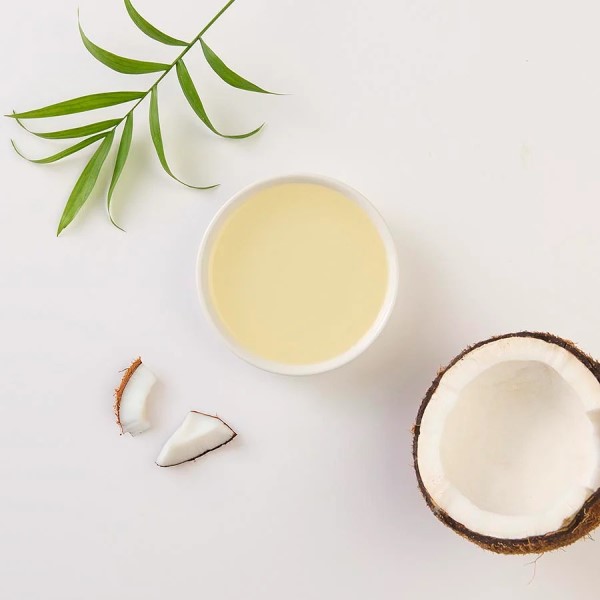
Introduction: The Rise of DIY Soap Making
The growing trend of DIY projects has led many individuals to explore the world of soap making. A popular choice among enthusiasts is coconut oil for soap making. This ingredient offers numerous benefits, transforming the crafting process and enhancing the quality of the final product. In this blog, we will explore what coconut oil brings to soap making, its advantages, and how to incorporate it into your DIY routine. Whether you’re a beginner or an experienced soap maker, this guide will help elevate your soap crafting.
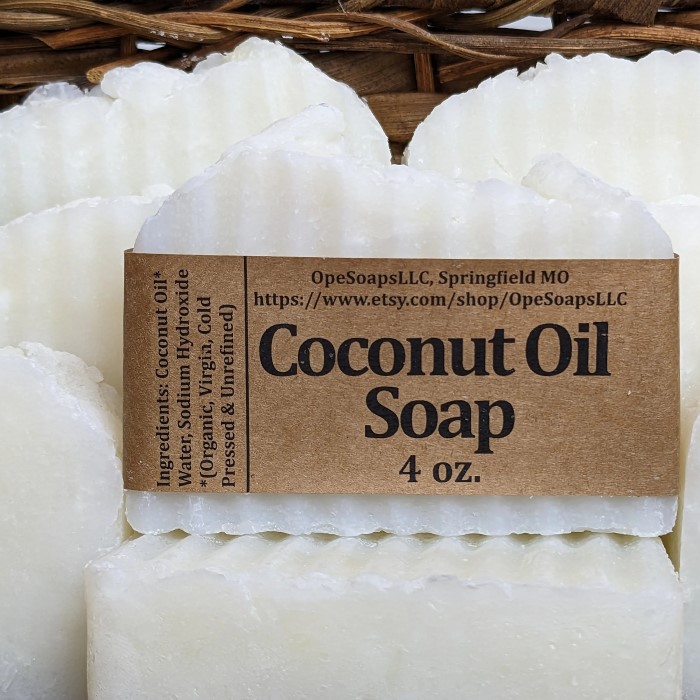
Introduction to Coconut Oil
Coconut oil is a key ingredient in soap making. It offers unique benefits for soaps, such as moisturizing and creating rich lather. Understanding coconut oil and its types helps you use it effectively.
What is coconut oil?
Coconut oil is a natural fat extracted from coconut meat. It is rich in fatty acids, vitamins, and antioxidants. These properties make it valuable in skincare and soap making. Coconut oil is solid at room temperature and liquefies when heated. Its composition includes lauric acid, which provides excellent cleansing and lathering traits in soap.
Types of coconut oil used in soap making
There are three main types of coconut oil used in soap making:
- Unrefined (Virgin) Coconut Oil: This is made from fresh coconut meat and retains natural nutrients. It has a mild coconut scent and is high in beneficial compounds.
- Refined Coconut Oil: This oil undergoes processing to remove impurities. It has a neutral scent and is ideal for scent-sensitive soap recipes.
- Fractionated Coconut Oil: This is a liquid form of coconut oil where certain fatty acids are removed. It enhances moisturizing properties and is a better option for liquid or soft soap recipes.
Using the right type of coconut oil ensures the desired quality and performance of your soap. Each type has unique characteristics suitable for various soap formulas.
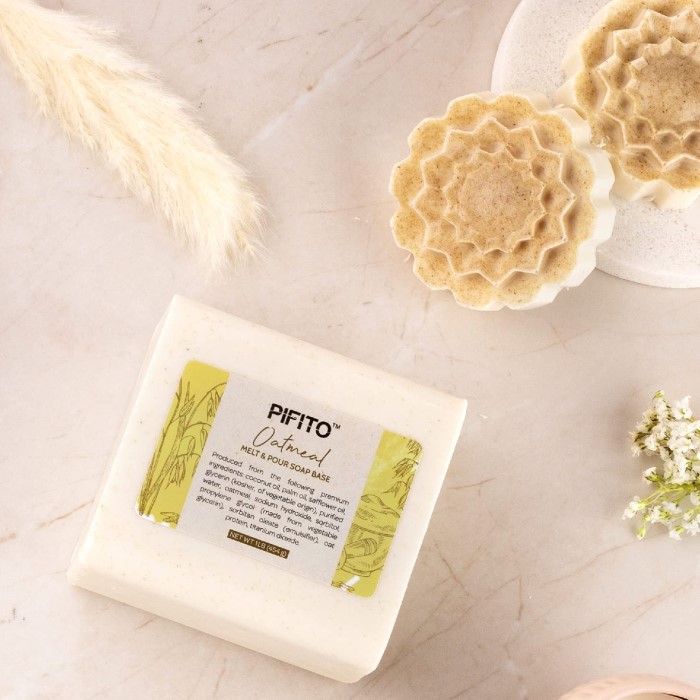
Benefits of Using Coconut Oil in Soap
Coconut oil is a game-changer in soap making. It provides numerous benefits that enhance soap’s quality and effectiveness. By using coconut oil for soap making, you can achieve soaps that are nourishing, cleansing, and protective for the skin. Let’s explore these benefits in detail.
Moisturizing Properties
Coconut oil is rich in fatty acids, such as lauric acid and caprylic acid. These components create a barrier on the skin, preventing moisture loss. Including coconut oil in soap helps keep skin hydrated, soft, and smooth. Unrefined coconut oil is especially effective, as it retains natural antioxidants like vitamin E. These nutrients nourish the skin while providing long-lasting hydration.
Cleansing and Lathering Effects
One of the most popular reasons for choosing coconut oil for soap making is its exceptional cleansing ability. The lauric acid in coconut oil efficiently removes dirt, excess oil, and impurities from the skin. Moreover, this oil creates a rich, creamy lather, making the soap luxurious and satisfying to use. Soaps made with coconut oil offer both functionality and indulgence.
Antibacterial and Antifungal Qualities
Coconut oil contains natural compounds that are antibacterial and antifungal. These properties make soaps more effective in cleansing the skin and preventing infections. Lauric acid and capric acid in coconut oil combat harmful microbes, contributing to healthier, clearer skin. This is why coconut oil is often used in soaps designed for sensitive or blemish-prone skin.
By including coconut oil in your soap recipes, you can craft bars that moisturize, cleanse deeply, and offer protection against harmful microorganisms. Its multifaceted benefits make it a must-have ingredient for soap makers.
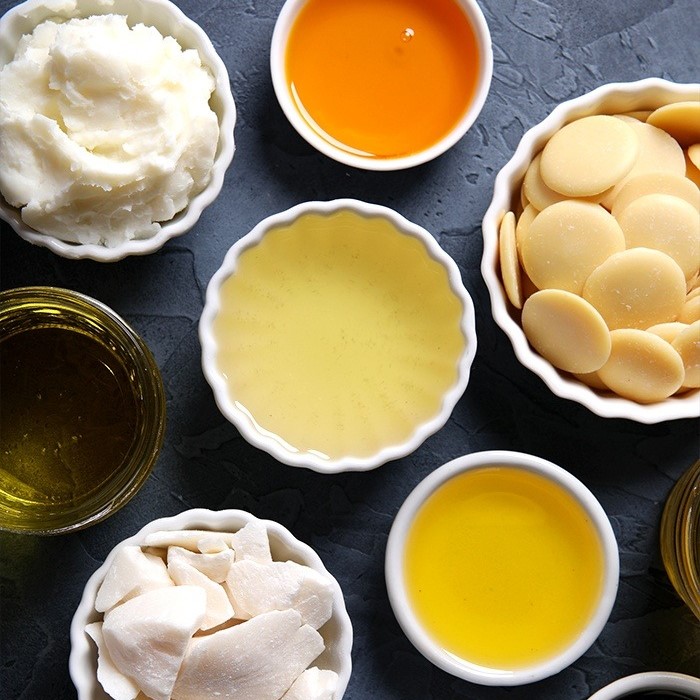
How Coconut Oil Enhances Soap Quality
Coconut oil is a key ingredient that significantly boosts soap quality. Its properties contribute to various aspects of soap’s performance, making it an excellent choice for soap makers. Let’s examine its impact on soap quality in detail.
Hardness and long-lasting bars
Coconut oil helps create hard and durable soap bars. This is due to the high levels of saturated fats, particularly lauric acid, present in the oil. Harder soaps last longer, making them cost-effective and more practical for everyday use. Soaps with coconut oil resist quick melting, prolonging their lifespan even in wet conditions.
Rich lather creation
One standout benefit of using coconut oil in soap is its ability to produce a rich, creamy lather. The high lauric acid content in coconut oil generates abundant bubbles, enhancing the user experience. This luxurious lather makes soaps feel indulgent and satisfies those looking for a cleansing yet pampering product. For soap makers, this lathering quality is a significant selling point.
Balancing other oils in soap formulas
Coconut oil acts as a balancing agent in soap formulations. While some oils, like olive oil, provide mildness and moisture, they may result in softer, less lathering soaps. Coconut oil counterbalances these traits, ensuring soaps are firmer, more cleansing, and have better lather. Combining coconut oil with other oils creates a harmonious formula with balanced properties.
By integrating coconut oil into soap recipes, you can achieve soap bars that are hard, richly lathering, and well-balanced. These traits elevate the overall quality and performance of soaps, making them more appealing to users. Remember, the type of coconut oil and its usage percentage will influence your final product’s quality.
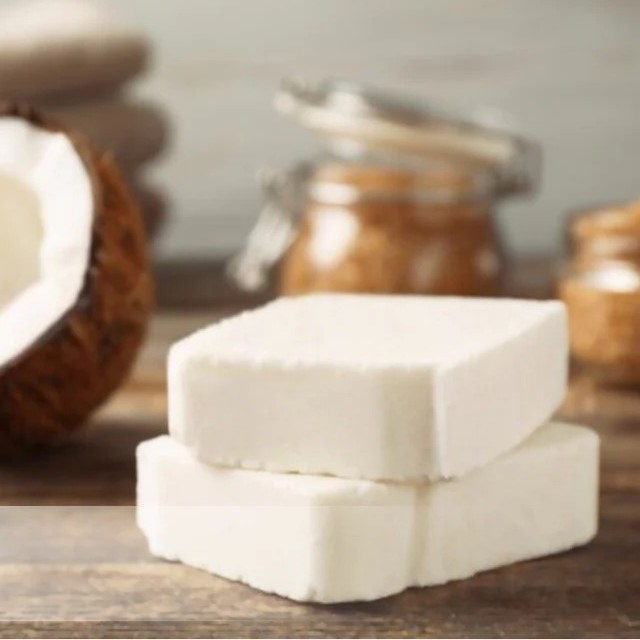
Methods of Using Coconut Oil in Soap Recipes
Coconut oil is versatile and suits various soap-making methods. Each method highlights its unique qualities. Below are the main ways to use coconut oil in soap recipes.
Cold process soap making
Cold process soap making is a popular method among artisans. Here, coconut oil is combined with lye and other oils. This method allows for customizable soap recipes and better control over ingredients. The process involves mixing oils, lye, and water, then pouring the mixture into molds. Saponification occurs over several weeks, leaving you with firm, high-quality soap bars. Coconut oil enhances this process by providing hardness, lather, and cleansing power. Using unrefined coconut oil adds a light, natural coconut scent to the soaps.
Melt and pour soap making
Melt and pour soap making is ideal for beginners. In this method, a pre-made soap base is melted, customized, and poured into molds. Coconut oil can be added to boost moisturizing properties and improve lather. Fractionated coconut oil is a good choice because it blends easily without hardening the mixture. This method is quick and doesn’t require handling lye. It’s great for making decorative soaps or adding creative touches like colors and scents.
Hot process soap making
Hot process soap making speeds up saponification using heat. The mixture of oils, lye, and water is cooked until it forms a thick consistency. Coconut oil works well in this method as it withstands high temperatures without losing its benefits. It produces durable, richly lathering, and long-lasting soap. Hot process soap results in rustic-looking bars with functional qualities. This method is suitable for those wanting faster curing times compared to cold process soaps.
Using coconut oil for soap making enhances all these methods and delivers superior soaps. Choose the method that best matches your needs and skill level.
Considerations When Using Coconut Oil
Coconut oil is highly beneficial for soap making, but it requires careful consideration. Understanding its proper usage and potential effects can help produce high-quality soap. Below, we’ll discuss essential points to keep in mind.
Proper usage percentages
Using the correct amount of coconut oil in your soap recipes is crucial. Typically, it is recommended to use coconut oil at 20% to 30% of the total oil weight. This percentage ensures the soap provides good cleansing and lather without being too harsh.
For highly moisturizing soaps, consider limiting coconut oil to 15%-20%. Higher percentages, such as 30%-35%, are better for stronger cleansing properties. However, every soap formula is unique, and experimenting with small batches can help find the best balance for your needs.
Potential for dryness with overuse
Coconut oil has intense cleansing properties, which can lead to skin dryness. Using more than 30%-35% coconut oil may strip natural oils from the skin. This can make the soap feel harsh and may not suit sensitive skin types.
To prevent dryness, blend coconut oil with milder oils like olive oil or sweet almond oil. This combination maintains a nice balance of cleansing, moisturization, and skin-friendliness. Adding a superfat (extra oils) of about 5%-8% can also help counteract any dryness caused by excess coconut oil.
By understanding these considerations, you can create soaps that harness the strengths of coconut oil while avoiding potential drawbacks. Careful formulation ensures effective and skin-friendly products.
Comparing Coconut Oil with Other Oils for Soap Making
Coconut oil is a versatile and effective ingredient in soap making. Comparing it with other oils helps you understand its unique properties and how it can be combined for optimal soap formulations.
Coconut oil vs olive oil
Coconut oil and olive oil are both popular in soap making, but they serve different purposes:
- Cleansing vs moisturizing: Coconut oil provides excellent cleansing and creates a rich lather. Olive oil, on the other hand, offers superior moisturizing qualities but generates less lather.
- Soap hardness: Coconut oil creates hard and long-lasting bars. Olive oil tends to make softer and creamier bars, which might have a shorter lifespan.
- Fatty acid content: Coconut oil is rich in lauric acid, which gives soaps their cleansing power. Olive oil, however, contains oleic acid, known for its nourishing and hydrating benefits.
- Skin type suitability: Coconut oil can sometimes be too cleansing for dry or sensitive skin in high amounts. Olive oil suits all skin types, especially sensitive or mature skin, due to its gentle nature.
Blending coconut oil with other oils
Combining coconut oil with other oils balances soap properties:
- Olive oil: Blending coconut oil with olive oil results in soap that is both cleansing and moisturizing. Use this blend for a good balance of hardness, lather, and skin-friendliness.
- Palm oil: Adding palm oil to coconut oil enhances the soap’s hardness and stabilizes lather. It also contributes to smooth, creamy soap bars.
- Castor oil: This oil improves lather while adding a softer, more conditioning quality to the soap. A small percentage combined with coconut oil is ideal.
- Sweet almond oil: This is a great option for enhancing the moisturizing properties of coconut oil-based soaps. It creates a luxurious feel for users with sensitive or dry skin.
- Shea or cocoa butter: Add these to increase creaminess and skin-nourishing benefits alongside coconut oil’s cleansing ability.
By understanding how coconut oil compares to other oils and how it blends with them, you can create diverse, high-quality soaps suited to different needs. Each blend brings a unique set of benefits, allowing you to experiment for the best results.
Where to Source High-Quality Coconut Oil for Soap Making
Finding high-quality coconut oil is essential for creating superior soap. Choosing the right source ensures your soaps are effective, safe, and consistent. Below, we provide helpful guidance on selecting the best coconut oil and suggest trusted suppliers.
Tips for choosing the best coconut oil
- Verify the type of coconut oil: Choose the appropriate type based on your soap recipe:
- Use virgin coconut oil for maximum nutrients and a natural scent.
- Opt for refined coconut oil for a neutral aroma in your soap.
- Select fractionated coconut oil for liquid or soft soaps.
- Check purity: Look for 100% pure coconut oil without additives, chemicals, or artificial fragrances.
- Inspect labels and certifications: Choose certified organic or fair-trade coconut oil for better quality and sustainability.
- Know the sourcing process: Prefer cold-pressed or expeller-pressed oils to retain nutrients and effectiveness.
- Consider packaging and storage: Select products in airtight containers to protect the oil from spoilage.
- Review product reviews: Read customer feedback regarding the quality and performance of the oil from the brand.
Recommended brands and suppliers
- Nutiva: Known for high-quality organic and virgin coconut oils, ideal for nourishing soap bars.
- Viva Naturals: Offers cold-pressed coconut oil with a mild natural aroma. Great for moisturizing soaps.
- BetterBody Foods: Provides organic, refined coconut oil in bulk, best for neutral-scented soaps.
- Nature’s Way: High-quality virgin coconut oil, rich in nutrients, suitable for luxurious soap recipes.
- Soaper’s Choice: Specializes in soap-making oils, offering refined and fractionated coconut oil options.
- Mountain Rose Herbs: Supplies organic coconut oil sourced sustainably, perfect for eco-conscious soap makers.
Ensure you purchase from trusted brands or suppliers with a strong reputation. High-quality coconut oil plays a crucial role in making effective, skin-friendly soap.
Beginner Tips for Soap Making with Coconut Oil
Coconut oil is an excellent ingredient for soap making. Beginners should follow these tips to improve their soap-making experience. Knowing common mistakes to avoid and keeping essential tools ready will ensure smooth and successful soap crafting.
Common mistakes to avoid
- Overusing coconut oil: Avoid using too much coconut oil in your recipes. High percentages can make soaps harsh and drying. Stick to 20%-30% for balanced cleansing and moisturizing.
- Skipping accurate measurements: Always use a precise digital scale for ingredient measurements. Inaccurate measurements can lead to improper saponification.
- Insufficient mixing: Thoroughly mix ingredients to ensure complete blending. Poor mixing can affect soap texture and quality.
- Adding oils at the wrong temperature: Maintain the right temperature for oils and lye solution. Different temperatures can cause separation.
- Ignoring safety precautions: Always wear gloves, goggles, and long sleeves when handling lye. Protect your skin from burns.
- Pouring soap too early: Wait until the mixture reaches trace before pouring it into molds. This avoids separation issues.
- Being impatient with curing: Allow soaps to cure fully for 4-6 weeks. Rushing can result in soft, ineffective bars.
Essential tools for soap making
- Digital scale: Essential for accurate measurements of oils, lye, and additives.
- Stick blender: Speeds up mixing and helps reach trace quickly and effectively.
- Heat-safe containers: Use stainless steel or heat-resistant glass bowls for mixing lye and oils.
- Thermometer: Monitors the temperature of oils and lye solution to ensure compatibility.
- Soap molds: Choose silicone molds for easy release and smooth edges for your soaps.
- Rubber spatula: Helps scrape every bit of soap batter into molds, minimizing waste.
- Safety gear: Always have gloves, goggles, and a face mask for safe handling of lye and oils.
- Cutting tools: Soap cutters or knives ensure clean and uniform soap bars.
Follow these beginner tips to create high-quality soap with coconut oil. With proper techniques and the right tools, you can craft effective, nourishing soaps for all skin types.
Conclusion: Embrace the Beauty of Coconut Oil Soap Making
In summary, coconut oil for soap making opens a world of possibilities for DIY enthusiasts. Its moisturizing properties, rich lather, and antimicrobial qualities make it an essential ingredient in handmade soap. By following our step-by-step guide, you’re now equipped to create beautiful soaps that cater to your preferences and needs.
Take the plunge into the art of soap making, and let coconut oil transform your DIY routine into an enjoyable and rewarding experience. With creativity and experimentation, you’ll be able to craft unique soap bars that impress everyone around you. Enjoy the process, and happy crafting!