Introduction to Essential Oils in Soap Making
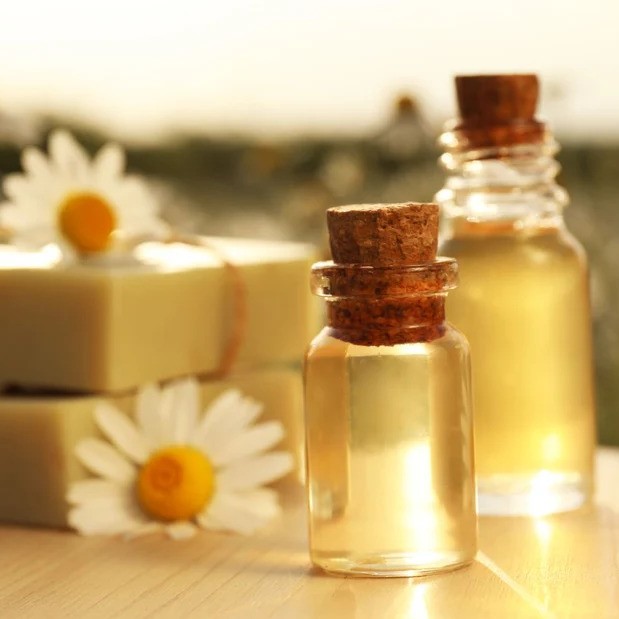
Essential oils play a key role in soap making. They give your soap unique scents and beneficial properties. Derived from plants, these essential oils for soap making are natural and highly concentrated. Let’s explore more about essential oils and their benefits in soap making.
What Are Essential Oils?
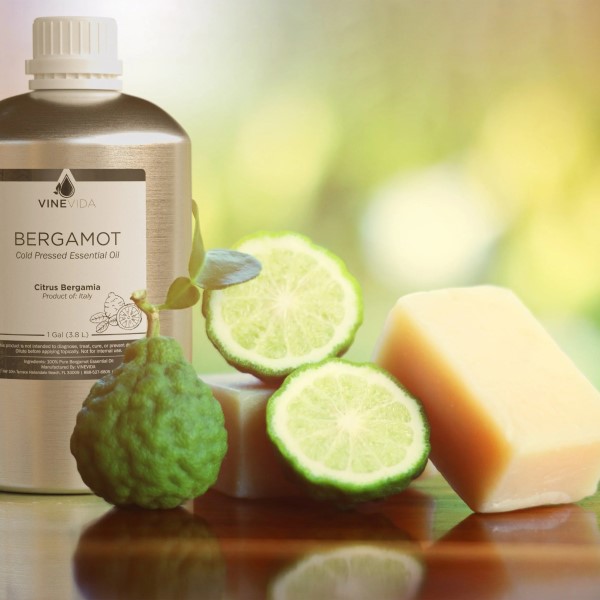
Essential oils are concentrated plant extracts. They are obtained through methods like steam distillation or cold pressing. These oils capture the essence, aroma, and therapeutic properties of the plants. For soap making, essential oils add both fragrance and functional skin benefits. Examples include lavender, tea tree, and peppermint oils. Each type has its own unique scent and properties that can be used to enhance soaps.
Benefits of Using Essential Oils in Soap
- Natural Fragrance: Essential oils provide soaps with fresh, natural scents without synthetic chemicals.
- Therapeutic Properties: Many oils offer skin benefits, like moisturizing, soothing irritation, or reducing oiliness. For instance, eucalyptus oil can help with calming troubled skin.
- Customizable: Blends of essential oils can create unique soap fragrances tailored to your preferences.
- Eco-friendly: Essential oils are biodegradable and sustainable, making them a green choice for soap making.
Using essential oils for soap making allows for creativity while promoting skin health and eco-consciousness. Whether you are a beginner or an experienced soap maker, these oils add a natural touch to your products.
Choosing the Right Essential Oils
Selecting the right essential oils is vital for successful soap making. Each oil brings its unique scent and skin benefits. Choose oils based on the type of soap you want to create, as well as the desired fragrance and properties. Here’s a guide to help you make informed decisions.
Popular Essential Oils for Soap Making
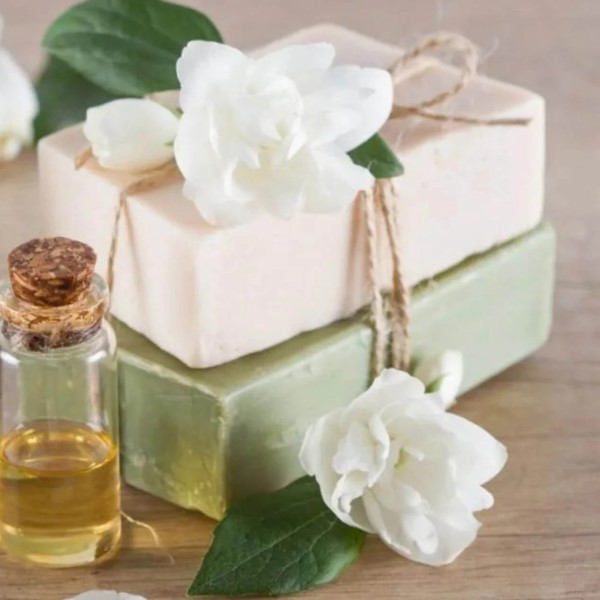
- Lavender Essential Oil: Versatile and calming, lavender oil suits most skin types. It is perfect for soothing the skin and reducing redness.
- Tea Tree Essential Oil: Known for its antibacterial and antifungal properties, tea tree oil is great for cleansing soaps.
- Peppermint Essential Oil: This oil offers a refreshing, cooling effect. Ideal for invigorating soaps, it uplifts your mood.
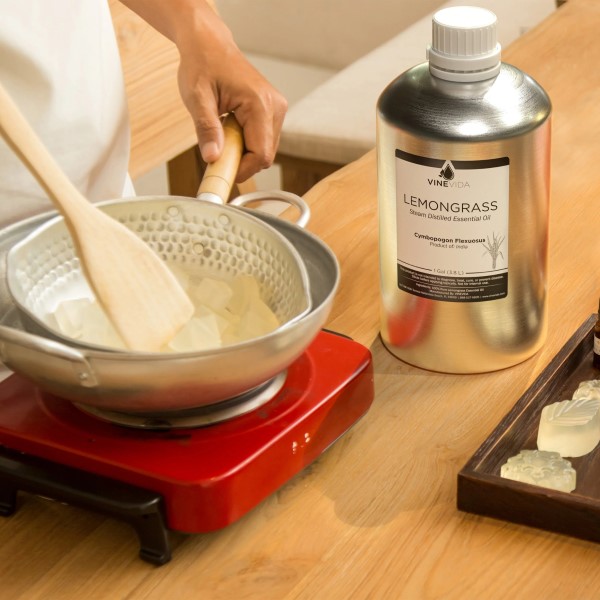
- Lemongrass Essential Oil: A favorite for its fresh, citrusy aroma, lemongrass oil also helps reduce oily skin.
- Eucalyptus Essential Oil: With its clean scent, eucalyptus oil is popular in soaps designed for relaxation.
- Rosemary Essential Oil: Excellent for stimulating circulation, rosemary oil is a great choice for rejuvenating soaps.
- Citrus Oils (Orange, Lemon, Grapefruit): These oils bring a zesty fragrance to soaps. They also add mild skin-brightening properties.
Explore various combinations of these oils to create unique scents for your soaps. Pay attention to each oil’s properties to match your needs.
Safety Considerations When Selecting Oils
- Check for Skin Sensitivity: Some oils, like cinnamon or clove, can irritate the skin. Use sparingly.
- Dilute Properly: Essential oils are highly concentrated. Always dilute them in carrier oils or soap mixtures.
- Avoid Phototoxic Oils: Citrus oils like bergamot can cause skin sensitivity under sunlight. Use with caution.
- Buy High-Quality Oils: Ensure your essential oils are pure and not mixed with synthetic chemicals.
- Patch Test First: Always test an essential oil on a small area of the skin before using it widely.
- Consider Allergies: Be mindful of potential allergic reactions. Research oils and their impact thoroughly.
By choosing the right essential oils and following safety guidelines, you can make soap that’s both beautiful and safe for the skin.
Blending Essential Oils for Custom Scents
Blending essential oils allows for endless creativity in soap making. By combining oils, you can craft unique scents tailored to your preferences. Proper blending considers the oil’s properties and fragrance profiles for a balanced mix.
Tips for Creating Unique Essential Oil Blends
- Understand Fragrance Notes: Essential oils can be classified into top, middle, and base notes. Top notes like citrus oils are fresh and fleeting. Middle notes such as lavender provide body and harmony, while base notes like cedarwood add depth and longevity.
- Start Small: When blending oils, begin with small quantities. This helps you avoid waste and fine-tune your recipe.
- Use Compatible Oils: Certain oils complement each other well. For example, citrus oils blend beautifully with lavender or rosemary.
- Test Your Blend: Mix a small sample to evaluate the scent. Adjust ratios until satisfied.
- Document Blends: Keep track of measurements and ingredients for consistency and future reference.
- Balance Properties: Combine oils considering their therapeutic effects. Pair calming oils like chamomile with refreshing oils like mint to cater to multiple needs.
- Avoid Overpowering Scents: Use strong oils like eucalyptus sparingly. They can overwhelm delicate blends.
Common Blend Recipes for Soap Making
- Citrus Fresh Blend:
- 5 drops orange oil
- 3 drops lemon oil
- 2 drops grapefruit oil
Perfect for uplifting and energizing soaps.
- Relaxing Floral Blend:
- 4 drops lavender oil
- 3 drops chamomile oil
- 2 drops geranium oil
Ideal for soothing, gentle soaps.
- Invigorating Minty Blend:
- 4 drops peppermint oil
- 3 drops eucalyptus oil
- 2 drops rosemary oil
Great for refreshing and awakening soaps.
- Spicy Warm Blend:
- 3 drops cinnamon oil
- 3 drops clove oil
- 2 drops nutmeg oil
Adds a cozy, comforting scent to your soaps.
- Herbal Earthy Blend:
- 4 drops tea tree oil
- 3 drops rosemary oil
- 2 drops cedarwood oil
Perfect for grounding and calming soap recipes.
Experiment with these blends or create your own by mixing different oils. Remember to keep safety guidelines in mind while blending essential oils for soap making.
Incorporating Essential Oils into Soap Recipes
Adding essential oils to soap recipes enhances fragrance and therapeutic properties. Proper techniques ensure oils retain their benefits and blend well with soap bases. Below, we explore two popular soap making methods: cold process and melt and pour.
Cold Process Soap and Essential Oils
Cold process soap making is a traditional method. It involves mixing lye with oils to create a chemical reaction called saponification. Essential oils are added during the trace stage of soap making to preserve their delicate properties.
Steps to Incorporate Essential Oils in Cold Process Soap:
- Mix lye and oils to prepare your soap base.
- Wait until the mixture reaches trace consistency.
- Add essential oils carefully, keeping the recommended usage rate in mind (usually 1-2% of total weight).
- Stir until fully blended.
- Pour into molds and allow to cure for 4-6 weeks.
Tips for Success:
- Avoid using heat-sensitive essential oils, as the saponification process generates heat that may alter fragrances.
- Choose oils with stable scents like lavender, rosemary, or tea tree for longer-lasting results.
- Use precise measurements to avoid overpowering scents or skin irritations.
Cold process soap with essential oils results in handmade soaps infused with natural, customizable aromas.
Melt and Pour Soap Techniques with Essential Oils
Melt and pour soap making is simpler and ideal for beginners. Pre-made soap bases are melted, mixed with additives, and then poured into molds. Essential oils can be added after melting to retain their natural properties.
Steps to Incorporate Essential Oils in Melt and Pour Soap:
- Heat the soap base until fully melted.
- Remove from heat and allow the base to cool slightly (around 125°F).
- Add essential oils, about 0.5-1% of the total weight, depending on the desired scent strength.
- Stir thoroughly to ensure even distribution.
- Pour the mixture into molds and allow the soap to set completely.
Advantages of Melt and Pour Method:
- Easier to handle compared to cold process soap.
- Ideal for experimenting with smaller batches and unique blends.
- No lye handling required, making it safer for beginners.
Considerations:
- Do not overheat the soap base to prevent essential oils from evaporating.
- Ideal essential oils include citrus oils, eucalyptus, and peppermint for vibrant scents.
Both methods let you craft soaps with therapeutic and fragrant qualities. Use proper techniques to maximize your essential oil benefits in soap recipes.
Essential Oils and Skin Types
Understanding which essential oils suit your skin type is essential. Different oils cater to varied skin needs. These natural extracts enhance soap benefits by addressing specific skin concerns.
Best Oils for Dry Skin
Dry skin requires oils that hydrate and nourish. Here are some top essential oils:
- Lavender Oil: Soothing and moisturizing, it helps combat dryness and discomfort.
- Rose Oil: Rich in nutrients, this oil deeply hydrates and restores skin’s radiance.
- Sandalwood Oil: Promoting moisture retention, it is ideal for very dry skin types.
- Geranium Oil: Known for its balancing properties, it prevents skin from feeling taut.
- Chamomile Oil: Helps reduce irritation while moisturizing sensitive, dry skin.
These oils provide lasting relief and improve your soap’s functionality for dry skin care.
Oils Suitable for Sensitive Skin
Sensitive skin needs gentle, non-irritating essential oils. Below are excellent options:
- Roman Chamomile Oil: Calms inflammation and soothes irritated skin.
- Calendula Oil: Perfect for reducing redness and promoting healing.
- Helichrysum Oil: Gentle and restorative, great for hypersensitive skin.
- Frankincense Oil: Lightweight and calming, suitable for easily reactive skin.
- Carrot Seed Oil: Rejuvenates and protects without causing irritation.
Always perform a patch test first to ensure compatibility with sensitive skin. Using these oils enhances soap’s gentleness and protects delicate skin.
Storing and Preserving Essential Oils for Soap Making
Proper storage and preservation of essential oils are vital to maintain their quality. Their delicate nature requires careful handling and attention to ensure freshness, effectiveness, and longevity.
Proper Storage Guidelines
- Use Dark Glass Bottles: Store essential oils in amber or cobalt blue bottles to block light exposure.
- Keep Away from Heat: Store oils in a cool place to prevent degradation caused by high temperatures.
- Avoid Air Exposure: Ensure bottles are tightly sealed to prevent oxidation and loss of aroma.
- Store in a Dry Environment: Moisture can affect oil stability. Keep oils in a dry location away from humidity.
- Label Properly: Write the name and purchase date on the bottle for tracking usage.
- Childproof Storage: Ensure oils are stored in a safe place away from children and pets.
Adhering to these guidelines ensures your essential oils remain fresh and effective for soap making.
Shelf Life of Essential Oils
The shelf life varies based on oil type and storage conditions. Here’s a general overview:
- Citrus Oils: Approximately 1-2 years. They oxidize quickly due to limonene content.
- Floral Oils: Often last 2-4 years if stored properly. Examples include lavender and rose oils.
- Wood Oils: Sandalwood and cedarwood may last up to 5 years due to their stable composition.
- Resin-Based Oils: Frankincense and myrrh can last 5-6 years given ideal storage.
- Herbal Oils: Typically last around 3-4 years, depending on their extraction method.
Signs of Expired Oils:
- Faded scent or unpleasant odor.
- Color changes, like darkening or cloudiness.
Replace expired oils to ensure optimal safety and scent quality in your soap recipes. By following recommended storage practices, you can preserve essential oils and extend their usability effectively.
Troubleshooting Essential Oils in Soap
Even experienced soap makers encounter challenges with essential oils. These issues can affect your soap’s quality. Here, we address common problems and offer solutions for better results.
Fixing Common Mistakes
Mistakes happen in soap making, especially with essential oils. Below are typical errors and ways to fix them:
- Overpowering Scents: Adding too much essential oil can create strong, unpleasant fragrances. Measure oils carefully. Use 1-2% of the total soap weight for balance.
- Skin Irritation: Some oils, like cinnamon, may irritate sensitive skin. Choose mild oils like chamomile. Test on a small skin area before wider use.
- Using the Wrong Oils: Certain oils don’t retain scents well in soap. Avoid delicate oils like rose that fade quickly. Instead, opt for stable oils like lavender or tea tree.
- Incorrect Blending Ratios: This can lead to unbalanced scents. Start with small amounts. Adjust blends until you achieve your desired fragrance.
- Overheating Essential Oils: High temperatures during soap making can destroy oil properties. Add oils after cooling soap bases. For cold process soap, add oils during the trace stage.
Tips for Avoiding Scent Fading
Essential oil scents can weaken over time. Follow these tips to preserve fragrances:
- Opt for Long-Lasting Oils: Some oils hold their scent better. Examples include cedarwood, eucalyptus, and patchouli.
- Use Fixatives: Add natural fixatives like benzoin or vetiver. These help stabilize and prolong scents.
- Store Soaps Properly: Keep finished soaps in a cool, dry place. Use airtight containers to retain aroma.
- Blend Wisely: Combine stable oils with fleeting ones. For instance, pair citrus with base oils like sandalwood.
- Avoid Excess Water: Too much water can dilute essential oil scents. Monitor liquid amounts during blending.
- Cure Correctly: Allow cold process soap to cure fully. Improper curing can lead to weaker scents.
Troubleshooting helps you master essential oils for soap making. Practice and refine your techniques for the best results.
Frequently Asked Questions About Essential Oils in Soap Making
Can Essential Oils Be Used in All Types of Soap?
Yes, essential oils can be used in most soap types, including cold process and melt and pour soaps. However, there are some considerations:
- Cold Process Soap: Essential oils are added during the trace stage. Some oils may alter due to heat.
- Melt and Pour Soap: Essential oils are added after melting the base for better retention of properties.
- Liquid Soap: Use oils with stable scents and add them during the cool-down phase.
- Hot Process Soap: Similar to cold process, oils are added after cooking to reduce scent loss.
Always check the compatibility of oils with your soap method to avoid complications.
How Much Essential Oil Should Be Added?
Proper measurement of essential oils ensures safety and effective results. Follow these guidelines:
- General Usage Rate: Use 0.5-2% of the total soap weight in essential oils.
- Cold Process Soap: Typical usage is about 20-40 drops per pound of soap base.
- Melt and Pour Soap: Add about 10-20 drops per pound, depending on scent intensity.
- Safety Precautions: Overloading oils can cause overpowering scents or skin irritation.
- Adjust Based on Oils: Mild oils need higher amounts, while strong oils like eucalyptus need lesser quantities.
Testing small batches first ensures the perfect scent strength and safety for your soaps.
Conclusion: Crafting Perfection with Essential Oils
Incorporating essential oils for soap making is a fantastic way to enhance your products. With careful selection and understanding of these oils, you can craft beautiful, aromatic soaps that offer various benefits.
This guide has walked you through essential oil selection, the incorporation process, recipe ideas, and safety considerations, all aimed at helping you achieve perfection in your soap making journey. Embrace the vibrant world of essential oils, and watch your soap crafting skills flourish. Happy soap making!