Introduction: Understanding Your Flickering Candle
Candlelight creates a warm, inviting atmosphere in any space, but sometimes, you may notice that your candle’s flame flickers unexpectedly. If you’ve ever found yourself asking, “Why is my candle flickering?”, you’re not alone! Flickering flames can be a source of frustration and concern. In this article, we’ll explore the surprising reasons behind a flickering candle and provide valuable tips to enhance your candle experience. Understanding these factors can lead to safer usage and a more enjoyable ambiance.
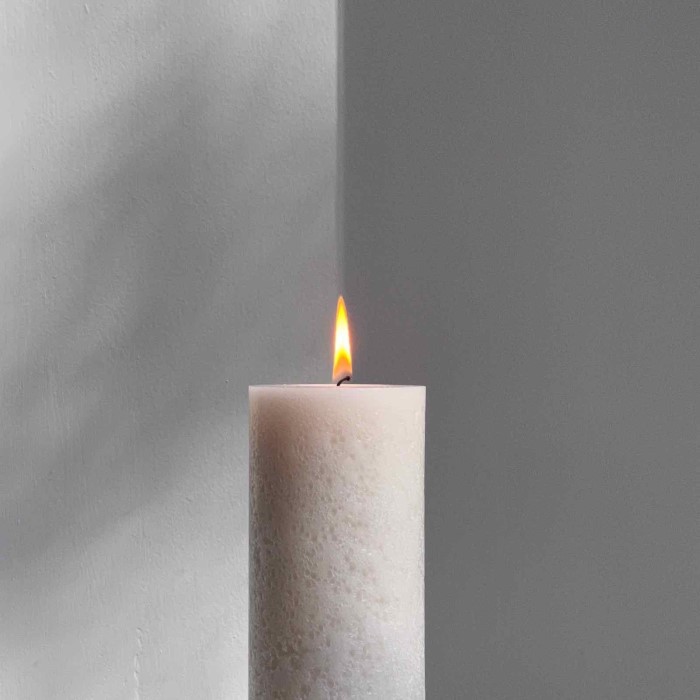
Candles are a beloved home accessory, useful for creating cozy settings, enhancing decor, or even serving as part of relaxation routines. However, the presence of a flickering flame can raise safety concerns and diminish the intended serene atmosphere. This article aims to shed light on why your candle might flicker, and how you can troubleshoot the issue effectively.
What Causes a Candle to Flicker?
Candle flickering can occur due to several reasons. Understanding these will help you identify and resolve the issue. A flickering candle typically indicates that one or more factors are disrupting the steady burn of the flame. Here are the common causes:
- Airflow or Drafts: An airflow or draft near a candle can disturb the flame, causing it to flicker.
- Humidity and Temperature: High humidity or extreme temperature changes can affect the candle’s stability.
- Poor Quality Wax: Candles made of substandard wax may not burn evenly, resulting in flickering.
- Incorrect Wick Size: A wick that is too large or small can create an unsteady flame.
- Improper Burning Practices: Not trimming the wick or placing the candle in the wrong location can lead to flickering.
These factors impact the behavior of the flame and its ability to burn smoothly. Recognizing the cause can help you fix the problem and enjoy a steady, glowing candlelight.
The Science Behind Candle Flickering
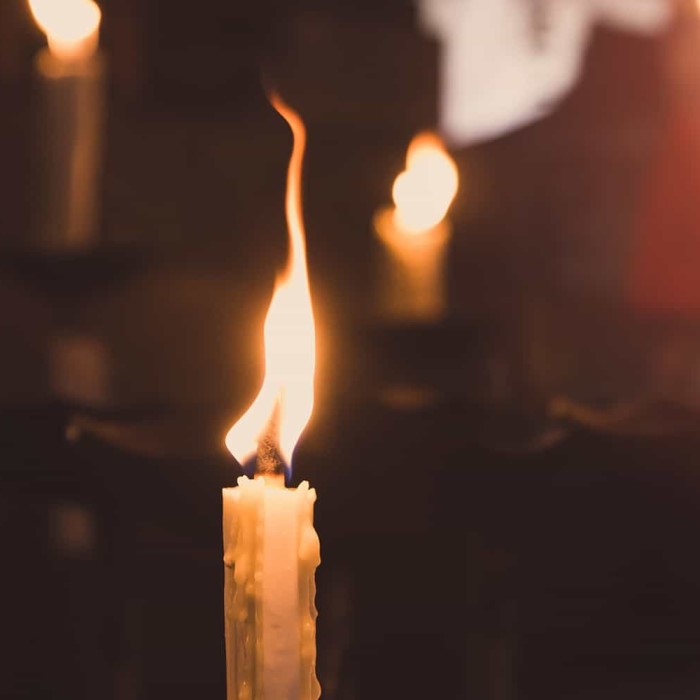
Why is my candle flickering? Understanding the science of candle flickering involves examining the flame dynamics. A candle flame burns as it consumes wax, a hydrocarbon, made liquid by heat. As the liquid wax travels up the wick and vaporizes, it reacts with oxygen to create a steady flame. However, any disturbance disrupts this controlled environment and causes flickering.
Several factors influence the flame’s stability:
- Airflow: Air movement alters the balance of oxygen around the flame. This affects the combustion process.
- Drafts: Strong drafts inject bursts of air, causing uneven burning of the wax.
- Temperature and Humidity Changes: Extreme heat or moisture around a candle impacts flame consistency. Rapid temperature shifts or high humidity can reduce combustion efficiency.
- Unbalanced Gas Flow: Uneven wax vaporization may result in inconsistent gas release, further adding to the flickering.
This scientific understanding helps in identifying the root cause of flickering and finding the right solution.
External Factors Contributing to Candle Flickering
External factors play a major role in causing candle flickering. These elements, such as airflow and environmental conditions, disrupt the flame’s steadiness. Identifying these factors will help prevent flickering and ensure a calm, reliable burn.

Airflow and Drafts
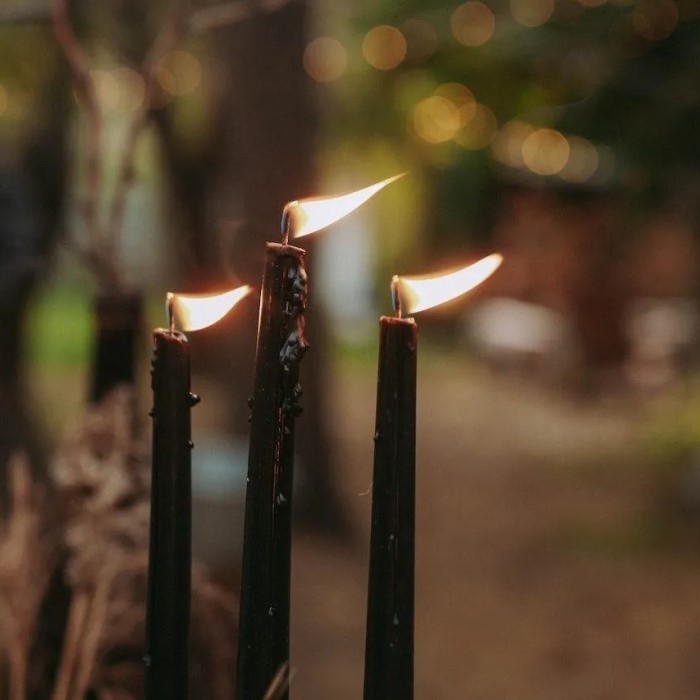
Airflow is one of the most common reasons for a flickering candle flame. Movement of air surrounds the flame unevenly, disrupting combustion. Drafts from open windows, fans, or vents create unexpected bursts of air. These bursts disturb the wax vaporization, causing instability in the flame. Even minor air circulation in a room can lead to flickering.
To solve this, place your candle in a draft-free environment. Avoid locations near doors, windows, or air conditioning units. Using draft shields or hurricane lanterns can further protect the candle from airflow disturbances.
Humidity and Temperature
Environmental conditions like humidity and temperature significantly impact candle behavior. High humidity introduces moisture to the wax and wick, hindering proper burning. Temperature extremes affect how evenly the wax melts and vaporizes. Rapid room temperature changes might cause inconsistent flame behavior.
To combat this, keep your candles in a stable environment with moderate temperature. Avoid areas with sharp temperature differences, such as near heating or cooling appliances. Maintain a moisture-free setting around the candle for optimal performance.
By managing these external factors, you can enjoy a steady candlelight experience without the annoyance of flickering.
Candle Wax and Wick Issues
Why is my candle flickering? Candle wax and wick quality significantly influence the behavior of your candle’s flame. If you notice persistent flickering, it may be due to issues with the wax or the wick. Addressing these problems can eliminate flickering and ensure a steady burn.
Poor Quality Wax
The quality of the wax plays a crucial role in how a candle burns. Poor-quality wax often contains impurities or uneven composition. These inconsistencies can result in uneven melting, leading to irregular burning.
Here are ways poor-quality wax affects your candle:
- It may contain air bubbles, causing erratic wax combustion.
- Certain additives might not burn cleanly, leading to sooty residue.
- Uneven melting can disturb the flame’s stability and cause flickering.
To avoid this, choose candles made from high-quality paraffin, soy, or beeswax. These types of wax burn cleaner and more consistently. Check labels and opt for reputable brands to ensure better material quality.
Incorrect Wick Size or Type
A proper wick is essential for a steady flame. Both wick size and material affect how the candle burns. An incorrect wick can disturb the flame and cause flickering.
Common issues with the wick include:
- Wick Too Big: A large wick causes excessive wax melting. This creates an oversized flame that flickers.
- Wick Too Small: A small wick struggles to draw enough wax, leading to an unstable flame.
- Wrong Type of Wick: Some wicks are not suitable for specific wax types or candle sizes.
To fix wick problems:
- Use the correct wick size for your candle’s diameter.
- Select wicks made for the type of wax used in your candle.
- Test candles before final use to ensure stable burning.
By addressing both wax quality and wick-related issues, you can enjoy flicker-free and longer-lasting candles.
Candle Burning Techniques That Affect Flickering
Proper burning techniques can minimize candle flickering and improve flame stability. Knowing these practices enhances your candle-burning experience and keeps the flame steady.
Trimming the Wick
Trimming the wick is essential to prevent candle flickering. A wick that is too long creates a large flame, which may sputter and flicker due to excess fuel being burned. Regularly trimming the wick short, ideally to about 1/4 inch, controls the size of the flame and ensures a steady burn.
To trim the wick effectively:
- Use a wick trimmer or small scissors for precision.
- Cut the wick before each lighting to maintain an even flame.
- Remove debris or charred wick to prevent uneven burning.
Well-trimmed wicks also reduce smoke and prevent carbon buildup, contributing to a cleaner candle-burning experience.
Placement of the Candle
Where you place your candle greatly impacts its performance. Incorrect placement often exposes the candle to drafts, temperature changes, and air disturbances, causing flickering flames. Positioning your candle thoughtfully can make all the difference.
Follow these placement guidelines:
- Keep Away From Drafts: Avoid areas near fans, windows, or air vents to minimize air movement.
- Choose Stable Surfaces: Use flat, solid surfaces to prevent tilt and uneven burning.
- Opt for Calm Environments: Select areas with stable temperatures and moderate humidity.
Additionally, consider using candle holders or hurricane lanterns for added protection. Proper placement creates a calm environment and helps prevent unnecessary flickering.
By combining trimming and strategic placement, you can effectively reduce candle flickering and enjoy a soothing flame.
Safety Concerns with Flickering Candles
A flickering candle may seem harmless, but it can pose potential safety risks. Understanding these risks is crucial to prevent accidents. Here are the key concerns:
- Fire Hazards: Unsteady flames can grow unexpectedly and ignite nearby objects like curtains or paper. This increases the risk of a fire starting in your home.
- Overheating Glass Candle Holders: Prolonged flickering generates uneven heat, causing glass holders to crack or shatter. Broken glass poses a physical hazard and may lead to injuries.
- Soot and Smoke: Excessive flickering produces more soot, which can blacken walls and ceilings. Soot stains are difficult to clean and can affect indoor air quality. Smoke from a flickering flame may also irritate the throat and lungs.
- Toxic Fumes: Poor-quality candles often contain harmful substances. Flickering may intensify the release of these toxins into the air, which can be harmful when inhaled over time.
- Wax Spills: A flickering flame melts wax unevenly, causing spills. Hot wax can burn surfaces or skin and create sticky residue that’s hard to clean.
How To Reduce Safety Risks
To ensure safe candle use, follow these guidelines:
- Monitor the Flame: Never leave a candle unattended, especially if it flickers excessively.
- Check Surroundings: Keep flammable items at least 12 inches away from the candle.
- Use Quality Materials: Choose candles made from high-quality wax and safe ingredients.
- Place Candle Properly: Position candles on stable surfaces, away from drafts and open windows.
- Trim the Wick: Cut the wick to 1/4 inch before lighting for steady flames.
By keeping these safety tips in mind, you can reduce risks associated with flickering candles. Always prioritize proper care to enjoy warm, glowing candlelight safely.
How to Prevent Candle Flickering
Preventing a candle from flickering involves selecting the right candle and proper care techniques. By focusing on quality and maintenance, you can ensure a steady and soothing flame.
Choosing the Right Candle
The type and quality of the candle greatly affect its flame stability. Follow these tips to pick the right one:
- High-Quality Wax: Opt for candles made from natural wax like soy, beeswax, or high-grade paraffin. These materials burn cleanly and evenly.
- Proper Wick: Select candles with wicks suited for their size and wax type. This ensures optimal burning.
- Avoid Additives: Stay away from candles with excessive fragrances or dyes. These can disrupt the flame.
- Test Before Purchase: If possible, test candles from new brands to confirm consistent burning.
Choosing the right candle ensures a stable flame and reduces flickering problems. Prioritize quality over price for the best results.
Proper Candle Care and Maintenance
Regular candle care enhances performance and minimizes flickering. These practices ensure a consistent and safe burn:
- Trim the Wick: Keep the wick at 1/4 inch to maintain a steady flame.
- Use a wick trimmer or scissors for precise trimming.
- Trim before each use to avoid carbon buildup.
- Burn Candles Evenly: Allow the wax to form a full melt pool across the surface.
- This prevents uneven burning and tunneling.
- Ensure an even wax layer before extinguishing.
- Avoid Drafts: Place candles in stable, draft-free environments.
- Keep them away from fans, open windows, or air ducts.
- Use Candle Holders: Use heat-resistant holders to secure the candle.
- Holders also shield the flame from air disturbances.
- Store Properly: Keep candles in a cool, dry place when not in use.
- Avoid direct sunlight or high temperatures as they can deform the wax.
Proper care and maintenance enhance candle longevity and performance. Consistently follow these steps to minimize flickering and enjoy a steady flame.
When to Replace a Flickering Candle
Flickering candles may sometimes need to be replaced. Certain issues cannot always be fixed. Knowing when to replace a candle is essential for safety and convenience. Here are key signs it’s time to replace your candle:
Persistent Flickering?
If your candle keeps flickering despite efforts to fix it, replace it. Persistent flickering could signal poor materials or structural flaws. These issues may make it impossible to resolve the flickering problem.
Excessive Soot Formation?
A flickering flame produces more soot, which can dirty your walls and ceilings. If cleaning the wick or adjusting the candle position does not reduce soot, replacing the candle is a wise choice.
Uneven Wax Burning?
When wax melts unevenly and doesn’t correct despite adjustments, switch the candle. Uneven melting can cause tunneling, leading to wasted wax and shortened candle life.
Damaged or Improper Wick?
A wick burning too fast or not drawing wax properly is a common flicker cause. If trimming or adjusting the wick does not work, the candle might not burn correctly. Replace it to ensure a steady flame.
Low-Quality Materials?
Low-quality candles may contain impurities in wax or unsuitable wicks. These factors cause repeated flickering. Opt for higher-quality candles to avoid ongoing issues. Replace questionable candles to enjoy a better experience.
Safety Concerns?
Consistent flickering can increase safety risks, including fire hazards or glass holder damage. If a candle appears risky to burn, do not hesitate to replace it. Prioritize safety over continued use.
Burned Out?
As a candle nears the end of its lifespan, the flame may flicker more. Replace any candle that shows signs of insufficient wax or an unusable wick.
By recognizing these signs, you can determine when replacing a flickering candle is necessary. Choosing a new, high-quality candle ensures safer and more enjoyable use in your home.
Conclusion: Addressing the Flickering Flame
So, now that you’ve explored several answers to your initial question, “Why is my candle flickering?”, it’s time to summarize the key points for achieving a delightful candle experience.
Understanding air drafts, wick length, and wax quality are essential in addressing flickering issues. Additionally, proper positioning and attention to environmental factors contribute significantly to the stability of your candle flame.
By following safety measures and embracing maintenance techniques, you can create a safer atmosphere when using candles. Remember also to consider quality brands and natural alternatives for the best possible experience.
In conclusion, a flickering candle does not have to remain a source of concern; instead, it should be viewed as an opportunity to enhance safety and enjoyment in your home. Embrace these insights, and your candles will provide the warm glow that you desire without unwanted surprises. Happy candle burning!