Understanding Pen Ink and Its Composition
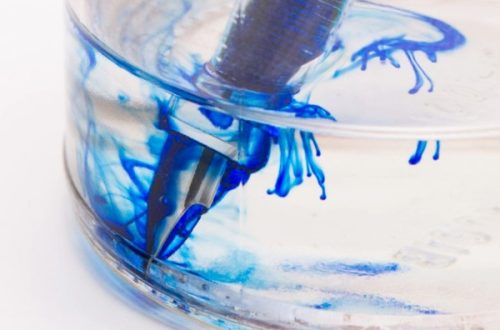
When asked “what happens if you eat ink from a pen?”, it is first important to understand what pen ink consists of. Most pen inks are formulated with a mixture of water, pigments or dyes, solvents, and various additives. Each of these components serves a distinct purpose: pigments provide color, while solvents help the ink flow smoothly. While many inks are designed to be safe for incidental contact, they are not intended for consumption.
Types of Pen Inks
- Water-Based Inks: Common in ballpoint and gel pens, water-based inks typically contain non-toxic components. They are popular for everyday use and are often labeled as safe for children. However, just because they are non-toxic does not mean they are safe to ingest in any amount.
- Permanent Inks: While permanent inks designed to adhere firmly to surfaces, they often contain stronger solvents that can be irritating.
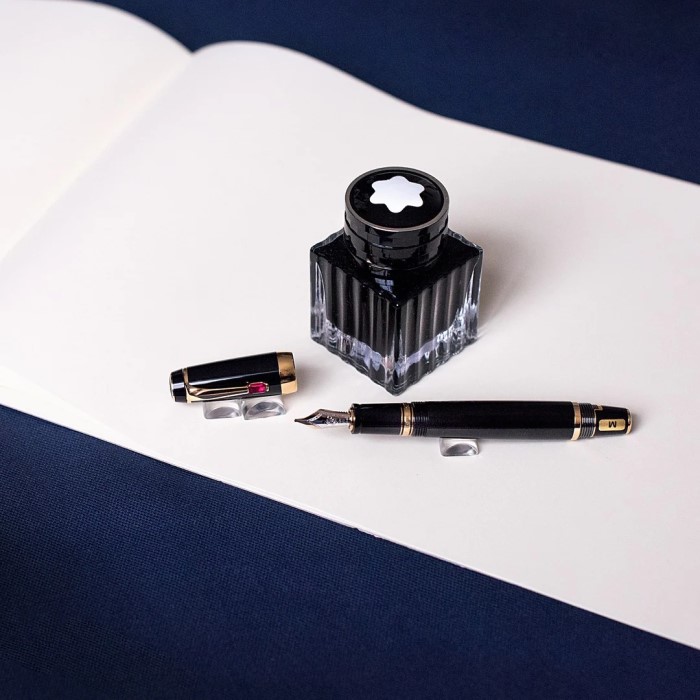
- Fountain Pen Inks: Fountain pen inks vary widely in formulation, with some being water-based while others contain different additives. Knowing the type of ink is crucial for understanding the potential effects of ingestion.
Common Symptoms of Ink Ingestion
In the event of ink ingestion, several symptoms may arise depending on the ink type, quantity, and individual sensitivities. Here are common symptoms to be aware of:
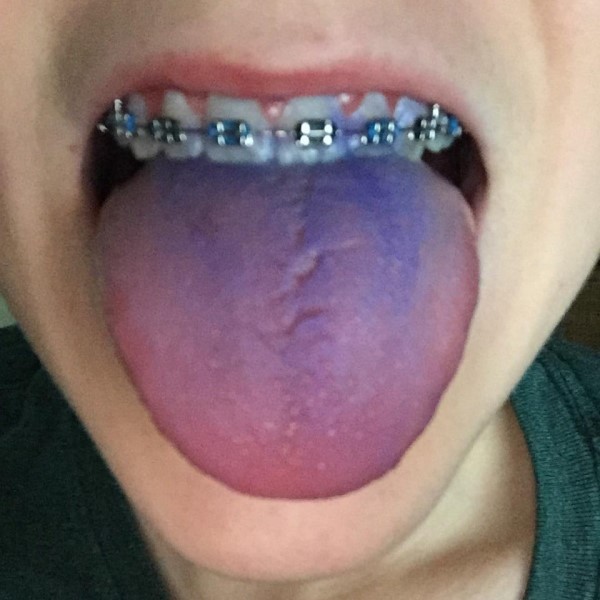
- Mouth and Throat Irritation: If ink comes into contact with the mouth or tongue, irritation can occur. The person may experience a burning sensation, dryness, or discomfort.
- Gastrointestinal Distress: After swallowing ink, individuals may experience nausea, vomiting, or diarrhea. Gastrointestinal upset can arise due to the ink’s chemical composition.
- Allergic Reactions: Some individuals may have sensitivities to specific pigments or additives in ink. Allergic reactions could manifest as rash, itching, or other symptoms, depending on the person’s health and history.
Immediate Actions to Take After Ingesting Ink
What happens if you eat ink from a pen? If you accidentally ingest ink, it is important to take the necessary steps quickly and calmly. Here’s a guideline on the actions to consider:
Step 1: Assess the Situation
Evaluate how much ink has swallowed and the type of pen used. If the ink known to be non-toxic, the situation may not be as urgent as with permanent markers or inks with harmful chemicals. Try to remain calm and check for symptoms.
Step 2: Rinse Your Mouth
If possible, rinse your mouth thoroughly with water to help eliminate any ink residue. This can help reduce irritation and discomfort on the tongue or within the mouth.
Step 3: Monitor Symptoms
Keep an eye out for any developing symptoms such as nausea, vomiting, or throat irritation. It is crucial to note down any symptoms that arise, as this information will be helpful if seeking medical attention.
Step 4: Seek Medical Attention
If significant amounts of ink are ingested, or if serious symptoms develop, contact a healthcare professional immediately. They can provide guidance based on the specific situation and symptoms. In emergencies, don’t hesitate to go to the nearest hospital.
The Toxicity of Pen Ink
It is a common myth that all pen inks are entirely non-toxic. The reality is that some inks may contain harmful chemicals that can pose risks in cases of ingestion:
- Non-Toxic vs. Toxic Inks: Most standard ballpoint inks are formulated to be non-toxic. However, some permanent inks may contain solvents such as xylene or toluene, which can be harmful if ingested. Always check the product labeling for safety information.
- Effects of Components: The components in ink can irritate the gastrointestinal tract. Symptoms can range from mild irritations to more severe reactions depending on the ink type. Understanding ingredient safety is essential for making informed choices.
- Labeling and Compliance: Manufacturers of writing instruments often comply with safety standards that ensure their products are safe for adults and children alike. Incidents involving ink ingestion may encourage companies to change formulations or improve labeling for clarity.
Common Misunderstandings
What happens if you eat ink from a pen? Several misconceptions exist regarding pen ink ingestion, which is important to clarify:
Assuming Ink is Safe
- Misconception of Non-Toxicity: One common belief is that if an ink is labeled as non-toxic, it is completely safe for consumption. This is misleading, as “non-toxic” typically means that the ink is safe for skin contact or incidental ingestion in small amounts, not that it is safe to eat. Therefore, even non-toxic inks can cause health issues if ingested in larger quantities.
- Potential Health Risks: The risks associated with ink ingestion can vary widely. While non-toxic inks generally pose less risk than toxic inks, they may still cause gastrointestinal irritation, nausea, or allergic reactions in sensitive individuals. Understanding that “non-toxic” does not equate to “edible” is vital for ensuring safety.
- Variability Across Formulations: Different types of non-toxic inks may contain different ingredients. Some may include additives, pigments, or solvents that could pose risks or cause discomfort. Consumers should always exercise caution, regardless of non-toxicity labels.
Believing One Brand or Type is the Same
- Variation in Formulations: Not all inks are the same—each brand or type of pen may have its unique formulation. Manufacturers often use different chemicals, pigments, and solvents in their inks, leading to varying safety profiles. This means that pen inks labeled as non-toxic from different brands can still produce disparate effects if ingested.
- Specific Formulation Awareness: Understanding the specific ink formulation is crucial. For example, some inks made for artistic purposes, such as calligraphy or markers, and may contain chemicals that are not suitable for human consumption. This differentiation underlines the importance of knowing the exact ink type before making assumptions about its safety.
- Brand Reputation Matters: Some brands have a longstanding reputation for safety and quality, while others may not adhere to the same standards. Consumers should research brands and prefer well-established manufacturers that adhere to rigorous safety testing.
Ignoring the Importance of Labels
- Essential Safety Information: Product labels provide crucial information about the contents of the ink, including any hazards associated with ingestion. This information allows consumers to make informed decisions about how to use the product safely. Ignoring these labels can lead to inadvertent health risks.
- Awareness of Toxicology Details: Understanding the toxicological data on the label is vital. Information such as the potential health effects of ingredients, storage instructions, and first-aid measures may include. Reading these components can help you take necessary precautions and understand what to do in case of ingestion.
- Take Time to Read Labels: Many consumers rush through the purchasing process and fail to scrutinize the labels on products. Taking the time to read and comprehend the label can prevent dangerous situations and promote safer practices when using pens or other writing instruments.
- Be Proactive in Safety: By making label reading a habit, consumers can enhance their safety awareness and reduce potential health issues related to ink ingestion. Being proactive and informed is the key to ensuring safety for both children and adults who use various ink-based products.

Frequently Asked Questions
Is pen ink toxic in the mouth?
While most pen inks are considered non-toxic, they are not made for consumption. Ingesting ink can cause irritation and gastrointestinal issues, so it’s always best to avoid putting ink in the mouth.
What do I do if I accidentally swallowed ink?
If you accidentally swallowed ink, monitor for any symptoms. If serious symptoms arise or a substantial amount was consumed, contact a healthcare professional for assistance.
What happens if I get ink on my tongue?
Getting ink on your tongue may lead to mild irritation or an unpleasant taste. Rinse the mouth with water thoroughly after exposure to minimize any discomfort.
Do you have to go to the hospital for ink poisoning?
It may not be necessary to go to a hospital for ink poisoning unless serious symptoms develop or a large quantity was ingested. Always consult a healthcare professional if you have any doubts about the situation.
Conclusion: Understanding the Risks of Ink Ingestion
In conclusion, understanding what happens if you eat ink from a pen is crucial for everyone, especially parents and guardians. While many inks are non-toxic, they can still cause various health issues if ingested. Awareness of these facts can help mitigate risks and ensure a safer environment for children and users of all ages.
Regular education on the safe use of writing instruments and the potential hazards associated with ink ingestion is vital. By promoting this knowledge, we empower individuals to make informed decisions and maintain a safe writing experience. Ultimately, appreciating the safety features and proper usage of pens can protect users, ensuring that our writing tools remain a source of joy and creativity without unnecessary health concerns.