Introduction to Fountain Pen Maintenance
Cleaning your fountain pen is essential for maintaining its longevity and ensuring optimal performance. If you own a fountain pen, you might wonder how to clean fountain pen effectively. Proper maintenance can prevent ink clogs, enhance writing performance, and prolong the lifespan of your writing instrument. Understanding the cleaning process is crucial, especially if you frequently switch inks or if your pen has been unused for an extended period.
This article provides comprehensive insights into various cleaning methods, tips, and best practices for keeping your fountain pen in top condition. By following these guidelines, you can ensure a smooth writing experience and preserve the craftsmanship of your pen.
Why Clean Your Fountain Pen?
- Preventing Clogs: One of the primary reasons to clean your fountain pen is to prevent ink clogs. Dried ink can obstruct the nib and feed, resulting in an unsatisfactory writing experience. Regular cleaning helps maintain ink flow and prevents issues related to clogging.
- Ink Residue: Even the best inks can leave behind residues that may affect the performance of your pen. Accumulated ink can change the color dynamics of subsequent ink applications or alter the pen’s writing behavior. Cleaning removes these residues, allowing you to switch inks effortlessly.
- Enhancing Lifespan: Regular maintenance contributes to the overall longevity of your fountain pen. Caring for your pen by cleaning it properly can prevent wear and tear, keeping it functional for years to come. Pen craftsmanship often requires intricate designs that can benefit from consistent care.
- Improved Writing Performance: A clean fountain pen will naturally provide a more enjoyable writing experience. Clean nibs ensure smoother ink flow and prevent spontaneous skipping or blobbing of ink, allowing for a more fluid writing style.
Supplies You’ll Need for Cleaning
How to clean fountain pen? Cleaning a fountain pen does not require many supplies. However, gathering the right materials will help streamline the process. Here’s what you’ll need:
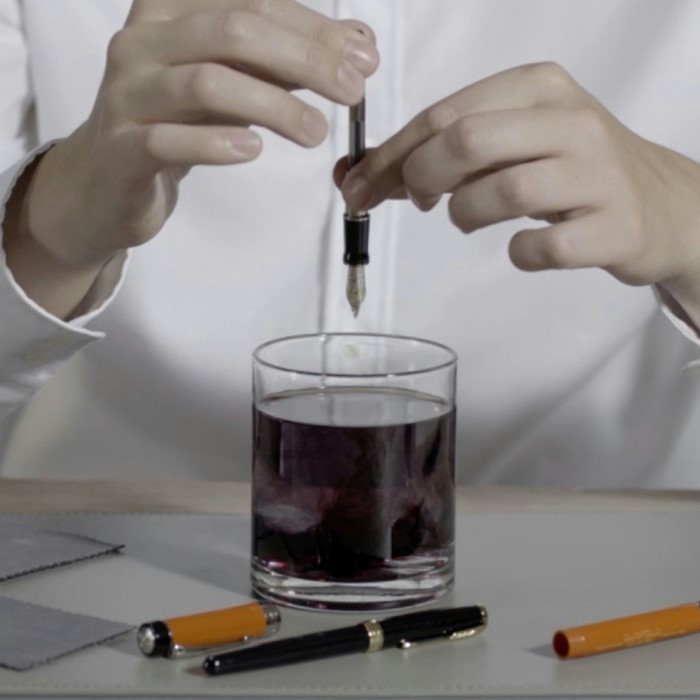
- Clean Water: Distilled or tap water is essential for flushing the pen. Distilled water is preferable since it does not contain minerals that could leave deposits inside the pen.
- Cleaning Solution: Depending on the level of cleaning needed, you may also want a specialized fountain pen cleaning solution or a mixture of water and mild soap.
- Syringe or Bulb Cleaner: A syringe or bulb cleaner is helpful for flushing out ink from the nib and feed. It allows for precision in directing water flow.
- Soft Cloth or Paper Towels: Having a soft cloth or paper towels on hand is essential for drying the nib and cap after cleaning.
- Small Bowl or Cup: A small bowl or cup is useful to collect water when flushing your pen during the cleaning process.
Step-by-Step Guide on How to Clean a Fountain Pen
How to clean fountain pen? Cleaning your fountain pen can be broken down into systematic steps to ensure thoroughness. Here is a straightforward method for achieving a clean, functional instrument:
Step 1: Disassemble the Pen
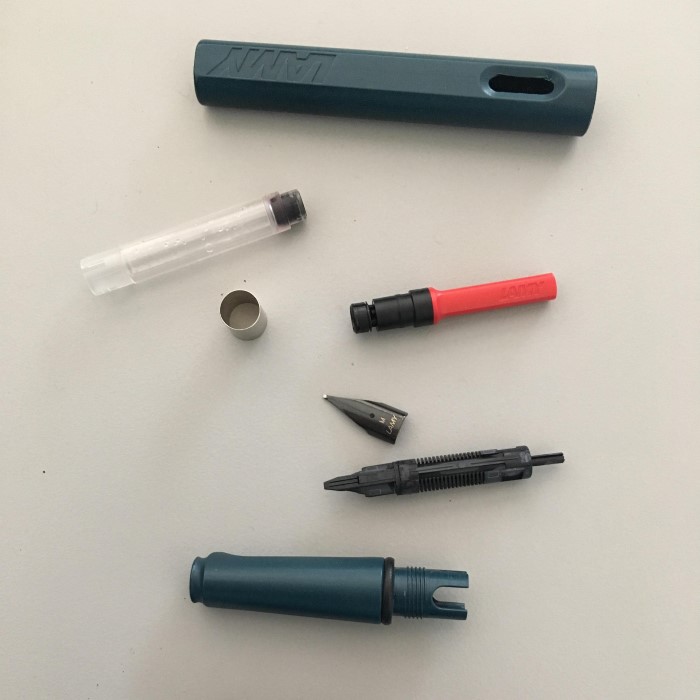
Begin by carefully disassembling your fountain pen. Remove the cap and barrel, separating the nib and feed from the ink reservoir. This step is crucial to ensure that each component gets the attention it needs during cleaning.
Step 2: Flush the Nib and Feed
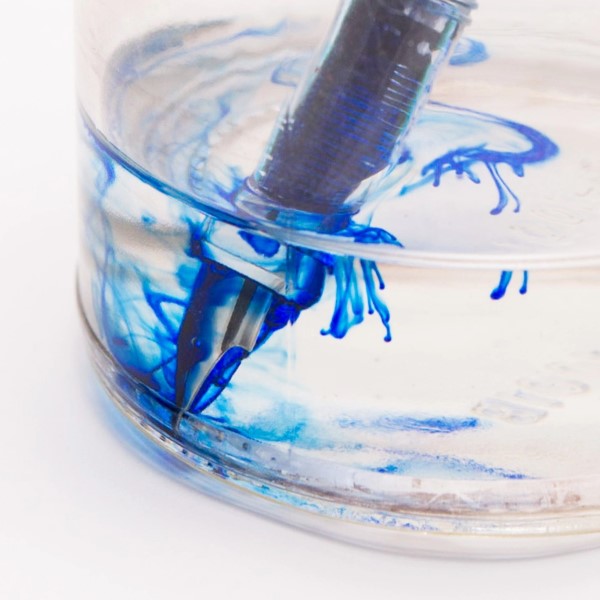
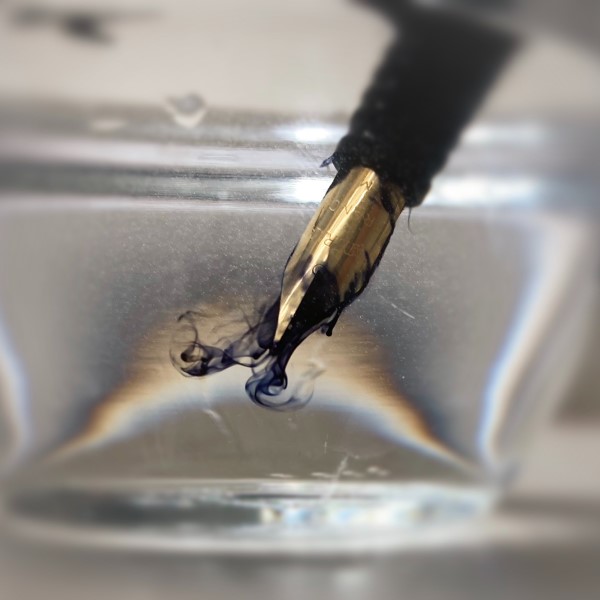
Using your syringe or bulb cleaner, fill it with clean water. Carefully insert the end of the nib into the cleaner, then slowly release water into the nib and feed section. This prevents any pressure buildup that might affect the pen’s components. Repeat this process until the water runs clear, indicating that all ink remnants have been flushed out.
Step 3: Soak, if Necessary
If there is stubborn dried ink, consider soaking the nib section in a bowl of warm water or a mild cleaning solution. Allow it to sit for about 15–30 minutes. After soaking, rinse again with clean water to remove any remaining residue.
Step 4: Clean the Ink Reservoir
Using a cleaning solution or mild soap, clean the ink reservoir with a soft cloth. Ensure no soap or cleaning solution is left inside. Rinse thoroughly with clean water to eliminate any traces of the cleaning solution.
Step 5: Dry the Components
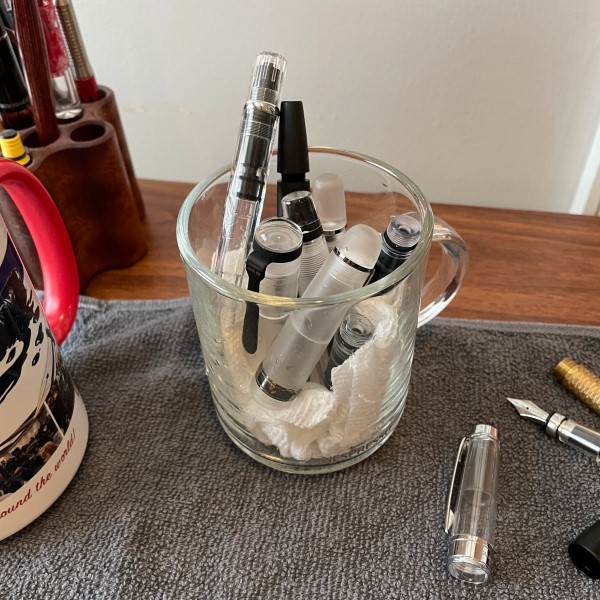
After cleaning, use paper towels or a soft cloth to gently pat dry the nib and feed. Ensure that no moisture is left on any component to prevent mold or additional ink issues. Allow the parts to air dry completely before reassembling the pen.
Step 6: Reassemble the Pen
Once all components are dry, carefully reassemble your fountain pen. Start with aligning the nib and feed correctly, then attach the ink reservoir, followed by the barrel and cap.
Additional Tips for Maintaining Your Fountain Pen
Regular Cleaning
- Establish a Cleaning Routine: Aim to clean your fountain pen every few weeks as part of its regular maintenance. Consistent cleaning helps prevent ink buildup and clogging over time.
- When to Clean: It is especially important to clean the pen whenever you switch ink types. Different inks can have varying properties, and cleaning the pen thoroughly ensures a smooth transition without contamination.
- Benefits of Regular Maintenance: By routinely cleaning your fountain pen, you enhance its performance, ensuring it writes smoothly and consistently. This practice also extends the longevity of the pen, allowing you to enjoy it for years to come.
Avoiding Harsh Chemicals
- Choose Safe Cleaning Solutions: Avoid using harsh chemicals, bleach, or abrasive cleaners, as these can damage the finish of the pen or degrade its internal components.
- Gentle Cleaning Methods: Instead, stick to gentle cleaning solutions that are specifically designed for fountain pens or mild soap and water. These are effective at removing ink residues without causing harm.
- Material Considerations: Be mindful of the materials used in your fountain pen—some plastics and finishes can react negatively to certain substances, so always choose cleaning materials that are safe and compatible.
Proper Storage
- Vertical vs. Horizontal Storage: Depending on the design of your fountain pen, store it either upright or horizontally. Storing it upright helps prevent ink from leaking through the nib, while horizontal storage can be suitable for certain models.
- Use Protective Cases: Consider using a protective case or pen pouch to shield your fountain pen from environmental factors like dust, moisture, or accidental damage.
- Maintaining Nib Integrity: Proper storage is crucial for maintaining the integrity of the nib. Avoid placing heavy items on top of your pen or storing it in a way that could bend or damage the nib.
Monitoring Ink Levels
- Regularly Check Ink Levels: Pay close attention to the ink levels in your fountain pen’s reservoir. This will help you avoid unexpected interruptions while writing and keep you informed about when it needs refilling.
- Avoiding Clogging Issues: Letting the pen run low on ink can lead to clogging, as remaining ink may dry out and create blockages. Keeping the ink levels adequate ensures a steady and smooth ink flow.
- Timely Refilling: Set a reminder for yourself to refill the pen regularly, especially if you use it frequently. This practice not only enhances your writing experience but also preserves the pen’s functionality over time.
Frequently Asked Questions
What’s the best way to clean a fountain pen?
The best way to clean a fountain pen includes disassembling it, flushing the nib and feed with clean water, soaking stubborn ink residues, and thoroughly drying before reassembling. Regular maintenance promotes optimal function.
How do you remove dried ink from a fountain pen?
To remove dried ink from a fountain pen, flushing the nib and feed with water is essential. If stubborn ink persists, soaking the nib in warm water or a mild cleaning solution for 15-30 minutes can help.
Can I clean my fountain pen by putting rubbing alcohol in it?
Using rubbing alcohol to clean a fountain pen is not recommended as it can degrade the materials. Always opt for distilled water or specific fountain pen cleaning solutions to avoid damaging the pen’s components.
Can I use dish soap to clean a fountain pen?
Yes, a weak solution of dish soap mixed with water can be used carefully to clean a fountain pen. Make sure that the soap is rinsed out completely, as any residue can affect ink flow.
Conclusion: The Importance of Cleaning Your Fountain Pen
In conclusion, knowing how to clean fountain pen effectively is essential for any owner who values their writing instrument. Regular maintenance ensures that your fountain pen performs smoothly and remains functional over time. The steps outlined provide an easy-to-follow guide that can save your pen from potential issues.
As fountain pen enthusiasts, understanding the intricacies of caring for your writing instrument enhances your overall experience and prolongs its lifespan. With the right approach, proper materials, and a little patience, cleaning your fountain pen can be a rewarding routine, ensuring that writing continues to be a pleasurable activity. By prioritizing the care of your fountain pen, you invest in its longevity and preserve the joy of writing.