Introduction: What Happens If You Eat Chalk?
Chalk is a common substance often seen in classrooms, art projects, and household applications. However, many people may find themselves asking the question: What happens if you eat chalk? While it may seem harmless at first glance, consuming chalk can lead to various health risks and complications. The act of eating non-food items, a condition known as pica, can indicate underlying issues that need attention.
This article aims to explore the potential health risks associated with eating chalk, the effects on the human body, and a comprehensive safety guide for individuals considering or engaging in this behavior. By enhancing your understanding, you can take proactive steps to maintain your health and safety.
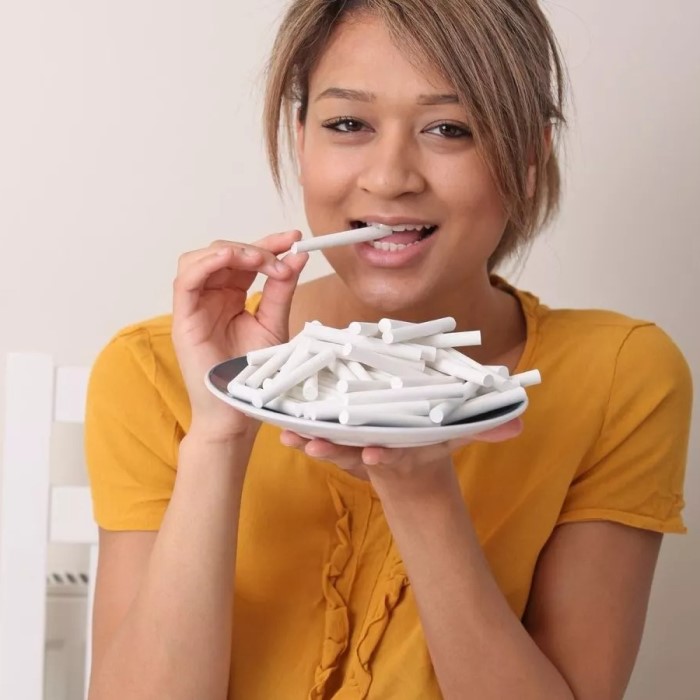
What Is Chalk?
1. Composition of Chalk
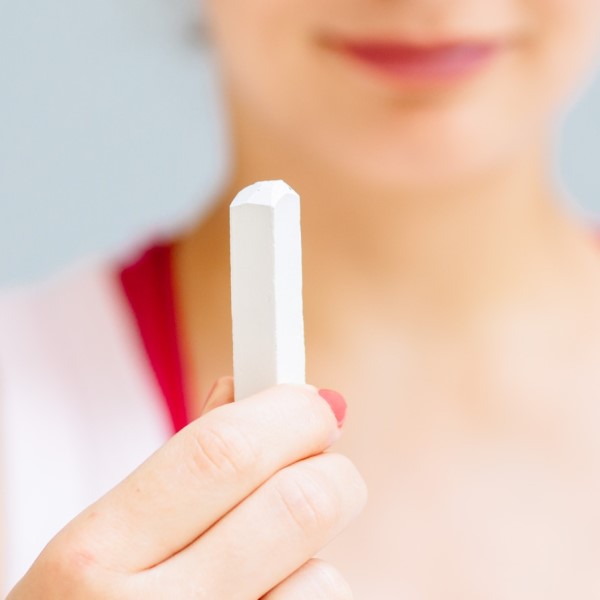
Chalk primarily consists of calcium carbonate (CaCO3) and is often derived from limestone. While it serves various functional purposes, including writing and drawing, it is not intended for consumption. Knowing what chalk is made of can help understand the implications of eating it.
2. Types of Chalk
There are several types of chalk available across markets, each serving different purposes. Natural chalk, commonly used in classrooms, differs from artist chalk or plaster chalk, which may contain additives like gypsum or binding agents. Understanding the specific type of chalk is crucial to assessing the associated health risks.
Health Risks of Eating Chalk
1. Gastrointestinal Issues
What happens if you eat chalk? Eating chalk can lead to immediate gastrointestinal problems. Symptoms might include stomach pain, nausea, vomiting, and constipation. Since chalk is largely indigestible, it might contribute to bowel obstruction in severe cases, especially when larger amounts are consumed. This can aggravate discomfort and potentially lead to more serious medical concerns.
2. Toxicity Considerations
While chalk is primarily composed of calcium carbonate, consuming large amounts can lead to toxicity. If the consumption is excessive, it could result in metabolic alkalosis, a condition caused by elevated pH levels in the blood. This imbalance may disrupt normal bodily functions, leading to symptoms such as muscle twitching, confusion, and nausea.
3. Nutritional Deficiencies
Ingesting chalk may indicate underlying nutritional deficiencies that need addressing. Individuals who crave chalk may face deficiencies in essential nutrients like iron or zinc. Relying on non-food items can further exacerbate these deficiencies, leading to a cycle of poor nutrition and related health issues.
4. Allergic Reactions
Some individuals may experience allergic reactions associated with chalk. Reactions can range from mild to severe, including skin rashes, respiratory issues, and gastrointestinal discomfort. If any signs of an allergic reaction occur after consuming chalk, it is vital to seek immediate medical evaluation.

The Effects of Chalk on the Human Body
1. Short-term Effects
What happens if you eat chalk? Immediately after ingesting chalk, individuals may experience symptoms such as abdominal pain, cramping, and nausea. These discomforts can range from mild to severe, depending on the amount eaten and the individual’s sensitivity. Often, chalk consumption is overlooked as a contributing factor to such symptoms because people seldom associate it with their diet.
2. Long-term Effects
Prolonged consumption of chalk can lead to significant health issues. Chronic intake may result in ongoing gastrointestinal problems, increased risk of clogs or obstructions, and pronounced nutritional deficiencies. It’s essential to monitor the behavior, as continued eating may invite complex health dilemmas.
3. Psychological Factors
Eating non-food items, such as chalk, might suggest underlying psychological issues, particularly pica. Pica is characterized by the craving and consumption of non-nutritive substances and is often linked to nutritional deficiencies or mental health conditions. If someone frequently consumes chalk, understanding the psychological aspects could be crucial for overall well-being.
4. Consultation With Health Professionals
Recognizing the health implications of eating chalk is paramount. When individuals engage in the behavior of consuming non-food items like chalk, it can point to larger health issues that need addressing. Consulting with healthcare professionals is an essential step in managing these concerns. Here are several key points about the importance of professional guidance in this context:
Identifying Underlying Health Issues
Healthcare professionals possess the expertise to identify potential underlying health issues contributing to the urge to consume chalk. These issues may include nutritional deficiencies, like iron or zinc deficiencies, or psychological conditions such as pica. By conducting thorough assessments, medical professionals can help determine if there are any underlying health problems that require treatment.
Personalized Assessment and Diagnosis
When consulting a healthcare provider, individuals can expect a personalized assessment. This could involve discussions about medical history, dietary habits, and any symptoms related to chalk consumption. A proper diagnosis is crucial, as it allows for tailored recommendations and interventions suited to the individual’s specific needs.
Nutritional Guidance
Many individuals who crave chalk may not be receiving adequate nutrition from their diets. Healthcare professionals can provide nutritional guidance and suggest dietary adjustments that incorporate essential vitamins and minerals. By ensuring a balanced diet, patients can help address cravings and the urge to consume non-food items.
Psychological Support
In cases where the consumption of chalk is linked to psychological factors, seeking help from mental health professionals may be beneficial. Therapies like cognitive-behavioral therapy (CBT) can address underlying emotional or psychological issues, helping patients develop healthier coping mechanisms. This support can be invaluable in ending the behavior of consuming chalk and other non-nutritive substances.
Developing a Supportive Plan
Healthcare providers can assist in creating a supportive plan that includes both dietary changes and psychological recommendations. This plan may involve regular follow-up appointments, nutritional consultations, and psychological therapy sessions. An integrated approach can facilitate a comprehensive strategy for overcoming chalk consumption.
Monitoring Progress
Regular consultations with health professionals allow for continuous monitoring of progress and adjustments as necessary. Patients can discuss any changes they experience after implementing dietary and psychological changes. Having ongoing support can motivate individuals to stay committed to their goals, leading to successful outcomes over time.
Encouraging Open Communication
Consulting healthcare professionals fosters an environment of open communication regarding health concerns. Patients should feel comfortable discussing their experiences with chalk consumption without fear of judgment. This openness can lead to more effective solutions, as healthcare providers can offer tailored advice based on a clear understanding of the patient’s mental and physical state.
Building a Support System
Healthcare professionals can also play a role in connecting individuals to support groups or community resources. These resources can provide additional encouragement and support for those struggling with cravings for non-food items like chalk. Sharing experiences with others facing similar challenges can foster a sense of camaraderie and support.
Safety Guide: What to Do If You or Someone You Know Eats Chalk
1. Assess the Situation
What happens if you eat chalk? After consuming chalk, establish a plan. Assess how much was eaten and watch for any adverse symptoms. Monitoring symptoms like stomach pain, bloating, or nausea after consumption can help gauge whether further action is needed.
2. Seek Medical Attention
If significant amounts of chalk are ingested, or if concerning symptoms arise, seek medical attention promptly. Healthcare professionals will be able to evaluate the individual’s condition thoroughly and provide appropriate intervention. Ignoring symptoms can lead to escalating health risks.
3. Avoid Further Consumption
If someone is prone to consuming chalk often, it’s critical to advise against future consumption. Spurring the individual to align their eating habits with proper nutrition can foster healthier choices and possibly eliminate chalk cravings.
4. Explore Healthier Alternatives
Understanding Chalk Cravings
Persistent cravings for non-food items, such as chalk, can indicate underlying nutritional deficiencies or psychological factors. Recognizing the importance of addressing these cravings is vital for maintaining overall health and well-being.
Introduction of Healthier Alternatives
To combat chalk cravings, consider integrating healthier food alternatives into your diet. This can include nutrient-rich snacks or foods that satisfy your cravings without compromising your health. For example, crunchy vegetables or whole grain snacks might replace the texture that chalk provides.
The Role of a Healthcare Dietitian
Consulting with a healthcare dietitian can provide tailored nutritional guidance. Dietitians are trained professionals who can help evaluate your dietary habits and suggest specific alternatives that meet your nutritional needs and preferences.
Developing a Balanced Diet
A healthcare professional can assist in creating a balanced diet plan that includes essential vitamins and minerals, which may alleviate cravings for non-nutritive substances. A well-rounded diet contributes to overall health, energy levels, and satisfaction.
Identifying Contributing Factors
A nutritionist can help identify potential factors contributing to unusual cravings, such as stress, emotional triggers, or specific nutrient deficiencies. Recognizing these triggers is important to address the root cause of chalk cravings effectively.
Educational Support and Resources
Engaging with a dietitian also provides access to valuable educational resources, such as information on healthy eating, meal planning, and alternative ingredient options that can enhance your diet while reducing cravings.
Behavioral Strategies
Alongside dietary changes, a healthcare professional may recommend behavioral strategies to cope with cravings. Techniques might include mindfulness practices, stress management, or finding new hobbies to distract from cravings.
Long-term Commitment
Transitioning to healthier alternatives is a process that may take time and patience. Building a supportive environment, staying committed to new eating habits, and maintaining regular check-ins with a healthcare provider can significantly aid in reducing cravings for non-nutritive items like chalk.
Encouragement for Progress
Ultimately, the goal is to foster a positive relationship with food and nutrition. By exploring healthier alternatives and working with nutrition experts, individuals can take proactive steps towards enhancing their health and well-being while minimizing cravings for non-food substances.

Frequently Asked Questions (FAQs)
Is eating chalk harmful?
Yes, eating chalk can be harmful. It may result in gastrointestinal distress, toxicity, and nutritional deficiencies. Continuous consumption may result in more severe health complications, making it vital to avoid eating chalk.
What are the effects of chalk on the human body?
Chalk consumption can lead to nausea, abdominal pain, potential blockages, and long-term health issues from nutritional imbalances. It can also be associated with psychological conditions such as pica, which require attention.
Conclusion: Understanding the Risks of Eating Chalk
In summary, addressing what happens if you eat chalk is both a health concern and an educational opportunity. The immediate risks, such as gastrointestinal discomfort and potential toxicity, highlight that consuming chalk is not a trivial matter. Recognizing the health implications and taking proactive measures can promote a deeper understanding of nutrition and well-being.
If you or someone you know is struggling with the urge to eat chalk or similar substances, seek guidance from a healthcare professional. Gaining clarity on nutritional needs and psychological factors may lead to healthier choices and improved quality of life. By staying informed about the risks of eating chalk and making safe dietary decisions, individuals can prioritize their health and well-being.