What is Heat Resistant Spray Paint?
Heat resistant spray paint is a coating designed to withstand high temperatures. It protects surfaces from extreme heat, preventing damage and degradation. This type of paint is formulated with special resins and pigments that resist heat and maintain color and structure even under intense temperatures.
Commonly, heat resistant spray paints can withstand temperatures ranging from 200°F to over 1000°F. They are ideal for applications such as grills, fireplaces, exhaust systems, and machinery. This type of paint is often used in industrial, automotive, and home improvement projects where heat resistance is crucial.
Heat resistant spray paint also provides anti-corrosion properties. It helps protect metal surfaces from rust, wear, and chemical reactions caused by high temperatures. Many of these paints are also resistant to peeling, cracking, and fading over time.
Additionally, these spray paints are available in various colors and finishes, including matte, satin, and glossy. This allows you to achieve both functionality and aesthetic appeal for your projects. Make sure to choose a product suited for the specific temperature range and material you plan to paint.
Key Features
Heat resistant spray paint is a specialized product designed to withstand high temperatures. It has unique features that make it suitable for a variety of applications.
High Temperature Resistance
Heat resistant spray paint can tolerate extreme heat without breaking down. Depending on the product, it can withstand temperatures from 200°F to over 1000°F.
Anti-Corrosion Properties
These spray paints protect metal surfaces from rust and corrosion. They also reduce wear caused by exposure to high heat and chemical reactions.
Durable Finish
Heat resistant spray paint is formulated to resist peeling, cracking, and fading. This ensures the surface maintains its appearance over time despite harsh conditions.
Versatile Color and Finish Options
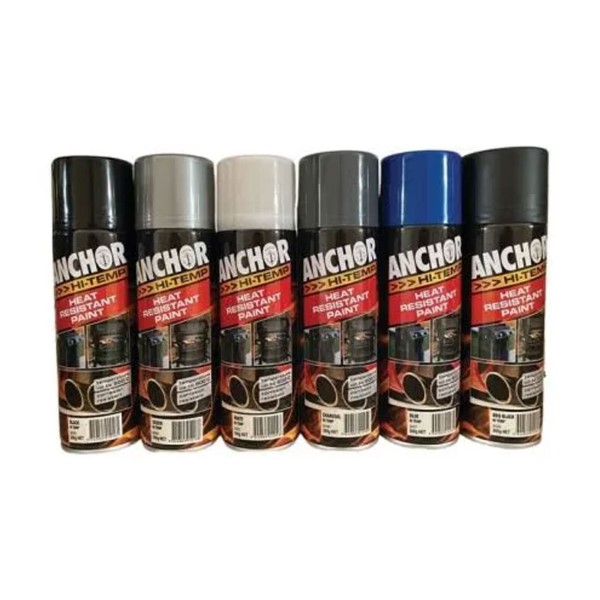
Available in various colors and finishes, such as matte, satin, and gloss, they enhance both functionality and aesthetics.
Strong Adhesion
This type of spray paint adheres well to a range of materials, including metal, ceramics, and certain plastics. The strong bond ensures the coating remains effective under high heat.
Chemical Resistance
Many heat resistant spray paints are designed to handle exposure to chemicals. This feature ensures long-term protection without compromising the surface integrity.
Ease of Application
Heat resistant spray paint comes in aerosol cans for convenient use. It provides an even coating and eliminates the need for brushes or rollers.
Remember to choose a spray paint that matches your project’s temperature and material requirements. Test the product on a small area first to ensure compatibility.
Common Uses
Heat resistant spray paint is versatile and works in many applications. It offers protection and durability for surfaces exposed to high temperatures. Here are some common uses:
Automotive Applications
Heat resistant spray paint is ideal for car exhaust systems, engine parts, and brake calipers. These components endure extreme heat during operation, and this paint helps prevent corrosion, cracking, and discoloration.
Barbecues and Grills
Grills and barbecue surfaces face high heat regularly. Heat resistant spray paint ensures protection and maintains the surface’s appearance.
Fireplaces and Wood Stoves
Fireplaces, chimneys, and wood stoves benefit from heat resistant coatings. These paints prevent damage from high flames and retain their color.
Industrial Machinery
Heat resistant spray paint protects industrial equipment exposed to heat. Boilers, furnaces, and engine parts stay intact and resist overheating or degradation.
Home Improvement Projects
Use heat resistant paint on metal fixtures near heat sources. Examples include radiators, lamps, and outdoor fire pits.
Cooking Equipment
Ovens, baking trays, and cookware can handle high temperatures with heat resistant spray paint. It boosts longevity and maintains appearance.
Outdoor Applications
Outdoor heaters and patio chimineas face high heat regularly. Use spray paint for added durability and protection.
These varied uses show why heat resistant spray paint is valuable for both functional and aesthetic projects. Always match the paint’s temperature rating to your application for optimal results.
Materials Compatible
Heat resistant spray paint works effectively on multiple materials. Its strong adhesion and durability make it ideal for various surfaces exposed to high heat.
Metal Surfaces
Metal is one of the most common materials for heat resistant spray paint. It bonds well to steel, aluminum, iron, and other metals. These paints protect metal from rust, corrosion, and degradation due to high temperatures.
Ceramics
Ceramic materials, often used in fireplaces and stoves, benefit from heat resistant spray paints. They help maintain appearance and prevent cracking under intense heat.
Glass
Some heat resistant spray paints are suitable for glass surfaces. Ensure the paint you choose adheres well and can handle glass expansion from heat.
Plastics
While not all plastics are compatible, certain heat-resistant plastics can be painted with these products. Check compatibility with the plastic type before application.
Concrete
Concrete surfaces exposed to heat, such as chimineas, fire pits, or barbecue areas, can also be coated. The paint minimizes heat-related damage and enhances the surface’s durability.
Brick
Brick fireplaces and outdoor ovens are ideal candidates for heat resistant spray paint. It adds protection and a fresh look to these surfaces.
Wood
Heat resistant spray paint is occasionally suitable for wood surfaces like fire stove surrounds. Check the paint specifications to ensure compatibility and a safe application.
Cooking Equipment
Monitor compatibility before using the paint on items like baking trays or ovens. Some paints are food-safe after curing.
Choosing the right material ensures better performance and longer-lasting protection. Always test a small area first to confirm compatibility with your surface.
How to Apply Heat Resistant Spray Paint Step-by-Step
Applying heat resistant spray paint requires careful preparation and proper technique. Follow these steps to ensure a smooth application and durable results:
Prepare the Surface
- Clean the surface thoroughly to remove dirt, grease, and debris.
- Sand the surface if needed to create a smooth base for the paint.
- Use a degreaser or cleaning solution for metal surfaces to ensure strong adhesion.
- If painting over existing paint, ensure it is compatible with the new spray paint.
Choose the Right Paint
- Select heat resistant spray paint suited for the material and temperature range.
- Check the product label for compatibility with your project’s surface.
- Verify the paint’s curing instructions and ensure it matches your requirements.
Prepare the Area
- Work in a well-ventilated space to avoid fumes.
- Use drop cloths or painter’s tape to protect surrounding surfaces from overspray.
- Wear gloves, goggles, and a mask for safety during application.
Shake and Test the Spray Paint
- Shake the paint can for 1–2 minutes to mix the contents evenly.
- Test the spray on a scrap piece to get a consistent spray pattern.
Apply the Paint
- Hold the spray can 8–12 inches from the surface.
- Apply light, even coats using smooth, sweeping motions.
- Do not spray thick layers as this may cause dripping or uneven drying.
- Allow each coat to dry fully before applying the next layer.
Cure the Paint
- Follow the instructions on the paint can for curing the coating.
- Some paints require heat curing using an oven or equipment.
- Ensure the recommended temperature is maintained for curing.
Inspect and Test
- Check for any missed spots and apply touch-ups if needed.
- Test the painted surface gradually under heat to ensure durability.
By following these steps, your heat resistant spray paint will adhere well and withstand high temperatures effectively. Proper application ensures the coating lasts longer and gives a professional finish.
Best Practices for Long-Lasting Results
To ensure the durability and efficacy of heat resistant spray paint, follow these best practices:
Prepare the Surface Thoroughly
- Clean the surface to remove all dirt, grease, and rust before painting.
- Use sandpaper or a wire brush to smooth rough surfaces and create a clean base.
- For metal, apply a degreaser or cleaning solution to improve paint adhesion.
Choose the Right Paint
- Select heat resistant spray paint designed for your material and temperature requirements.
- Always read the instructions and check compatibility with the surface.
Apply in Thin, Even Coats
- Shake the spray paint can thoroughly to mix the paint.
- Hold the spray can 8–12 inches away from the surface.
- Use sweeping motions for even application. Avoid spraying thick coats.
- Allow each coat to dry before applying the next one.
Ensure Proper Curing
- Follow the paint manufacturer’s curing instructions carefully.
- Some paints may require oven curing or heat application for proper adhesion.
- Gradually expose the painted surface to heat to test durability.
Protect Painted Areas from Harsh Conditions
- Avoid exposing the painted surface to excessive moisture immediately after painting.
- Reapply a maintenance coat if you notice wear and tear over time.
Store Paint Correctly
- Store spray paint cans in a cool, dry place to maintain their quality.
- Keep cans away from direct sunlight and extreme temperatures.
By adhering to these practices, your heat resistant spray paint can offer long-lasting protection and maintain its vibrant finish.
Top Brands and Products to Consider
When selecting heat resistant spray paint, choosing trusted brands is essential. Reliable brands offer quality products that adhere well and endure high temperatures. Below are some top brands and their popular offerings:
Rust-Oleum
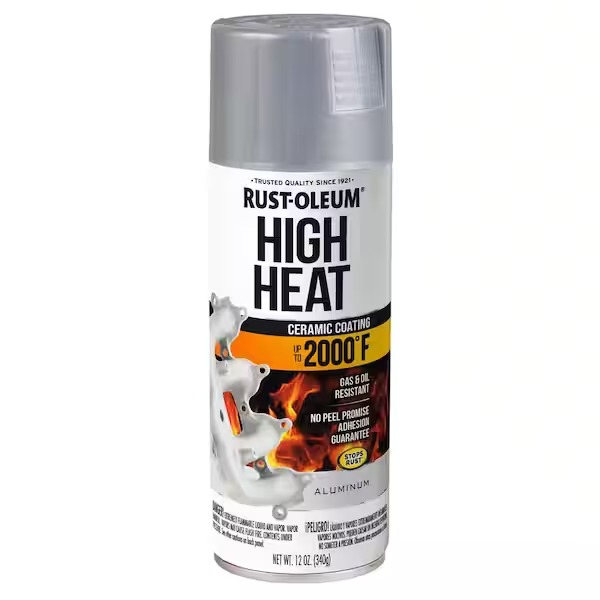
Rust-Oleum provides a wide range of heat resistant spray paints. Their High Heat Enamel is a standout product. It can withstand temperatures up to 1200°F and is perfect for grills and wood stoves. Rust-Oleum paints are known for their durability and smooth finish.
Krylon
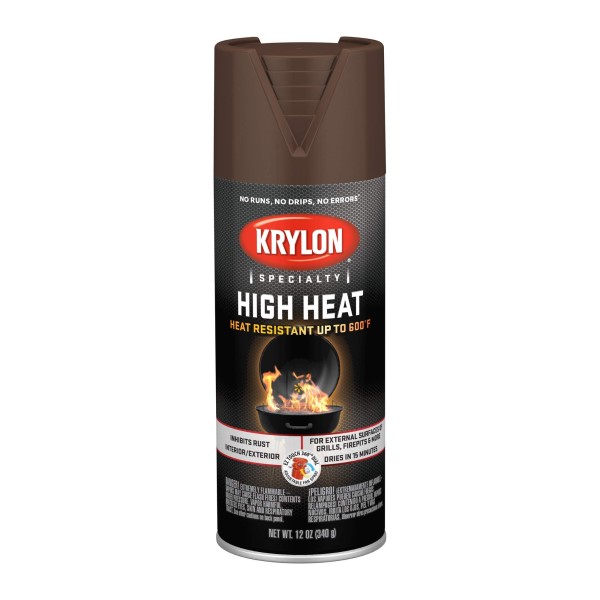
Krylon is another trusted name in spray paints. Their High Heat Max paint is highly rated. It offers resistance up to 1200°F and is available in various colors. Krylon products are easy to apply and deliver excellent coverage.
VHT
VHT specializes in automotive-grade paints. Their Flameproof paint works well for engine parts, exhaust systems, and brake calipers. It can endure temperatures up to 2000°F after curing. VHT products are durable and resistant to peeling.
Dupli-Color
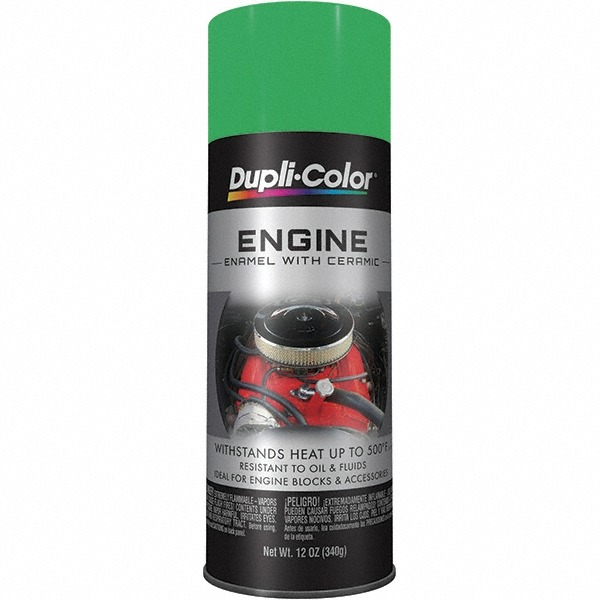
Dupli-Color offers heat resistant spray paints for automotive and industrial use. Their High Heat Coating Paint is suitable for vehicle components exposed to high temperatures. Dupli-Color paints dry quickly and offer long-term protection.
Stove Bright
Stove Bright provides heat resistant paints specifically for fireplaces and stoves. Their high-temperature paint can handle intense heat up to 1200°F. These paints come in a variety of colors to complement home decor.
Eastwood
Eastwood specializes in paints for automotive and machinery parts. Their Heat Resistant Coating is praised for its performance. It is designed for engine and exhaust applications and protects against rust and discoloration.
Seymour
Seymour’s high-temperature spray paints are ideal for industrial machinery. Their 16-1200 Hi-Tech Engine Enamel is highly resistant to heat. Seymour products are appreciated for their strong adhesion and reliability.
PJ1
PJ1 is a popular choice for motorcycle enthusiasts. Their Fast Black Hi-Temp paint is perfect for exhaust systems and engine parts. It offers excellent heat resistance and a sleek finish.
Selecting the right brand helps ensure durability and professional results. Match the paint’s features to your project needs for optimal performance.
Frequently Asked Questions
What is heat resistant spray paint used for?
Heat resistant spray paint is for surfaces exposed to high heat, such as grills or engines.
Can I use heat resistant spray paint on all materials?
No, it works best on metal, ceramics, concrete, wood, glass, and certain plastics. Always check compatibility.
What temperature can these paints withstand?
Most heat resistant spray paints tolerate temperatures from 200°F to over 1200°F.
Do I need to prepare the surface before painting?
Yes, clean and smooth the surface thoroughly for proper paint adhesion.
How many coats should I apply?
Apply multiple thin coats, allowing each to dry completely before the next.
Can I use heat resistant paint for cooking equipment?
Some heat resistant paints can be used, but verify food safety after curing.
Do heat resistant paints fade over time?
Quality paints resist fading, peeling, and cracking even under frequent exposure to heat.
How do I cure heat resistant spray paint?
Follow manufacturer instructions; some require oven baking or heat exposure for curing.
Can I apply it indoors?
Use it in a well-ventilated area to avoid inhaling fumes during application.
Are heat resistant paints available in different colors and finishes?
Yes, they come in various colors and finishes, ideal for both aesthetics and protection.
What safety measures should I follow during application?
Wear gloves, goggles, and use a mask. Work in a ventilated space.
How long does heat resistant spray paint last?
With proper application and maintenance, it can last several years under harsh conditions.
Are all heat resistant spray paints safe for DIY use?
Most are safe and easy to use. Read the label for preparation and application steps.
Can I repaint over old heat resistant paint?
Yes, but ensure surface preparation and check compatibility with the new paint.
Conclusion: Invest in Quality for Longevity
In conclusion, using heat resistant spray paint is an excellent way to protect and beautify surfaces that encounter high temperatures. Whether you’re working on a grill, a fireplace, or embarking on a DIY project, investing in a high-quality heat resistant paint can lead to lasting results. Always remember to take the necessary preparation steps, ensure safety practices, and apply the paint correctly.
By considering the applications, selection criteria, and proper techniques outlined in this guide, you can confidently tackle projects that require heat resistance. Ultimately, reliable heat resistant spray paint helps enhance durability and aesthetics while ensuring safety in your home and beyond. Don’t hesitate; explore your options today and make an informed choice that serves you well for years to come.