Introduction to the Magic of Shadows
The interplay between light and darkness has fascinated humanity for centuries. This fascination culminates in the unique form of expression known as shadow art. Artists use this medium to transform ordinary objects into extraordinary projections. It is a practice that requires patience, observation, and a deep understanding of physics. Furthermore, this art form is accessible to everyone. You do not need expensive materials to begin your journey. A simple light source and a few household items are sufficient.
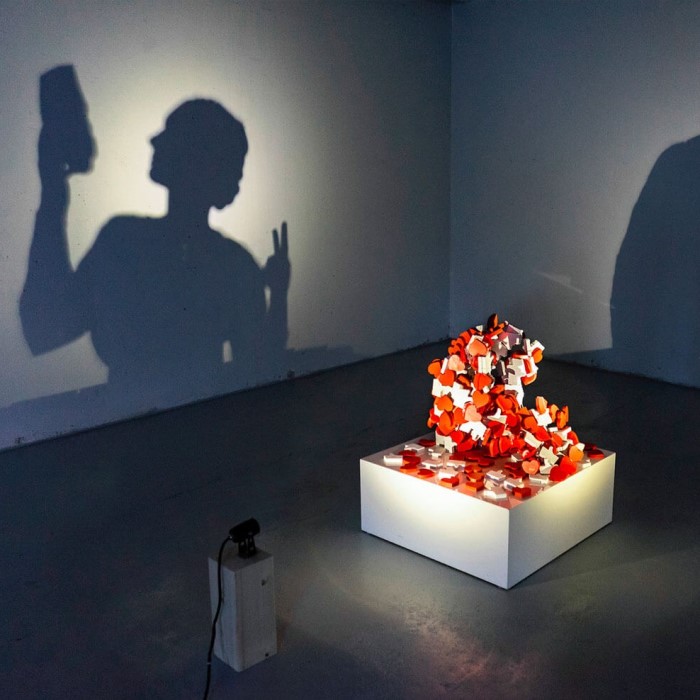
Consequently, it has become a popular activity for both children and professional artists. The allure lies in the transformation. A pile of trash can cast the shadow of a beautiful face. This element of surprise captivates audiences globally. Therefore, understanding the basics is the first step. We will explore the history, techniques, and future of this craft. By the end of this article, you will see the world in a new light. You will understand how to manipulate shadows to tell your own stories.
The Science Behind Light and Perspective
To master shadow art, one must first understand the science of light. Light travels in straight lines until it hits an object. When an object blocks this light, a shadow forms behind it. The size and shape of this shadow depend on several factors. First, the distance between the light source and the object is crucial. Moving the light closer makes the shadow larger and softer. Conversely, moving it away creates a smaller, sharper shadow. Second, the angle of the light changes the length of the shadow.
A low angle creates long, dramatic shadows. A high angle results in short, stumpy shapes. Therefore, artists must manipulate these variables carefully. Furthermore, the type of light source matters significantly. A small, point-like source creates sharp edges. A larger, diffused source creates blurry, soft edges. Understanding these principles allows artists to predict outcomes. They can then design their installations with precision. It is a blend of physics and creativity. Consequently, the results are often mathematically precise yet artistically fluid.

Essential Tools and Materials for Beginners
Starting your journey into shadow art does not require a massive investment. However, having the right tools makes the process smoother. The most important element is the light source. A simple desk lamp or a flashlight works well for beginners. Some artists prefer adjustable LED panels. These allow for changes in color temperature and brightness. Next, you need objects to cast the shadows. Almost anything can serve this purpose. Toys, kitchen utensils, and paper cutouts are common choices.
Additionally, you need a screen or a wall to catch the shadow. A plain white wall is ideal for high contrast. For those wanting to capture their work, a camera is essential. A tripod helps keep the camera steady during long exposures. Furthermore, you might need adhesive putty to hold objects in place. This ensures that your carefully arranged composition does not shift. As you advance, you may explore more complex materials. However, these basic items are enough to start experimenting. The focus should always remain on creativity rather than equipment.
Exploring Hand Shadows and Puppetry
One of the oldest forms of this art is hand shadow puppetry. It is a timeless tradition found in many cultures. This technique uses the human hand to create recognizable shapes. For instance, joining the thumbs and spreading the fingers creates a bird. These simple manipulations can tell complex stories. Therefore, it is a fantastic entry point for children. It teaches them dexterity and anatomy. Furthermore, hand shadows require no equipment other than a light source. This makes it a perfect travel activity.
You can perform anywhere with a wall and a light. To improve your skills, practice making specific animals. A dog, a rabbit, and a swan are classic shapes. You can combine two hands to make larger figures. Additionally, using props like hats or glasses adds character. The key is to experiment with finger positions. Small adjustments can completely change the identity of the shadow. Consequently, the possibilities are virtually endless. This low-barrier form of art encourages spontaneous creativity.
Creating Complex Sculptures for Shadow Projection
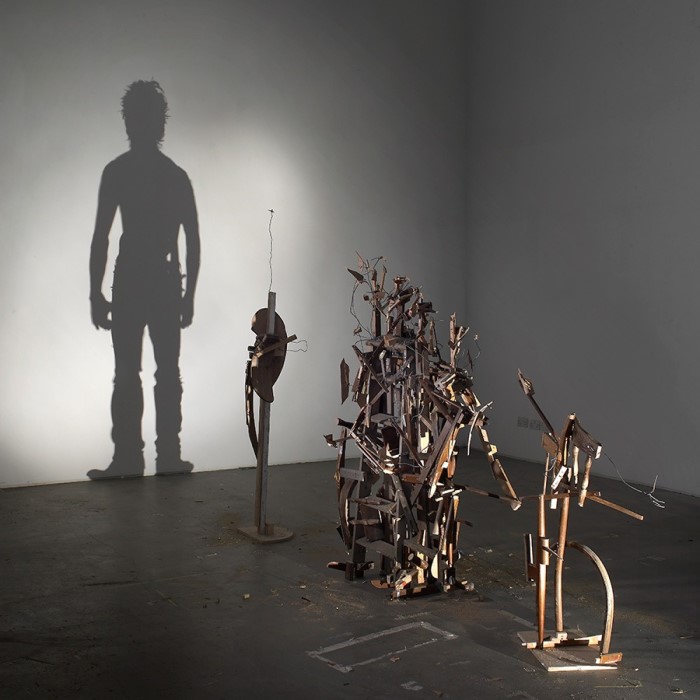
While hand shadows are fun, shadow art can reach incredible levels of complexity. Artists like Tim Noble and Sue Webster have pioneered this approach. They create piles of seemingly random trash. However, when light hits the pile, a perfect shadow portrait appears. This requires advanced planning and engineering. First, the artist decides on the desired shadow image. Then, they work backward to construct the object. This is a reverse engineering process. Consequently, it involves a lot of trial and error.
You must place objects precisely to block specific light rays. Even a millimeter of error can distort the shadow’s nose or eye. Therefore, patience is the most valuable tool here. Artists often use welding or gluing to secure the final structure. The result is a dual artwork. The physical object is one piece of art. The shadow is the second piece. This duality challenges the viewer’s perception of reality. It forces us to look beyond the surface. It demonstrates that meaning is often hidden in the shadows.
The Role of Digital Technology in Modern Shadow Work
Technology has opened new doors for shadow art enthusiasts. Digital projectors allow for precise control over light shapes. Artists can project digital images onto objects. This creates a hybrid form of art. Furthermore, 3D modeling software helps in planning complex installations. You can simulate light sources within a computer program. This saves hours of physical labor. You can test angles and object placements virtually. Consequently, the actual construction becomes much faster.
Additionally, laser cutting technology enables intricate paper designs. Artists can cut detailed patterns that would be impossible by hand. These paper cutouts cast incredibly delicate shadows. The precision of technology enhances the organic nature of shadows. It creates a beautiful contrast between the digital and physical worlds. Moreover, smart bulbs can change color on command. This allows for dynamic shadow displays. An artwork can shift from a day scene to a night scene instantly. These tools are pushing the boundaries of what is possible. They make the art form more accessible to those with digital skills.
Step-by-Step Guide to Your First Project
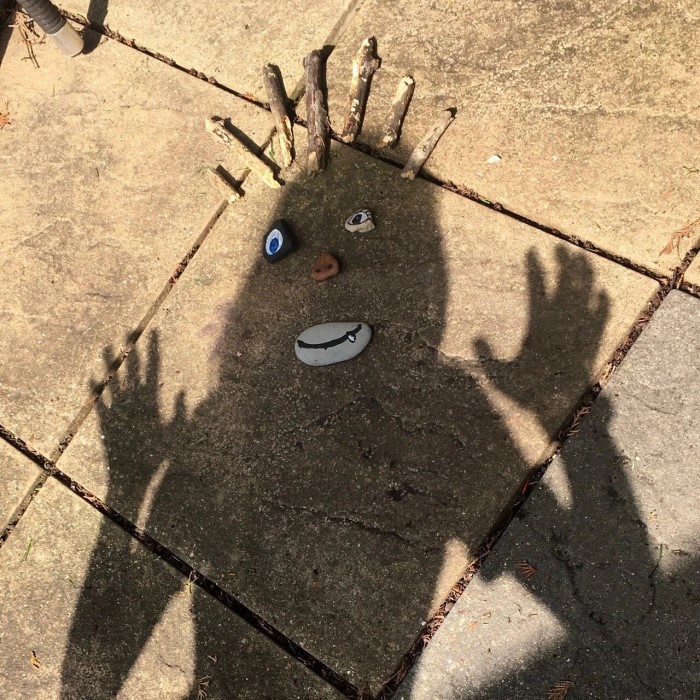
Are you ready to create your own shadow art? Here is a simple guide to your first project. First, choose a simple subject. A profile of a face is a great starting point. Second, gather your materials. You will need cardboard, scissors, and a lamp. Third, cut the profile out of the cardboard. This creates a solid silhouette. Fourth, set up your lamp. Aim it at a blank wall. Fifth, hold the cardboard between the lamp and the wall. Move it back and forth to focus the shadow. Notice how the shadow changes size.
Next, try adding depth. Instead of a flat piece of cardboard, crumple some paper. Place it in front of the cardboard. See how the shadow texture changes. Experiment with different distances. Furthermore, try using multiple light sources. This can create overlapping shadows. You can tell a story with these layers. Remember to document your work. Take photos of your favorite setups. Share them with friends or on social media. The most important step is to have fun. Do not worry about perfection. The goal is to explore and learn.
Frequently Asked Questions About Shadow Art Techniques
Many enthusiasts have questions about expanding their craft. Some look into mold-making for creating custom objects. Here are answers to common technical queries.
How can I make silicone molds at home?
You can make silicone molds using a two-part silicone kit. Mix the components thoroughly. Then, pour the mixture over your master object in a containment box. Let it cure for 24 hours before removing the object.
Is there a way to make silicone molds?
Yes, there are several methods. The most common way is using tin-cure or platinum-cure silicone rubber. You can also use silicone caulk mixed with cornstarch for a cheaper, though less durable, alternative.
What material to make a mold for silicone?
You can use almost any solid object as a master mold. Plastic, wood, and clay work well. However, you must ensure the object is clean. Some porous materials like wood might need a sealant first.
Can a 3D printer make a silicone mold?
A 3D printer cannot directly print silicone. However, you can 3D print a master model. You then use this printed model to create a silicone mold. Alternatively, you can print a rigid mold box and pour silicone into it.
Conclusion: Embracing the Beauty of Darkness
Shadow art is a profound reminder of the beauty in darkness. It teaches us to look at the world differently. We learn that what we see is not always the whole story. There is always more beneath the surface. This art form combines science, logic, and pure imagination. It is a discipline that rewards patience and observation. Whether you are making simple hand puppets or complex sculptures, the joy is the same. It is the thrill of creation. Therefore, find a light source today. Start experimenting with the objects around you. You might be surprised by what you discover. The world is full of shadows waiting to be brought to life.