The Origins of Origami: A Historical Perspective
Origami, the captivating art of paper folding, enthralls people across the globe. But where did origami originate? This question invites us to delve into a rich tapestry that intertwines various cultures and historical developments. As we trace the roots of origami, we discover its evolution from practical beginnings into a revered art form that has evolved over centuries.
The genesis of origami can be traced back to the invention of paper in ancient China. The introduction of paper occurred around 105 CE, largely attributed to Cai Lun, a court official who pioneered the production of paper from plant fibers. By the end of the Han Dynasty, paper was becoming widespread, and it was during this time that the earliest forms of folding began to develop.
The Chinese Influence on Origami
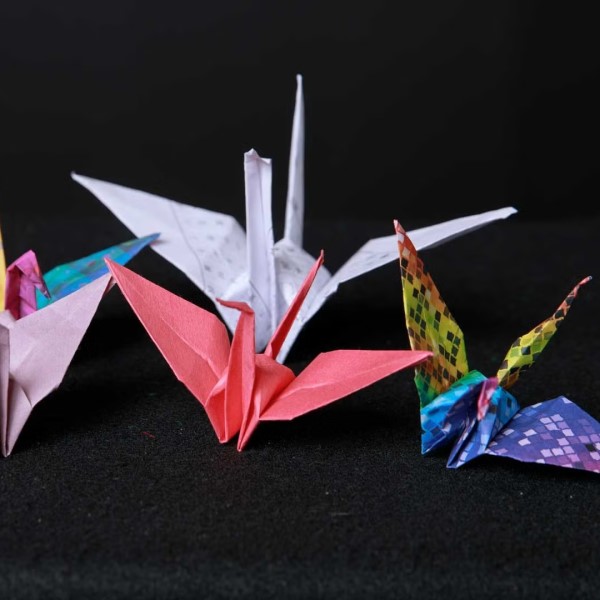
Within China’s cultural landscape, the practice of folding paper took on several roles, ranging from ceremonial functions to educational tools. Scholars used folded paper in religious ceremonies, while children folded it as a play activity. This initial exploration of folding techniques laid the foundation for what would become known as origami.
However, while the Chinese contributed to the development of paper folding, the art became significantly more refined as it made its way to Japan. The journey of origami began in earnest over 1,400 years ago when paper was introduced to Japan by Buddhist monks. They recognized the potential for paper folding in spiritual practice, leading to the gradual emergence of a distinct style that would define Japanese origami.
The Arrival of Origami in Japan
When analyzing where did origami originate, Japan’s role is crucial. Initially known as “orikata,” the term for folding in Japanese encompasses a range of techniques for using this new medium. The Japanese embraced both the material itself and its applications. Over the centuries, origami evolved from a niche practice into an art form that permeated various aspects of Japanese culture.
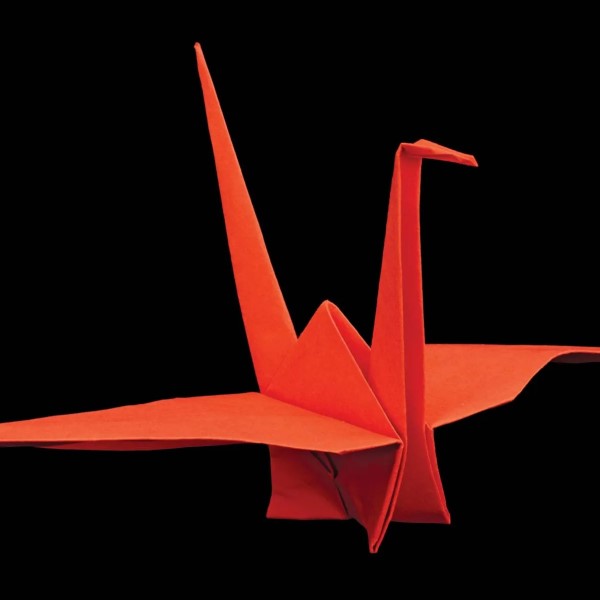
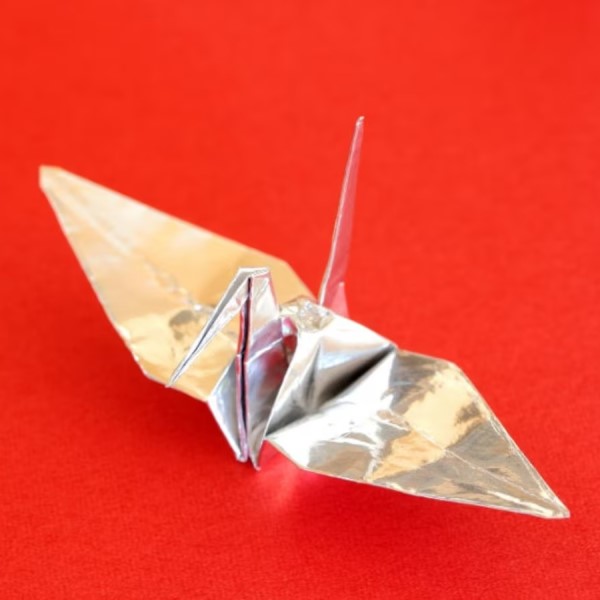
By the Heian period (794-1185), origami gained popularity among the aristocracy, leading to designs that not only showcased skilled engineering but also cultural symbolism. Traditional origami reflects values such as harmony and beauty, with designs representing significant cultural elements like the crane, which symbolizes peace and longevity.
Traditional Japanese Origami Techniques
Understanding the various techniques utilized in Japanese origami is vital to appreciate its depth. Techniques such as “mountain folds” and “valley folds” serve as the backbone for complex designs. These basic folding steps can lead to stunning results, transforming a simple square of paper into intricate models.
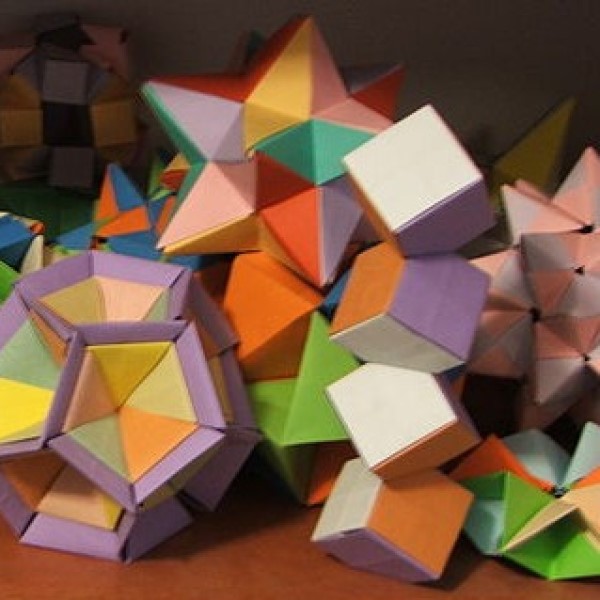
One hallmark of traditional origami is the creation of modular designs, where multiple units are folded separately and then assembled into a cohesive structure. This method demonstrates how origami can serve not only as an expressive art form but also a collaborative activity. Moreover, many of the patterns and designs of traditional origami reflect the aesthetics of Japanese culture, highlighting the connection between art and tradition.
The Evolution of Origami into Modern Times
As we progress into the 20th and 21st centuries, the world witnessed a renaissance of interest in origami. Artists began to innovate and transcend the boundaries of traditional design, pushing origami into new realms. A pivotal figure in this movement was Akira Yoshizawa, who is credited with developing not only new folding techniques but also the first systems for diagramming origami models. His work popularized origami in the West and laid the groundwork for contemporary origami practices.
Yoshizawa’s impact on origami extends beyond mere aesthetics. He imbued his creations with a sense of narrative and emotion, changing how people perceive paper folding. This evolution from a simple pastime to a sophisticated art form highlights how the core question of where did origami originate connects to broader cultural contexts.
The Globalization of Origami
Emergence of Global Interest
- Technological Advancement: As technology evolved, so did the avenues through which ancient crafts like origami could be shared and appreciated. The rise of the internet brought forth unprecedented access to a wealth of information, allowing enthusiasts from all over the globe to explore origami.
- Worldwide Admiration: Origami transcended its cultural origins and gained admirers in various countries. People began to appreciate not just the art itself but also the diverse techniques and styles that different cultures contributed to the craft.
- Online Platforms: Social media platforms and instructional websites became essential resources for aspiring origami artists. Online tutorials, blogs, and videos made it easier for beginners to learn the fundamentals and for experienced practitioners to share advanced techniques.
Cultural Perspectives and Creativity
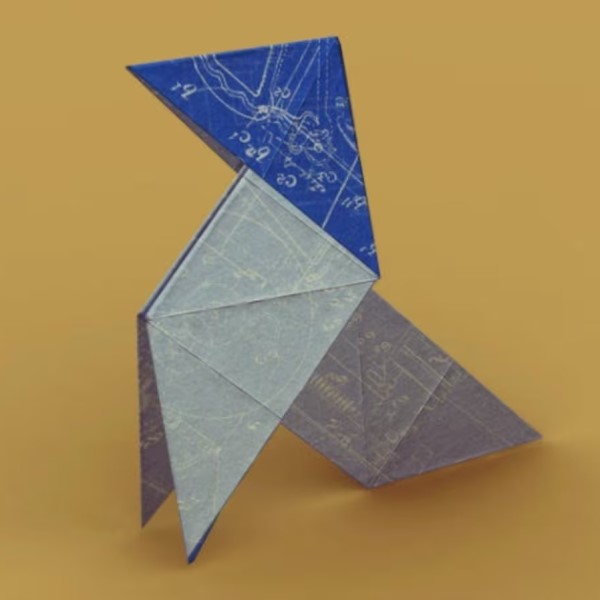
- Adoption by Diverse Backgrounds: As more individuals engaged with origami, they brought their unique cultural perspectives to the craft. This led to innovative interpretations and adaptations of traditional designs, marrying global influences with local traditions.
- Artistic Expressions: The increased access to origami techniques encouraged artists to use this craft as a means of personal expression. Unique designs began to emerge, reflecting individual creativity and the diverse backgrounds of their creators.
- Community Building: Online forums and social media groups dedicated to origami flourished, fostering a sense of community among practitioners. These spaces offered support, inspiration, and shared enthusiasm for the art form, making origami more accessible to a broader audience.
The Surge of the International Origami Movement
- Popularity in the Late 20th Century: The late 20th century saw a dramatic increase in the popularity of origami worldwide. Public interest in crafting and DIY projects helped fuel this surge, drawing in artists from a variety of disciplines.
- Conventions and Workshops: As the movement gained momentum, numerous conventions and workshops began to take place globally. These events became platforms for artists to meet, exchange ideas, and collaborate on innovative designs.
- Cross-Cultural Exchange: Participation in international gatherings enriched the origami community by facilitating the sharing of techniques from different cultures. This exchange of ideas not only revitalized traditional designs but also sparked new creative directions for origami.
- Enrichment of Techniques: The fusion of different cultural techniques led to the development of unique hybrids, which further expanded the possibilities of origami design. As artists learned from one another, the craft became a continual source of innovation, pushing the boundaries of what could be achieved with paper folding.
Applications Beyond Personal Creativity
- Education as a Learning Tool: In educational contexts, origami has been recognized for its effectiveness as a hands-on learning tool. Educators utilize origami to teach important concepts such as geometry, symmetry, and spatial awareness.
- Enhancing Engagement: By incorporating origami into the curriculum, teachers can engage students more effectively. The interactive nature of folding paper fosters creativity while making abstract concepts more tangible and easier to understand.
- Innovations in Healthcare: In healthcare, origami has found applications in medical devices and instruments. The ability to fold complex structures compactly has inspired designs for items like stents and surgical tools, improving their functionality and usability.
- Engineering and Robotics: The principles of origami are increasingly being applied in engineering disciplines, particularly in the design and mechanics of folding structures. Robotic engineers are exploring origami-inspired designs for robots that can fold and unfold, enabling new types of movements and interactions.
- Environmental Impact: Origami’s potential for creating efficient designs aligns well with sustainable practices. By using origami principles, engineers can develop structures that minimize material waste, promoting environmentally-friendly innovations in construction and product design.
FAQs About Origami
Where did origami first originate?
Origami first originated in ancient China, where the earliest records of paper folding exist. However, it significantly developed and flourished in Japan, where it became a highly refined art form.
Is origami Chinese or Japanese?
Origami has roots in both Chinese and Japanese cultures. While it started in China, it was in Japan where the practice was transformed into what we recognize today as an art form.
Which country is known for origami?
Japan is widely recognized for its development and popularization of origami as an art form, with many unique techniques and styles originating from Japanese tradition.
Is origami a traditional Japanese art?
Yes, origami is considered a traditional Japanese art form. It has deep cultural significance in Japan, embodying aesthetic values and philosophies that resonate still today.
Conclusion: The Continuing Legacy of Origami
In conclusion, the journey of where did origami originate leads us through a fascinating historical landscape filled with cultural exchange and innovation. While its origins can be traced back to ancient China with the birth of paper, it was Japan that embraced and nurtured the art, creating a unique form that resonates with beauty and tradition.
Today, origami continues to inspire creativity and cross-cultural dialogue. It remains a powerful medium capable of transcending borders, as demonstrated by its global popularity and diverse applications. Understanding the origins of origami deepens our appreciation for its artistry and complexity, highlighting how this ancient practice connects with modern creativity and scientific exploration.
Ultimately, origami is more than a mere craft; it is a meaningful artistic expression that embodies the values of patience, precision, and imagination. As we fold paper into intricate shapes, we engage not only with a physical medium but also with a rich cultural narrative that connects us to the past and inspires future generations. In this way, origami remains a vibrant part of our global heritage, continually evolving while retaining its historical essence.