Introduction
Texture painting on canvas has garnered significant attention in recent years, captivating artists and art enthusiasts alike. This technique provides a unique opportunity to enhance visual interest and depth in artwork, allowing creators to experiment with various materials and methods. Whether you’re a seasoned artist or a beginner, incorporating texture into your paintings can elevate your art and engage your audience. In this article, we will explore texture painting on canvas, discuss the latest trends, and share inspiring ideas to help you unlock your creativity.
Understanding Texture Painting
What is Texture Painting?
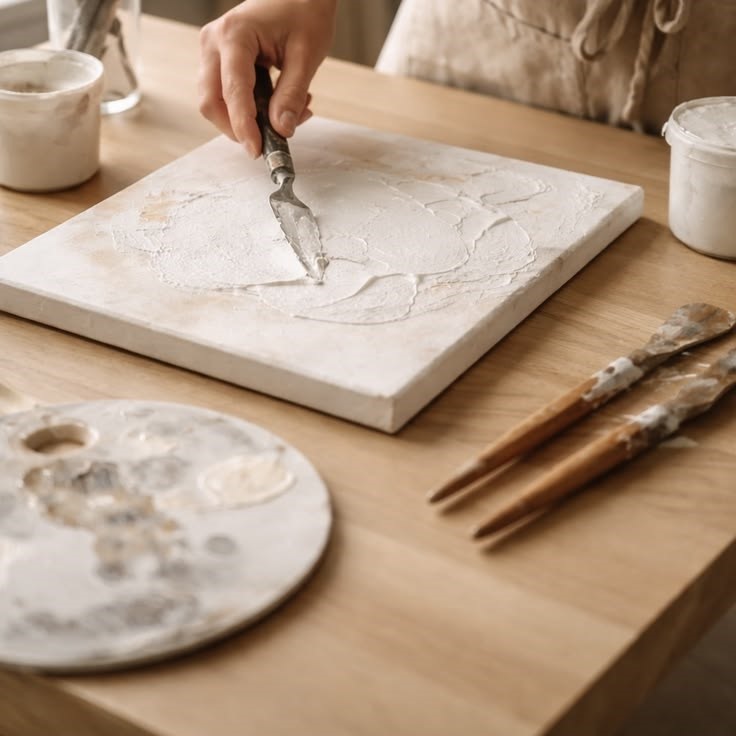
Texture painting is a technique that involves creating a tactile surface on a canvas using various materials and tools. Unlike standard painting, which typically focuses solely on color and form, texture painting emphasizes the physical feel of the artwork. By incorporating texture, artists can add depth and dimension, making their pieces more dynamic and visually engaging.
- Tools and Materials:
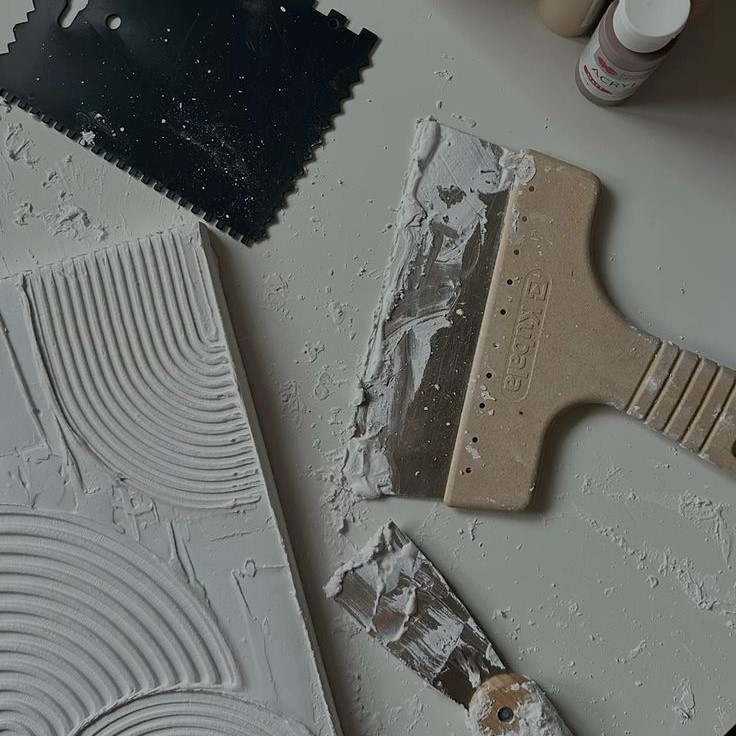
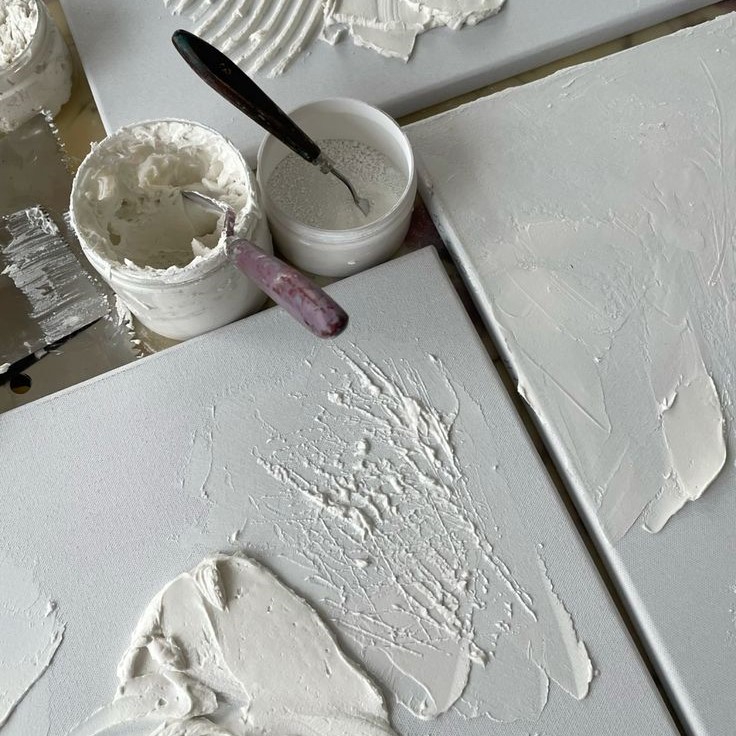
Common materials used in texture painting include acrylic paints, gels, pastes, and mediums that can be mixed or applied directly to the canvas. Tools such as palette knives, sponges, and brushes enable artists to manipulate and shape the texture in various ways.
Why Use Texture in Art?
Incorporating texture into art serves several purposes. First, it draws the viewer’s eye, encouraging exploration of the artwork. Texture can evoke emotional responses, making a piece feel more alive or relatable. Moreover, it enhances the overall composition, creating contrasts between different elements of the painting. Whether for aesthetic or emotional reasons, texture has become a key component in modern art.
Latest Trends in Texture Painting
Mixed Media Techniques
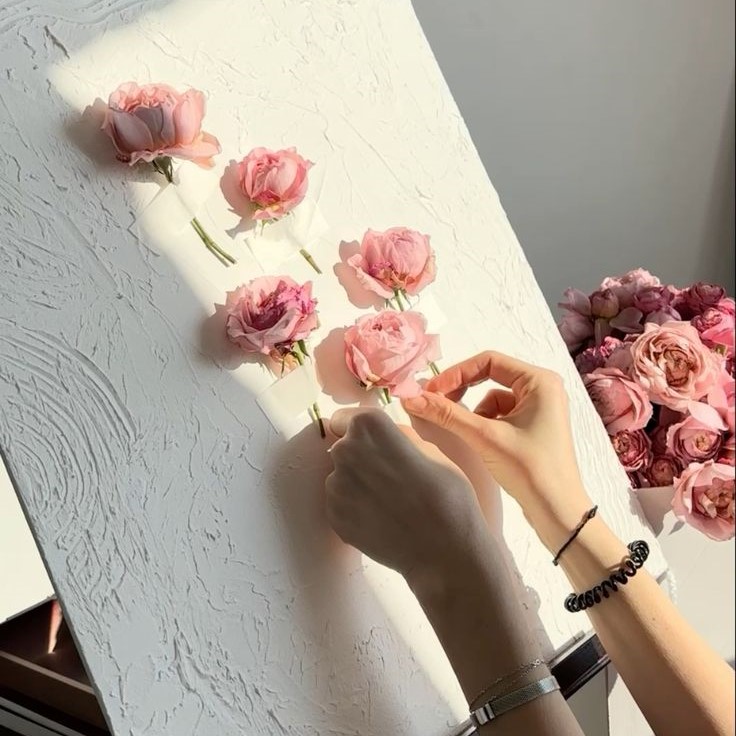
One of the most exciting trends in texture painting is the integration of mixed media. Artists are increasingly combining traditional painting methods with unconventional materials such as fabric, paper, and found objects. This approach not only enhances texture but also invites creative problem-solving and innovation.
- Incorporating Natural Elements:
Utilizing organic materials such as leaves, twigs, or stones adds depth and an earthy aesthetic to the artwork. This trend reflects a growing appreciation for nature, encouraging artists to connect with their environment through their work.
Three-Dimensional Effects
Another emerging trend in texture painting involves creating three-dimensional effects, pushing the boundaries of traditional canvas art. Artists are using heavy-body acrylics or modeling paste to build up layers that create depth and dimension.
- Creating Depth:
By strategically applying these materials, artists can create dramatic landscapes or abstract forms that appear to leap off the canvas. This trend resonates with viewers, capturing their attention and providing a unique visual experience.
Textured Backgrounds
Textured backgrounds have also become a popular focus in texture painting. Rather than a flat, smooth surface, artists are opting for intricate backgrounds that enhance the overall aesthetic of their work.
- Layering Techniques:
Layering different mediums or techniques to create a complex background can elevate the focal point of the artwork and add intrigue. This method encourages artists to inventively explore color and surface quality.
Artistic Inspirations and Ideas
Experimenting with Technique
For artists seeking inspiration, experimenting with different texture painting techniques can be a rewarding endeavor. Consider trying out the following ideas to spark creativity:
Palette Knife Painting
- What is Palette Knife Painting?:
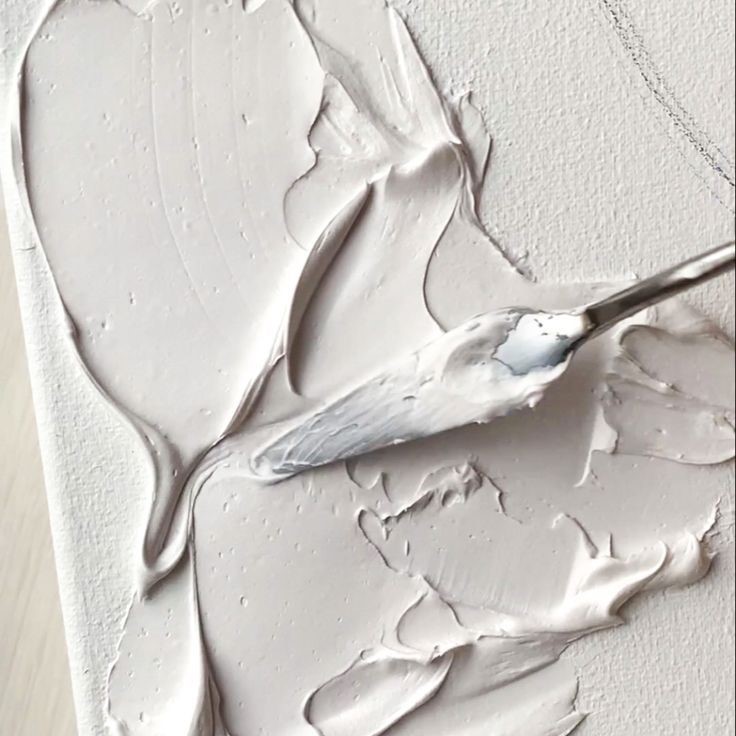
Palette knife painting involves the use of a flexible blade-like tool to apply and manipulate paint on a canvas. Unlike traditional brushes, palette knives allow for more control over texture and can produce unique effects that enhance the overall artwork. - Creating Bold, Expressive Textures:
One of the key advantages of using a palette knife is the ability to create bold and expressive textures. The knife’s rigid blade can lift paint off the palette and spread it across the canvas in thick layers, producing dramatic and eye-catching surface qualities. This technique allows for an immediate impact, making it ideal for artists seeking to convey strong emotions or energy in their work. - Experimenting with Layering:
Layering paint is essential in palette knife painting. Artists can apply a base layer and allow it to dry before adding subsequent layers. This method increases the depth and dimension of the artwork. Layering different colors and textures can create subtle nuances that enrich the overall composition. - Blending Colors for Dynamic Effects:
Palette knives can also be used for blending colors on the canvas. By dragging the knife through wet paint, artists can smoothly combine hues, creating gradients or vibrant mixtures. This technique allows for an exploration of transitional colors, enhancing the visual interest of the painting. - Using Different Techniques:
Artists can explore various techniques with a palette knife, such as scraping, smudging, or scratching into dried layers. Each technique produces distinct effects, offering endless possibilities for creativity. For instance, scraping away a layer of paint can reveal the colors underneath, adding texture and complexity to the work. - Versatility Across Mediums:
Palette knife painting is versatile and can be applied to different types of paints, including oils and acrylics. Each medium responds differently to the knife, allowing artists to explore unique textures and finishes based on their chosen materials.
Stamping and Imprinting
- What are Stamping and Imprinting?:
Stamping and imprinting are techniques that involve pressing an object onto the canvas to create designs or patterns. This method can utilize various tools, such as rubber stamps, textured rollers, or even found objects like leaves and fabric. - Adding Unique Designs and Patterns:
By incorporating stamps or textured materials, artists can introduce intricate designs that are difficult to achieve through traditional painting methods. This technique can add layers of interest and complexity to a piece, making it more visually engaging. - Exploration of Various Textures:
Stamping allows for experimentation with texture. Different materials can produce distinct impressions, enabling artists to add a personal touch to their artwork. For example, using a crumpled fabric stamp can create a soft, abstract texture, while a firmer object might produce sharper lines. - Creating Repeated Patterns:
One of the significant advantages of stamping is the ability to create repeated patterns on the canvas. This systematic approach can contribute to a cohesive design throughout the artwork. Artists can mix and match stamps to build dynamic patterns and ensure harmony in their compositions. - Incorporating Mixed Media:
Stamping and imprinting fit well within mixed media practices, where artists incorporate different styles and materials into their work. By combining paint with stamped designs, artists can achieve richly layered effects that tell a more complex story. - Encouraging Spontaneity and Creativity:
The unpredictable nature of stamping can inspire spontaneity in the creative process. Artists may discover unexpected results through this technique, leading to new ideas and directions for their artwork. Embracing these surprises fosters greater creative expression and innovation.
Embracing Color and Texture
Combining color and texture is a powerful approach in modern art. Artists can create striking contrasts through color choices, enhancing the visual impact of textured elements.
- Vibrant Color Palettes:
Utilize bright hues alongside textured applications to create eye-catching dynamics that engage viewers. Bold colors can accentuate texture, making it a focal point in the artwork.
Practical Tips for Texture Painting on Canvas
Preparation and Surface Choices
Before diving into texture painting, it’s essential to prepare your canvas. Choosing the right surface can greatly impact the outcome of your artwork.
- Selecting the Right Canvas:
For texture painting, a thicker canvas or a wood panel often works best, as they can support heavier applications of paint and materials. This choice ensures your artwork maintains its integrity over time.
Layering and Drying
When working with texture techniques, patience is key. Allow each layer to dry before applying additional materials to avoid muddying colors and compromising texture quality.
- Building Layers Methodically:
Start with thinner layers and gradually build up thickness for a more controlled and visually striking outcome. This method allows for experimentation and adjustment as you move forward with your artwork.
FAQs About Texture Painting on Canvas
What do you use for texture painting on canvas?
Texture painting on canvas can involve materials like acrylic paints, modeling paste, gels, and other mixed media items. Artists often use tools like palette knives, brushes, or sponges to create varied textures.
What is a textured paint style called?
A textured paint style is often referred to as “impasto.” This technique involves building thick layers of paint to create dimension and depth, commonly used in texture painting.
Is texture art easy for beginners?
Texture art can be accessible for beginners, especially with the use of acrylic paints and readily available tools. As techniques are flexible, newcomers can experiment comfortably and learn from their creations.
What are the 4 types of texture in art drawing?
The four types of texture in art drawing are tactile texture (physical texture you can feel), visual texture (an illusion of texture), simulated texture (created to appear like real texture), and abstract texture (a non-representational approach).
Conclusion: Exploring the World of Texture Painting
In conclusion, texture painting on canvas offers a plethora of creative opportunities for artists of all skill levels. Embracing the latest trends and inspirations not only enhances your artistic capability but also invites viewers into a more engaging and tactile experience. By experimenting with mixed media, creating three-dimensional effects, and focusing on textured backgrounds, artists can push the boundaries of what texture can achieve in their work.
As you embark on your journey into texture painting, remember to explore, innovate, and enjoy the process. The textures you create can convey emotions and stories that resonate deeply with your audience. Let the art of texture painting inspire you, and watch your canvas transform into a world filled with depth, dimension, and beauty. Embrace the advantages of this technique and explore how it can elevate your artistic expression!