
Introduction: What is the Paper Clip Method?
In today’s fast-paced world, effective organization is more critical than ever. Balancing personal and professional responsibilities can often feel overwhelming, leading to stress and decreased productivity. However, what if a simple method could be the key to streamlining your tasks and enhancing your productivity? Welcome to the paper clip method. This innovative approach uses the paper clip—a common office item—as a metaphor and a practical tool for managing tasks more effectively. In this article, we’ll explore the intricacies of the paper clip method, its implementation, and the numerous benefits it offers for both personal and professional organization.

Understanding the Basics
The Concept Behind the Method
At its core, the paper clip method is an organizational strategy that focuses on grouping tasks into manageable categories. It incorporates the idea of using a paper clip to hold together related activities in one cohesive unit. Just as a paper clip keeps various sheets of paper organized, individuals are encouraged to group similar tasks together. This strategy not only simplifies the process but also allows individuals to concentrate on one segment of their workload at a time.
- Organization as a Foundation:
Organization serves as the foundation for productivity. By compartmentalizing tasks, the paper clip method enables you to visualize your workload. This visualization makes it easier to focus on one category before moving on to the next, enhancing your efficiency.
The Symbolism of the Paper Clip
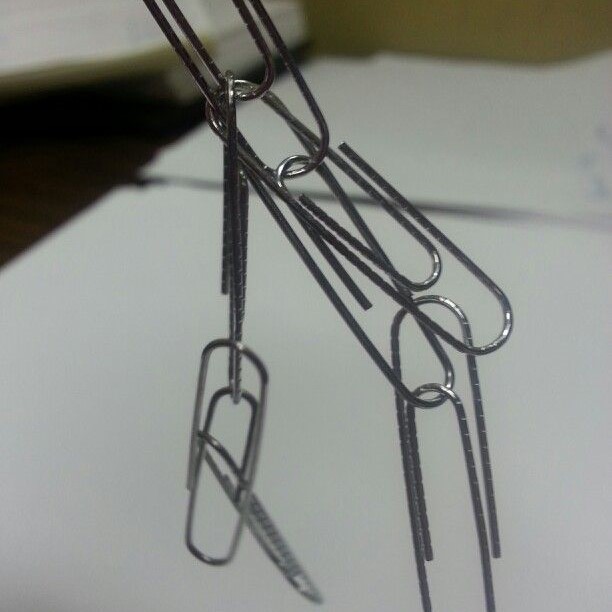
The paper clip is more than just a functional item; it symbolizes flexibility and adaptability. Unlike rigid systems that may confine your workflow, the paper clip method allows you to adjust your organization strategy as priorities change. This adaptability is particularly beneficial in environments where tasks frequently shift, enabling you to remain agile.
- Encouraging a Growth Mindset:
Viewing the paper clip as a symbol of resilience encourages a growth mindset. In challenging situations, just as a paper clip can bend without breaking, individuals can learn to adapt and overcome obstacles. This perspective fosters a proactive approach to managing responsibilities.
Implementing the Paper Clip Method in Daily Life
Step 1: Identify Tasks and Categories
The first step in utilizing the paper clip method is to identify the tasks you need to complete. Take a moment to write down all your responsibilities and then categorize them based on similarity. For example, you might group tasks into categories such as work-related responsibilities, personal errands, and long-term projects.
- Creating Categories:
Categorizing tasks helps clarify areas in your life that need attention. This organization method mimics how a paper clip holds related papers together, providing a structured layout for your responsibilities.
Step 2: Prioritize Your Tasks
Once you have categorized your tasks, the next crucial step is prioritization. Determine which tasks are most urgent or important and assign them a priority level. You might use a basic scale, such as high, medium, or low priority, to help with this process.
- Setting Clear Priorities:
Clear priorities help you focus your energies effectively. Tackling high-priority tasks first ensures that critical deadlines are met and essential responsibilities are addressed promptly.
Step 3: Create a Visual Representation
Visual aids can enhance the effectiveness of the paper clip method. Consider creating a visual representation of your categorized tasks—this could be a digital tool like a project management application or a physical representation using sticky notes on a whiteboard.
- Visual Cues for Organization:
This visual representation mimics the way paper clips group papers, allowing for a quick glance at related tasks. By seeing everything laid out in front of you, it is easier to tackle tasks based on urgency and importance.
Step 4: Set Deadlines and Checkpoints
Incorporating deadlines for each task or category is essential. Assign specific timelines for when each task should be completed. Additionally, establish checkpoints where you can assess your progress.
- Maintaining Accountability:
These deadlines and checkpoints help maintain accountability and ensure that you are on track with your goals. Adjustments can be made as necessary, reflecting the flexibility embodied by the paper clip.
Enhancing Workplace Efficiency
Application in Professional Settings
The paper clip method goes beyond personal organization; it can significantly enhance workplace efficiency. Teams can adopt this approach to manage projects collaboratively, facilitating group productivity.
- Collaborative Task Management:
Within a team setting, tasks can be categorized and prioritized collectively. This transparency promotes accountability and ensures that team members are aligned on their responsibilities, mirroring the way a paper clip binds related documents.
Task Delegation and Collaboration
In professional environments, effective task delegation becomes critical. The paper clip method facilitates understanding which tasks can be delegated or shared among team members, allowing for efficient collaboration.
- Identifying Overlaps:
By organizing tasks into categories, team members can identify areas where they can work together. This synergistic approach can improve overall productivity and foster a collaborative workplace culture.
The Psychological Aspects of Organization
Reducing Anxiety and Stress
One of the often-overlooked benefits of the paper clip method is its positive impact on mental health. By organizing thoughts and tasks, individuals can reduce feelings of anxiety and overwhelm. When responsibilities are clearly outlined and manageable, a sense of control emerges.
- Mental Clarity:
Clarity in task management allows individuals to focus on completing responsibilities without being overloaded. Thus, the paper clip serves as a reminder that everything can be organized effectively for a smoother workflow.
Encouraging Mindfulness and Focus
Moreover, implementing the paper clip method encourages mindfulness. Focusing on one category of tasks at a time diverts attention from distractions and promotes deeper engagement with each activity.
Enhanced Concentration:
Importance of Focused Work:
Enhanced concentration is crucial in today’s fast-paced environment, where distractions are abundant. A focused approach allows individuals to eliminate unnecessary interruptions and direct their energy toward specific tasks or categories, thus increasing productivity.
Greater Attention to Detail:
When individuals concentrate on a single task or category, they can devote their full attention to it. This heightened awareness leads to more meticulous work and greater accuracy. Paying close attention to details is essential in producing high-quality outputs, whether in professional assignments or personal projects.
Improved Task Completion Rates:
Focusing on specific categories enables individuals to break their workloads into manageable segments. This segmentation means they can complete tasks more efficiently, ultimately improving their overall completion rates. As each task is finished, individuals experience a sense of accomplishment, which adds to their motivation.
Quality Over Quantity:
With increased concentration, the emphasis shifts from merely completing tasks to delivering quality results. Individuals who focus deeply on their work can think critically and creatively, leading to innovative solutions and superior outputs. This emphasis on quality not only enhances personal satisfaction but also contributes positively to workplace reputation.
Motivation and Engagement:
Concentrating on specific categories fosters a sense of engagement with the work at hand. As individuals immerse themselves in particular tasks, they become more invested and interested. This increased engagement enhances motivation, resulting in a more positive attitude towards completing tasks and tackling new challenges.
Reduced Stress Levels:
A focused approach can also lead to reduced stress. When individuals concentrate on one task at a time, they prevent themselves from feeling overwhelmed by trying to manage multiple responsibilities simultaneously. This reduction in stress levels can contribute to better mental health and overall well-being.
Establishing Routines and Habits:
By regularly practicing focused work through the paper clip method or similar techniques, individuals can build positive habits around concentration. These routines can make it easier over time to enter a productive mindset, reinforcing a cycle of focus and productivity that benefits all areas of life.
Enhanced Problem-Solving Skills:
Concentrating on specific categories improves an individual’s ability to identify problems within tasks. This focused attention fosters critical thinking, allowing individuals to analyze issues more effectively and come up with practical solutions. Improved problem-solving skills lead to greater efficiency and effectiveness in various endeavors.

FAQs About the Paper Clip Method
What is the paperclip method in dating?
The paperclip method in dating refers to a strategy for keeping track of potential romantic interests and managing interactions in relationships. It encourages individuals to organize dates and conversations, facilitating smoother relationship development.
What is the paper clip method?
The paper clip method is an organizational strategy that involves categorizing tasks and prioritizing them to enhance focus and productivity. This method leverages the symbolism of a paper clip to promote flexibility and adaptability in task management.
What is the paperclip method in psychology?
In psychology, the paperclip method may relate to using simple organizational principles to alleviate cognitive overload. It helps individuals manage tasks and streamline mental processes to reduce anxiety and improve productivity.
What is the paperclip strategy?
The paperclip strategy involves utilizing a metaphorical paper clip to organize tasks and responsibilities efficiently. It emphasizes grouping tasks, prioritizing them, and adapting to changes in time management effectively.
Conclusion: Mastering the Paper Clip Method for Effective Organization
In conclusion, the paper clip method serves as a powerful tool for effective organization that can significantly enhance both personal and professional productivity. By understanding its core principles—task categorization, prioritization, visual representation, and adaptability—individuals can navigate their responsibilities with greater ease and confidence.
Adopting this method not only aids in managing tasks but also helps reduce anxiety and establishes a structured approach to daily life. The symbolism of the paper clip reminds us of the importance of flexibility and support as we juggle various responsibilities. By mastering the paper clip method, individuals can unlock new levels of organization and productivity, transforming chaos into clarity.
Embrace this innovative approach to task management and experience how even the simplest techniques can create profound changes in your life. Whether in your personal life or at work, the paper clip method can provide you with the tools necessary to improve efficiency, cultivate mindfulness, and promote emotional well-being.