What Are Chalk Flowers?
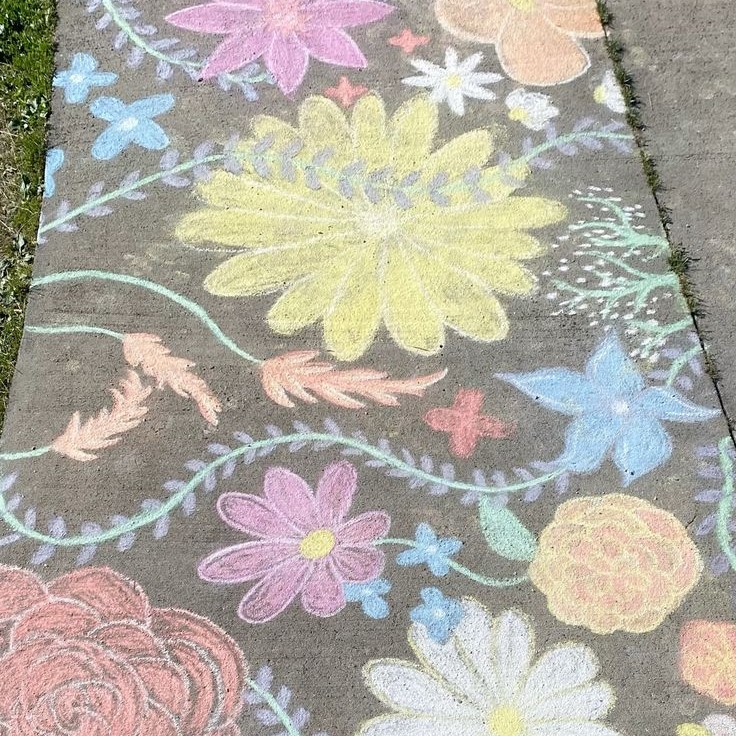
Chalk flowers are a unique type of flowering plant. Known for their delicate appearance, they thrive in specific conditions. These plants have adapted well to survive where other plants cannot. Let’s delve into their definition and characteristics, along with their natural habitat.
Definition and Characteristics
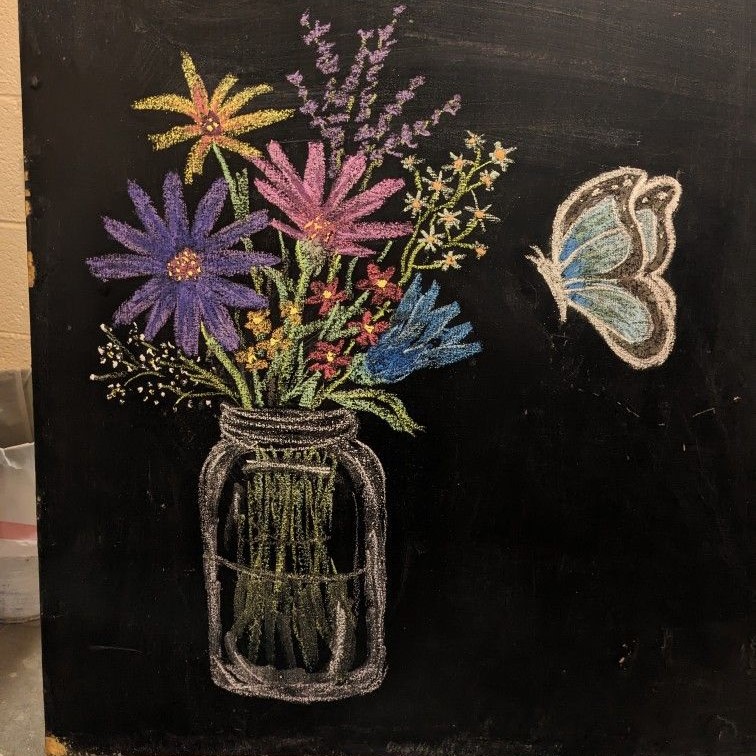
Chalk flowers are plants that grow in calcium-rich, chalky soils. Their name reflects their dependence on such soils for optimal growth. Most chalk flowers have small blooms, showcasing vibrant colors. They are highly resilient to dry and rocky environments. Their roots are strong, allowing them to reach nutrients deep in the soil. Certain chalk flower can also withstand harsh weather conditions. They help enhance biodiversity and provide habitats for various insects.
Natural Habitat of Chalk Flowers
Chalk flowers naturally thrive in regions with chalky or limestone soil. These areas are often arid and well-drained. Common habitats include grasslands, rocky hills, and limestone slopes. Such environments provide the minerals these plants require. Countries like England and parts of Europe support large populations of chalk flower. In these areas, they contribute to creating unique ecosystems. If growing chalk flowers at home, it’s essential to mimic these natural conditions.
Types
Chalk flowers come in various types, ranging from common varieties to rare species. Each type has distinct traits, contributing to their beauty and ecological importance.
Common Varieties
Common chalk flowers are widely found in regions with chalky soils. These include species like Common Rockrose, Wild Thyme, and Horseshoe Vetch.
- Common Rockrose: Known for its bright yellow flowers, it thrives in dry, chalky hills.
- Wild Thyme: This purple-flowered plant adds fragrance and thrives in well-drained soil.
- Horseshoe Vetch: A small flowering plant, often seen carpeting limestone slopes.
These plants support local biodiversity. Their nectar-rich blooms attract bees, butterflies, and other pollinators. They also serve as food sources for wildlife, making them vital for ecosystems.
Rare Species and Their Unique Traits
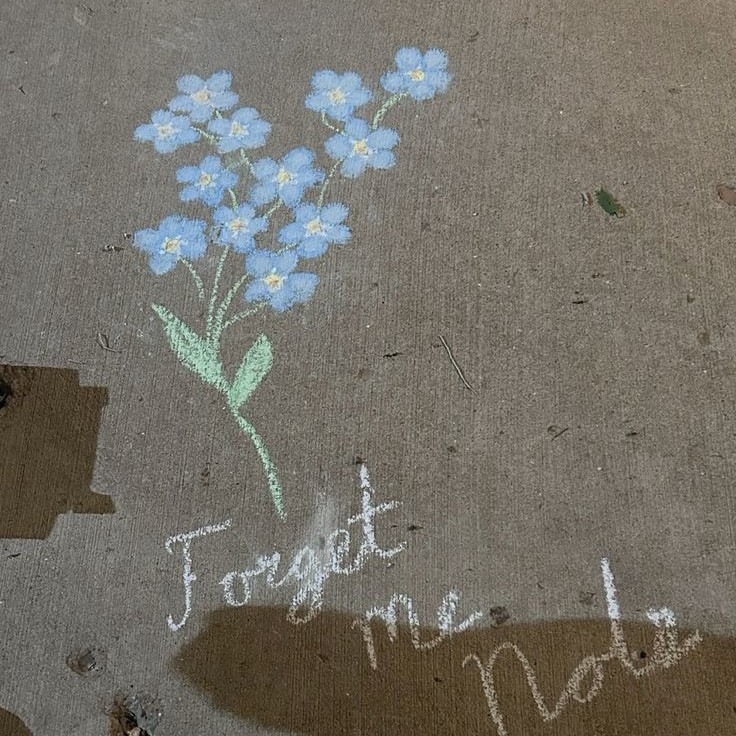
Rare chalk flowers are less common and often found in specific habitats. Examples include Pasque Flowers, Kidney Vetch, and Chalk Fragrant Orchid.
- Pasque Flowers: Featuring purple petals, these bloom early in spring and resist cold.
- Kidney Vetch: A resilient plant with attractive clusters of yellow flowers.
- Chalk Fragrant Orchid: Known for its delicate fragrance and small pink blooms.
These rare species often require precise soil and climate conditions for survival. They contribute to preserving threatened ecosystems and provide habitats for endangered insects. Growing rare chalk flower at home may require extra care and attention.
Understanding the varieties of chalk flowers enriches your knowledge of these plants. Whether common or rare, they all play a role in sustaining ecological balance.
How to Grow Chalk Flowers in Your Garden
Chalk flowers can be a wonderful addition to your garden. Growing them requires understanding their specific needs. Their delicate blooms and ability to attract wildlife make them both beautiful and beneficial. Here’s how to grow them successfully.
Suitable Soil and Climate Conditions
Chalk flowers thrive in chalky and calcium-rich soil. The soil must be well-drained to prevent root rot. Slightly alkaline soil is ideal for these plants. Testing soil pH can ensure it meets their requirements.
These flowers prefer areas with plenty of sunlight. They grow best in regions with moderate temperatures. Avoid waterlogged or overly humid spots in your garden. Mimicking their natural arid habitat ensures healthy growth.
If your soil lacks chalky qualities, consider mixing in lime powder. This adjustment improves the soil’s texture and boosts calcium content. Proper soil preparation is key before planting.
Steps for Planting and Care
- Prepare the Soil: Clear your garden bed of weeds and rocks. Mix in lime or chalk as needed.
- Choose the Right Spot: Select a sunny location for planting. Avoid shaded or damp areas.
- Planting Seeds or Seedlings: Sow seeds during spring in shallow holes. Space seedlings at least 20 cm apart.
- Watering Needs: Water sparingly. Chalk flowers tolerate drought better than excess moisture. Ensure soil is dry between watering.
- Fertilizing: Use a low-nitrogen fertilizer. Apply sparingly and only during the growing season.
- Mulching: Add a thin layer of mulch around the plants. Mulching helps retain moisture while preventing weed growth.
- Pruning and Maintenance: Remove dead flowers to encourage more blooms. Prune at the end of the season.
- Protecting from Pests: Check the plants regularly for pests like aphids or caterpillars. Use organic pest control methods if needed.
Following these steps closely will help your chalk flower flourish. With proper care, they can transform your garden into a vibrant, ecological haven.
Benefits
Chalk flowers offer more than just beauty. They provide multiple benefits, from ecological advantages to enhancing landscaping aesthetics.
Ecological Importance
Chalk flowers play a vital role in promoting biodiversity. They grow in nutrient-poor, chalky soils. Their roots stabilize soil and prevent erosion in fragile ecosystems. These plants attract pollinators like bees, butterflies, and moths with their colorful blooms.
Many chalk flowers, such as Wild Thyme and Horseshoe Vetch, produce nectar. This provides essential food for pollinators. In addition, they serve as habitats for insects, aiding in the ecological balance of their native regions. Rare species such as Chalk Fragrant Orchid offer shelter to threatened insect populations, preserving biodiversity further.
Chalk flowers also support native animal species. Their presence helps maintain delicate ecosystems in chalky areas. By growing chalk flower, gardeners contribute to the preservation of vital habitats.
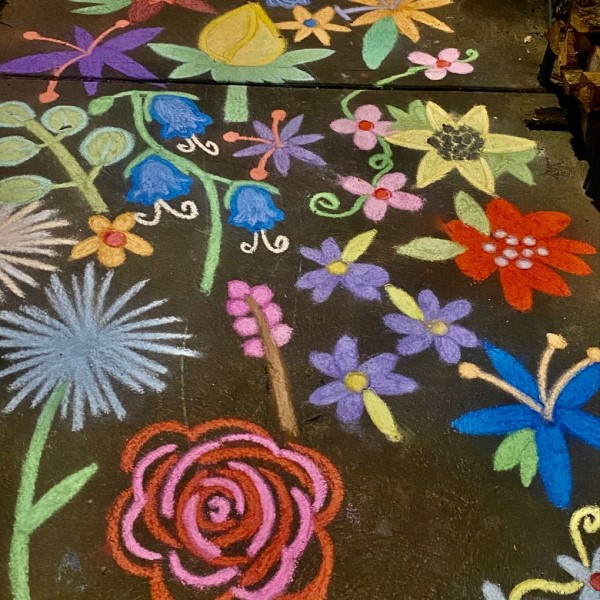
Aesthetic Value in Landscaping
Chalk flower can transform your garden into a natural and vibrant haven. Their bright and colorful blooms add unique beauty to any outdoor space. Common types like Common Rockrose and Wild Thyme flourish in rock gardens. Their ability to grow on rocky slopes creates stunning visual effects.
The small, delicate flowers contrast beautifully with robust greenery. They are ideal for filling gaps in limestone pathways or garden borders. Rare species, such as Pasque Flowers, offer an exotic charm to landscape designs. These plants create a sense of serenity with their natural, rustic look.
Chalk flowers are low-maintenance, thriving with minimal care. Their drought resistance makes them perfect for eco-friendly gardens. By incorporating them, gardeners can conserve water while enhancing the visual appeal of their spaces.
Overall, chalk flower provide ecological and aesthetic value. Whether you want to support nature or beautify your garden, they are an excellent choice.
Common Challenges in Growing
Growing chalk flowers can sometimes be challenging. These unique plants require specific care to thrive successfully. Let’s look into common problems gardeners face and how to overcome them.
Pest and Disease Management
Pests and diseases are common problems for chalk flowers. Aphids often attack tender leaves. Caterpillars and slugs feed on their blooms and stems. These pests can weaken the plant.
Fungal diseases may occur in overly moist soil. Root rot is another concern if drainage is poor. Chalk flowers are sensitive to humid conditions, which can lead to infections.
Steps to Manage Pests and Diseases:
- Inspect Your Plants Regularly: Look for signs of pests or infections. Early detection prevents severe damage.
- Use Natural Remedies: Neem oil and soapy water control aphids and small pests.
- Encourage Predators: Attract birds, ladybugs, or frogs to eat harmful insects.
- Improve Drainage: Ensure the soil drains well to prevent fungal diseases and root rot.
- Avoid Overwatering: Keep the soil slightly dry. Chalk flowers thrive in less moisture.
Monitoring and acting early protects chalk flowers from pests and diseases effectively.
Tips for Overcoming Growth Issues
Certain growth challenges can hinder chalk flower development. Poor soil quality is a common issue. Plants struggle to absorb nutrients without calcium-rich soil. Insufficient sunlight causes weak growth and fewer blooms.
Growth can also be affected by overcrowded planting. Crowded plants compete for resources, limiting their ability to flourish. Improper watering and fertilizing can further complicate the growing process.
Solutions for Growth Challenges:
- Prepare Soil Properly: Add lime or chalk to improve soil quality and increase calcium content.
- Choose Sunny Spots: Chalk flowers thrive in full sun. Avoid shaded locations.
- Space Plants Properly: Keep flowers at least 20 cm apart for adequate airflow.
- Water Sparingly: Allow soil to dry between watering sessions to mimic natural conditions.
- Use Light Fertilizers: Opt for low-nitrogen fertilizers to avoid overgrowth.
By following these tips, you can overcome common growth challenges. With proper care, chalk flower will grow healthy and add beauty to your garden.
Creative Uses
Chalk flowers are not only ecologically significant but also versatile for creative purposes. Their vibrant colors and unique textures make them perfect for decorations and pairings with other plants.
Decoration and Crafts
Chalk flowers are ideal for craft projects and home decorations. Their delicate blooms complement various creative arrangements.
- Floral Centerpieces: Use chalk flower for table arrangements. Their bright colors bring life to any dining area.
- Dried Bouquets: Preserve chalk flower by drying them. Display them in vases for long-lasting beauty.
- Wall Art: Attach dried chalk flower to frames or canvases. They make stunning wall decor pieces.
- Jewelry Crafting: Create pendants or bracelets by embedding dried blooms into resin.
- Gift Wrapping: Add fresh chalk flower to wrapped presents for a personal touch.
These handmade decorations give a rustic charm to homes and gifts. Chalk flowers’ small, vibrant petals inspire endless crafting ideas.
Combining Chalk Flowers with Other Plants
Mixing chalk flowers with other plants enriches gardens and creates stunning landscapes. Their ability to grow in specific soils makes them compatible with selected varieties.
- Rock Gardens: Pair chalk flowers with succulents and drought-tolerant plants like lavender. They thrive on rocky terrains.
- Border Landscaping: Combine vibrant chalk flower with greenery such as ferns. The contrast enhances garden aesthetics.
- Pollinator-Friendly Zones: Plant chalk flower alongside nectar-rich flowers. This attracts bees and butterflies.
- Seasonal Blends: Match chalk flower with seasonal blooms like daisies. Their colors complement each other beautifully.
- Pot Arrangements: Grow chalk flower in containers with companion plants like Wild Thyme for compact displays.
Experimenting with plant combinations enhances visual diversity in outdoor spaces. Their compatibility with limestone soil makes chalk flower versatile for landscaping projects.
Chalk flowers’ creative uses extend beyond gardening. Whether for decorative crafts or landscaping ideas, they inspire beauty and functionality.
Where to Buy Chalk Flower
Finding chalk flowers for your garden can be easy with the right resources. You can choose between online stores, nurseries, or garden centers. Each option offers a variety of chalk flower for your gardening needs.
Online Stores and Nurseries
Online stores provide convenient options for purchasing chalk flower. They offer various species, including rare ones. Many websites specialize in plants suited for limestone or chalky soils.
- Wide Selection: Online plant stores often have diverse chalk flower types. From Wild Thyme to Pasque Flowers, the options are versatile.
- Detailed Descriptions: Websites often include care tips, growth requirements, and soil compatibility for chalk flower.
- Delivery Options: Most online nurseries ship directly to your home. This saves time and effort.
- Competitive Prices: Online stores often offer discounts compared to physical stores.
Nurseries are an excellent alternative to buying online. Local nurseries offer chalk flower that thrive in your regional climate. Staff members can provide tailored advice on growing chalk flowers successfully.
Tips for Selecting Healthy Chalk Flower
Choosing healthy chalk flowers is crucial for optimal growth in your garden. Follow these simple tips:
- Inspect the Leaves and Stems: Look for vibrant leaves and sturdy stems. Avoid plants with yellow leaves or wilting.
- Check the Roots: Healthy roots should be firm and white. Brown or mushy roots indicate problems.
- Verify Soil Compatibility: Ensure the plant is grown in chalky, calcium-rich soil. This confirms its soil adaptation.
- Avoid Pests and Diseases: Select plants free of pests like aphids or fungal infections.
- Observe Bloom Condition: Chalk flowers should have fresh blooms or be budding. Avoid overgrown or dried plants.
By following these buying tips, you can grow chalk flower that enhance your garden’s beauty and biodiversity.
Conclusion: Bringing Spring Indoors with Chalk Flowers
Chalk flowers offer a unique and vibrant way to celebrate the arrival of spring indoors. By mastering the techniques of crafting these delightful decorations, you not only enhance your home but also engage in a fun and artistic activity. This guide has provided valuable insights into materials, step-by-step instructions, and creative inspiration that will help you succeed in your chalk flower project.
As you create these charming flowers, remember to experiment and explore your style. Each flower reflects your creativity and individuality, so embrace the process and enjoy bringing the beauty of spring to life throughout your home. Start crafting your chalk flowers today, and brighten up your space with a touch of handmade artistry!