Introduction: The Allure
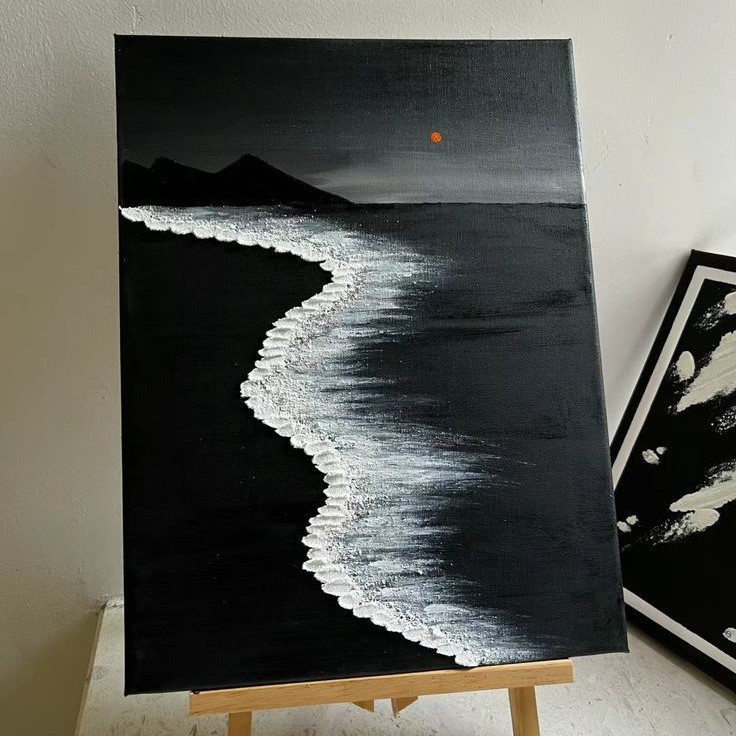
Black canvas painting has become an exciting trend for artists and hobbyists alike. The striking contrast of vibrant colors against a deep black background creates a visually captivating effect. Choosing the right colors for your black canvas painting projects is essential for achieving depth and vibrancy in your artwork. In this guide, we’ll explore the principles of color theory, provide tips for selecting colors, and discuss techniques that can enhance your black canvas paintings. Whether you are an experienced artist or just starting, understanding how to choose colors effectively will elevate your creative expression.
Understanding the Basics of Color Theory
- The Color Wheel:
- At the heart of color selection lies the color wheel. This tool shows the relationships between colors, including primary, secondary, and tertiary hues.
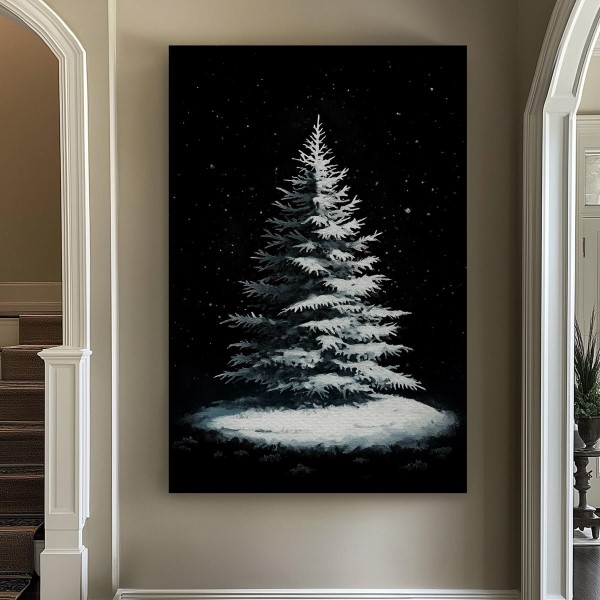
- Familiarizing yourself with the color wheel will help you understand how colors interact. The wheel is divided into warm colors (reds and yellows) and cool colors (blues and greens).
- Complementary Colors:
- Complementary colors are located opposite each other on the color wheel. They enhance each other when combined, creating a dynamic visual contrast.
- For example, using bright orange on a black canvas with a touch of blue can create an eye-catching effect. This principle can be particularly effective in black canvas painting, where vibrancy is essential.
- Analogous Color Schemes:
- Analogous colors are those that are next to each other on the color wheel, creating a harmonious look.
- For black canvas paintings, consider using hues like red, orange, and yellow together. This choice can result in a warm, inviting artwork that draws viewers in.
- Triadic Color Schemes:
- A triadic scheme involves using three colors that are evenly spaced around the color wheel.
- This method introduces balance and diversity to your black canvas paintings. For a striking composition, you could use primary colors (red, blue, yellow) or secondary colors.
Choosing Colors for Emotional Impact
- Color Psychology:
- Understanding how colors affect mood and emotions can guide your color choices.
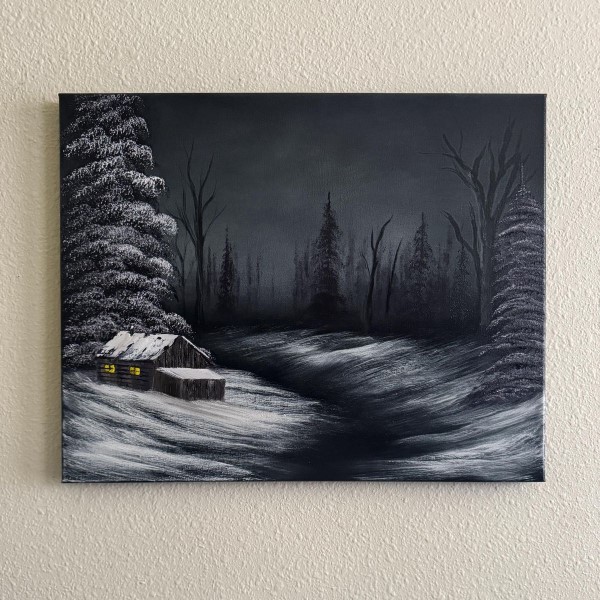
- For instance, warm colors like red and yellow can evoke energy and excitement, while cool colors like blue and green create a sense of calmness. By consciously selecting colors, you can convey specific feelings in your artwork.
- Creating a Focal Point:
- Utilizing bold colors in specific areas can direct the viewer’s attention.
- This technique is particularly useful when working on a black canvas; bright colors will stand out significantly. For example, painting a single yellow flower against a black background can draw the eye directly to that focal point.
- Using Monochromatic Schemes:
- A monochromatic color scheme employs varying shades and tints of a single color.
- This method can add sophistication and depth to your black canvas painting. For example, using different shades of blue on a black canvas can create a serene and unified artwork.
Practical Techniques for Black Canvas Painting
- Layering Colors:
- Layering is crucial when painting on black canvases. Start with lighter colors and build up to darker shades for added depth.
- This technique creates a more dynamic piece and maintains the vibrancy of your colors.
- Using High-Quality Paints:
- The quality of your paint can drastically affect the outcome of your artwork. High-quality acrylics or oils tend to have stronger pigmentation, allowing colors to remain vivid against a black background.
- Investing in good paints will ensure that your artistic vision comes to life on the canvas.
- Experimenting with Textures:
- Black canvas provides a unique opportunity to experiment with textures. Consider using different techniques, such as sponging or dry brushing, to create intriguing patterns and effects.
- The contrast between smooth and textured areas can enhance the overall interest of your piece.
Practical Steps to Choose Colors
Begin with a Color Concept
- Identifying Emotions or Themes:
- Before starting your painting process, take a moment to reflect on the emotions or themes you wish to express through your artwork.
- Consider how you want viewers to feel when they experience your piece. Are you aiming for tranquility, excitement, or perhaps introspection?
- Brainstorming Ideas:
- Write down keywords or phrases that resonate with the sentiments you want to convey.
- This brainstorming session can help clarify your artistic vision. For instance, if you choose “serenity,” you might lean towards softer blues and greens.
- Creating a Color Palette:
- Once you have a clear theme in mind, begin to formulate a color palette that aligns with this concept.
- Select a core color that embodies the main emotion you aim to express and build around it with complementary or contrasting shades. This approach ensures that all colors work harmoniously together in your painting.
- Guiding Decision-Making:
- Having a defined color concept allows you to make consistent decisions throughout your creative process.
- Instead of randomly picking colors, you’ll have a cohesive plan that aligns with your original theme, enhancing the overall impact of your artwork.
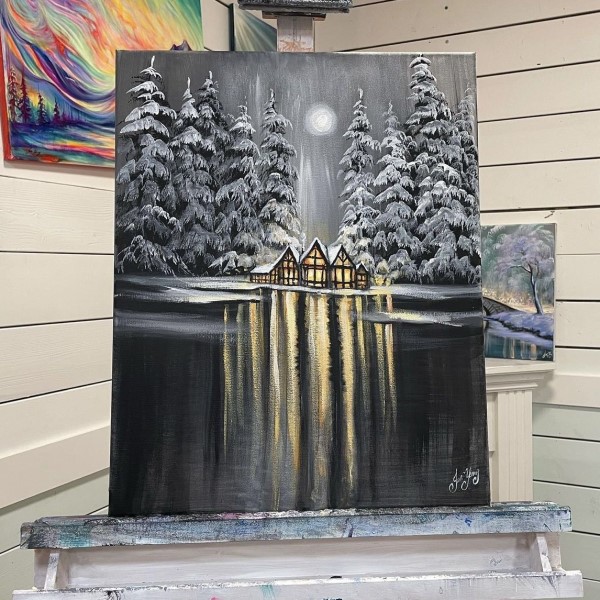
Create Color Swatches
- Preparing Your Workspace:
- Set up a small canvas or a piece of heavy paper for swatching colors. Ensure your workspace is clean and organized, giving you room to mix and experiment.
- Gather all the paints you want to test, including both colors chosen for your palette and any additional shades you may consider incorporating.
- Mixing Colors:
- Begin mixing your chosen colors directly on the swatch canvas or paper.
- Experiment with different combinations and varying ratios of each color to observe how they blend and complement one another.
- Visualizing Color Combinations:
- By applying the mixed colors side by side, you can see how they interact on the surface.
- This exercise provides a visual preview of which colors harmonize well together and which may clash, allowing you to refine your palette before moving to the canvas.
- Commitment to the Black Canvas:
- Creating swatches not only aids in color selection but also helps build confidence in your choices.
- Once you feel satisfied with your color combinations, you’ll have a stronger foundation when it comes time to apply these colors to your black canvas painting.
Refer to Inspirations
- Seeking Artistic Inspiration:
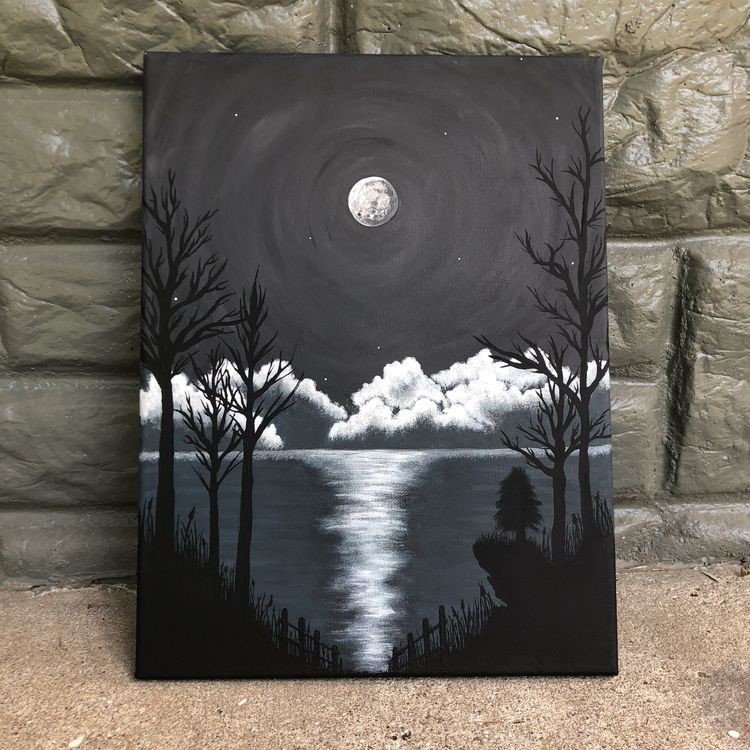
- Look for inspiration from other artists and their works. Engaging with existing art can spark new ideas and broaden your understanding of color applications.
- Explore various platforms, including social media, art forums, or dedicated art websites, where artists share their creations.
- Exploring Art Books and Galleries:
- Visit art books and galleries that specifically feature black canvas paintings or similar styles.
- Analyze how different artists use color against black backgrounds, noting any techniques or color combinations that catch your eye.
- Analyzing Successful Pieces:
- Take time to dissect the successful color palettes within these inspirational pieces.
- Pay attention to aspects such as the depth achieved through layering, contrasting colors, and the overall mood set by the palette used.
- Applying Insights to Your Work:
- By synthesizing insights from these analyses, you can incorporate effective techniques into your own black canvas painting.
- Don’t hesitate to take notes or create a mood board that captures elements you find appealing. This will serve as a reference point throughout your creative process, guiding your color choices and application methods.
Finalizing Your Black Canvas Painting
- Assess Your Completed Work:
- Once the painting is finished, take a step back to assess the overall color balance.
- Ensure that the colors complement each other and that the focal points draw the viewer’s eye as intended.
- Consider Framing and Presentation:
- The way you present your black canvas painting can influence how colors are perceived.
- Thoughtfully choosing a frame that enhances the artwork will draw attention to its colors and details.
Frequently Asked Questions (FAQs)
- What are black canvases used for?
- Black canvases are commonly used to create striking artworks that emphasize vibrant colors, adding depth and contrast to the pieces.
- What kind of art looks best on black canvas?
- Art that utilizes bright, bold colors, or white and metallic tones often looks stunning on black canvases due to the high contrast.
- Which artist painted the Black Paintings?
- The Black Paintings are a series of works created by the Spanish painter Francisco Goya, showcasing dark themes through deep black tones.
- Who is the famous black painter?
- Several notable black painters, including Jean-Michel Basquiat and Kehinde Wiley, have made significant contributions to contemporary art, often exploring themes of race and identity.
Conclusion: Unleashing Creativity on Black Canvas
In conclusion, choosing colors for your black canvas painting projects requires careful consideration of color theory, emotional impact, and practical techniques. The combination of vibrant colors against a black background creates a striking and captivating visual experience. By understanding how to effectively select and apply colors, you can unleash your creativity and enhance your artistic expression.
Whether you’re an experienced artist or just starting, black canvas painting offers a unique medium to explore your ideas. Remember to experiment with color combinations, techniques, and textures that resonate with your vision. Embrace the versatility of black canvas and let your artwork shine with stunning colors and dynamic depth!