Introduction: The Significance of an Easel for Painting Canvas
Creating breathtaking art is often about the tools you use, and one of the most essential tools for artists is the easel for painting canvas. An easel provides a stable platform and allows comfortable access to your canvas, significantly influencing your painting process. As we step into 2026, innovative easel designs are transforming how artists approach their craft, offering enhanced functionality and features that promote artistic expression. In this article, we will explore the various types of easel for painting available, the latest designs, and how to choose the right easel to improve your painting experience.
Understanding Different Types of Easels
- Traditional A-Frame Easels:
- The A-frame easel is a classic option that has been widely used by artists for centuries. Known for its sturdy yet portable design, it provides great stability for both small and large canvases.
- This type is adjustable, allowing artists to customize the height and angle based on their painting needs. Traditional wood or lightweight metal options are available, making them versatile for various settings.
- French Easels:
- French easels bring together portability and functionality. They not only hold canvases securely but also include compartments for paints and brushes, perfect for plein air painting.
- Their design often mimics that of a suitcase, making them easy to transport. This feature is invaluable for artists who frequently take their work outdoors or to workshops.
- Studio Easels:
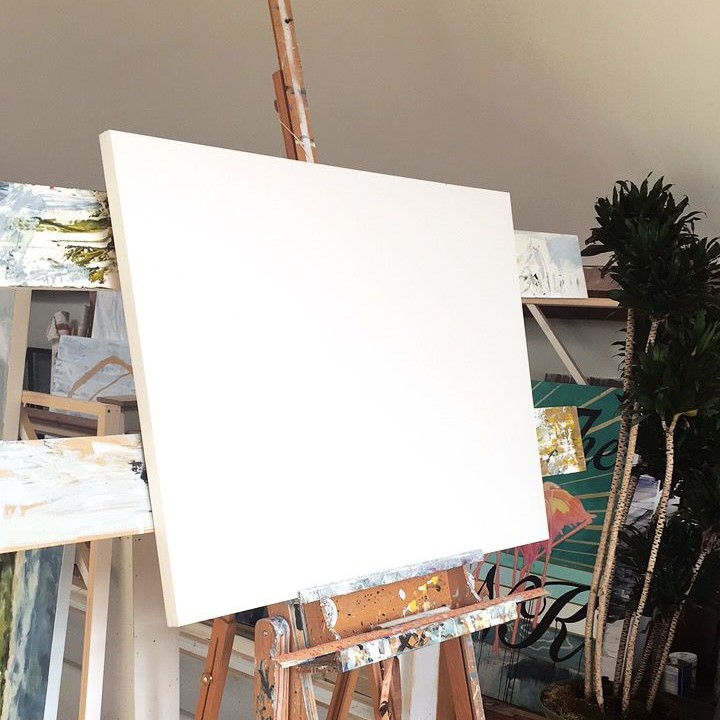
- If your artwork involves larger canvases, consider using a studio easel. These easels are typically larger and sturdier, designed to provide maximum stability.
- Many studio easels have adjustable heights and angles, offering a comfortable painting position for various techniques, from detailed brushwork to broad strokes.
- Tabletop Easels:
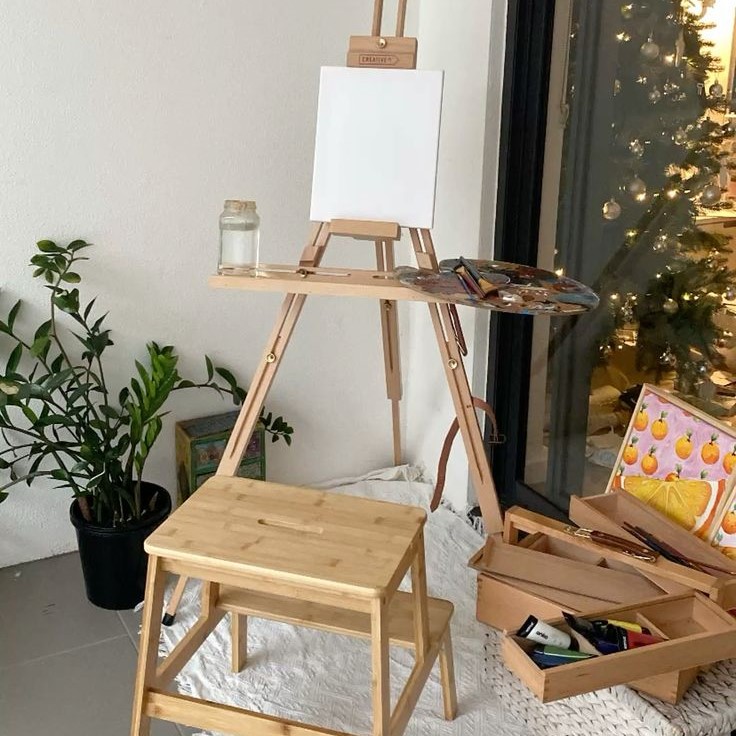
- Ideal for artists with limited space, tabletop easels are compact and designed to sit on desks or tables.
- These smaller easels are great for beginners or artists who primarily create smaller works. Their lightweight nature makes them easy to store when not in use.
Innovative Features in 2026 Easel Designs
- Height Adjustable Mechanisms:
- One of the most notable advancements in easel technology is the incorporation of height adjustment mechanisms.
- With these features, artists can customize their easel to their preferred working height, allowing for greater comfort whether painting while sitting or standing.
- Integrated LED Lighting:
- Some innovatively designed easels now come with built-in LED lighting. This feature ensures that your workspace is well-lit, enhancing visibility and reducing strain on your eyes.
- Good lighting can significantly affect how colors appear and are perceived, which is vital when creating intricate artworks.
- Multi-Directional Stability:
- The latest easel designs prioritize multi-directional stabilization, which eliminates wobbling and increases reliability while painting.
- This added stability is particularly beneficial when working with heavier or larger canvases, giving artists more confidence in their strokes.
- Portability and Lightweight Designs:
- Many easels in 2026 emphasize portability. Designs that prioritize lightweight materials allow artists to easily transport their easels to various locations for plein air painting or workshops.
- Some models even fold down compactly to fit into car trunks or carry-on bags, making them ideal for artists on the go.
Choosing the Right Easel for Your Needs
- Assessing Your Painting Style:
- Before making a purchase, consider your painting technique and style. Do you often work on large canvases, or do you prefer smaller projects and portability?
- Understanding your needs will guide you to the right type of easel for painting that will best support your artistic process.
- Understanding Canvas Size:
- Different easels are designed to accommodate various canvas sizes. It’s crucial to know what dimensions you prefer to work with to ensure the easel can securely hold your canvas.
- Some easels can adapt to different sizes with adjustable arms or settings, offering extended versatility for various projects.
- Budget Considerations:
- The price of easels can vary greatly, ranging from budget-friendly options to professional-grade models.
- Determine your budget ahead of time and explore easels within that range, ensuring that you consider both quality and functionality in your choice.
Setting Up Your Easel for Optimal Use
- Positioning Your Easel:
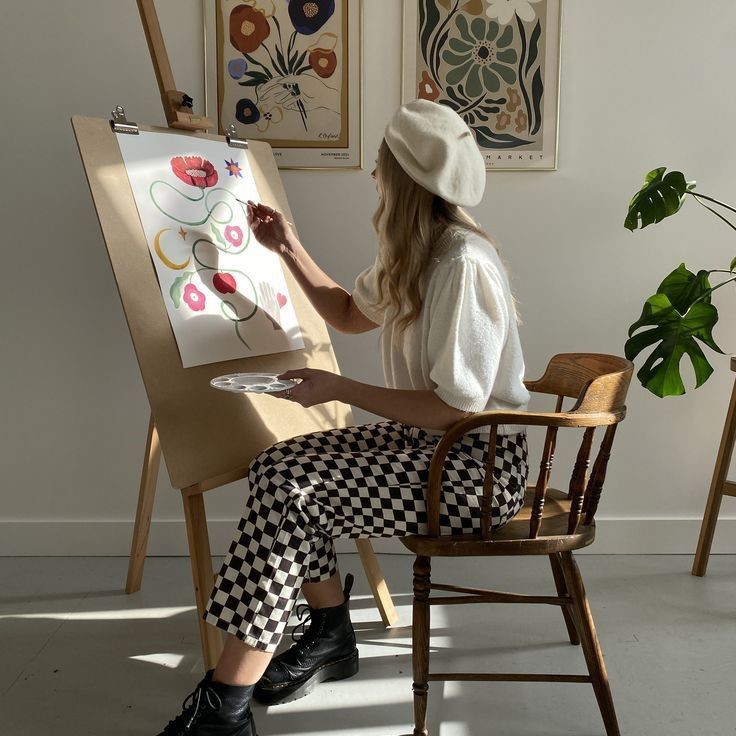
- Once you have selected your easel, find a suitable location for setting it up. Ideally, this space should have sufficient natural light or good artificial lighting.
- Proper positioning will optimize your painting experience by providing ample light and a comfortable working environment.
- Securing the Canvas:
- Ensure that your canvas is properly secured to the easel before you begin painting. Many modern easels come with built-in clips or adjustable holders to maintain stability.
- A securely fastened canvas minimizes movement and helps you maintain consistent brush strokes throughout your work.
- Adjusting for Comfort:
- Take the time to adjust the height and angle of your easel to suit your level of comfort. An easel that is too high or too low can lead to strain and discomfort during extended painting sessions.
- Comfort is vital for fostering creativity, so prioritize finding the optimal setting for your ease of use.
Tips for Painting on Stretched Canvas
Use the Right Brushes
- Importance of Brush Selection
Choosing the right brushes is essential for achieving your desired effect in any painting project. The variety of brushes available can significantly influence the final outcome, so it is crucial to understand which types will best suit your technique. - Different Brush Types
Different brush shapes and sizes provide various textures and applications that can enhance your artwork. For example, fine-tipped brushes are ideal for adding intricate details and fine lines, allowing you to capture nuances in your subject. On the other hand, broader brushes are designed for larger areas, making them perfect for washes of color or bold strokes. - Selecting Tools for Technique
Always consider the specific effects you want to create in your painting. A flat brush can create sharp edges and defined lines, while a round brush may be better for soft curves and blending. By selecting the appropriate brushes, you enhance your ability to express your artistic vision effectively.
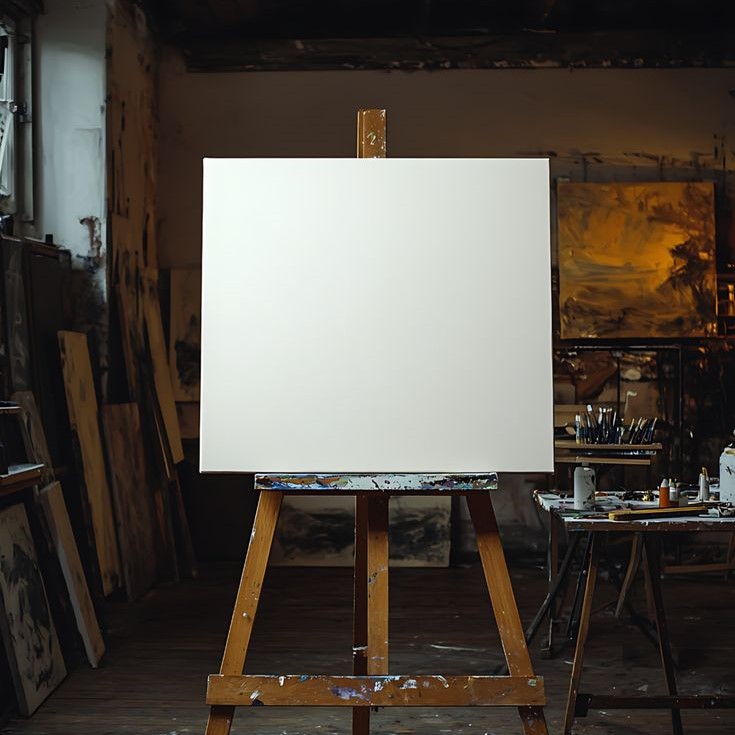
Start with a Sketch
- Benefits of Sketching Before Painting
Before diving into your painting, it is advisable to sketch your design lightly on the canvas. This preliminary step serves as a guideline, enabling you to follow a structured approach and stay true to your intended composition. - Guideline for Accuracy
A sketch allows you to visualize the arrangement of elements in your artwork. By outlining shapes, proportions, and placement, you can significantly improve your overall accuracy, which is important for achieving a successful final piece. - Smoother Painting Process
Sketching can also streamline your painting process by minimizing errors. With a clear guideline in place, you can focus more on applying color and refining your technique, leading to a more enjoyable and productive painting experience.
Layering Colors
- Technique of Layering Paint
Utilizing the layering technique when applying paint to stretched canvas can greatly enhance your artwork. This method involves starting with lighter colors and gradually building up to darker tones. As you layer, you create depth and dimension, making the scene more visually engaging. - Establishing Depth and Dimension
Layering not only adds richness to colors but also creates a dynamic interplay of tones and shades. By carefully considering how each layer interacts with the others, you can achieve a sense of realism and vibrancy in your painting. - Enhancing Overall Composition
This method allows artists to establish a foundation that can be further developed. As the colors build up, the artwork transforms, leading to a more compelling and nuanced composition. Layering can be an effective strategy to draw viewers in and highlight specific areas of interest within the painting.
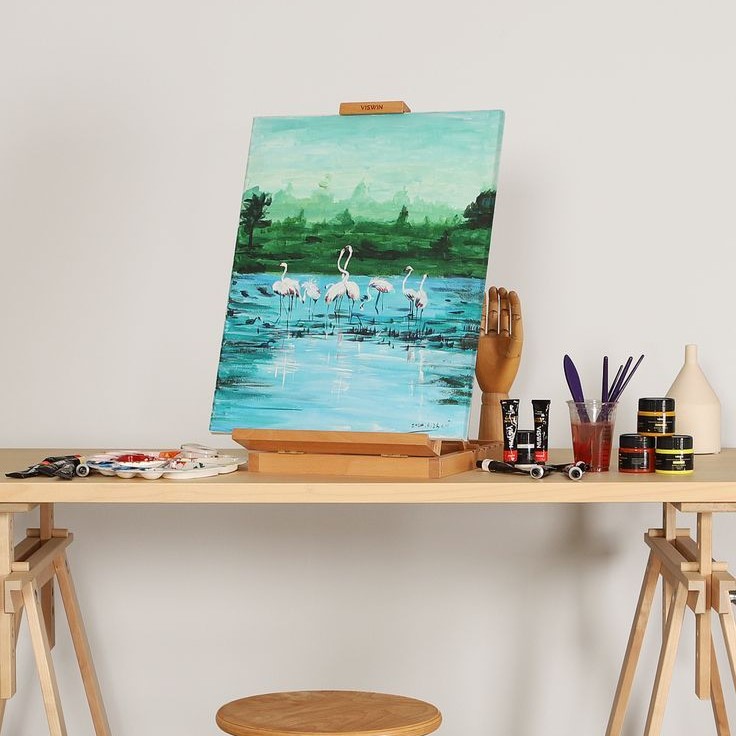
FAQ Section
- Do I need an easel to paint on canvas?
- While it’s not strictly necessary, an easel enhances stability and comfort while painting on canvas. It allows for optimal positioning and accessibility, making the painting process more enjoyable.
- What is the stand for canvas called?
- The stand used to hold a canvas while painting is commonly referred to as an easel.
- Which art easel is best for beginners?
- Beginners typically benefit from lightweight adjustable A-frame or tabletop easels. These options are easy to set up and allow for a variety of canvas sizes.
- What to use instead of an easel?
- If you don’t have an easel, you can use a table, desk, or even prop the canvas against a wall. However, working with a proper easel generally provides more comfort and stability.
Conclusion: Enhancing Your Artistic Journey with the Right Easel
In conclusion, selecting the right easel for painting canvas can significantly enhance your artistic journey. With innovative designs now available in 2026, artists have the opportunity to choose a model that best fits their needs and enhances their style. Whether you opt for a traditional A-frame or a modern, portable easel, investing in the right equipment will provide stability and comfort, allowing your creativity to flow.
When selecting an easel for painting, consider the type of canvas you work with, your painting style, and your budget. With careful thought and the right choice, your easel can become an invaluable companion on your journey as an artist, enabling you to unlock new levels of creativity and expression. Embrace the adventure of painting with innovative easel designs and watch your artistic abilities thrive!