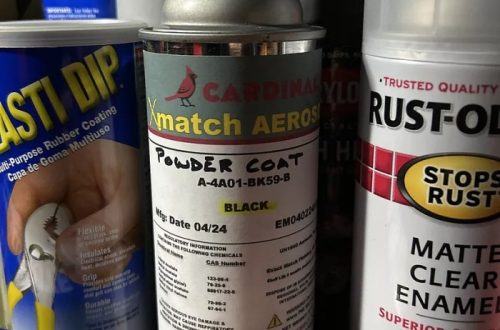
Dealing with spray paint on metal surfaces can be a daunting task. Whether it’s an accidental spill, unfinished projects, or unwanted paint job on your metal objects, knowing how to remove spray paint from metal effectively can save you time and frustration. Fortunately, there are various methods available, each tailored to different types of metal surfaces and levels of paint adhesion. This article will explore effective techniques and tips to restore your metal surfaces without damaging them.
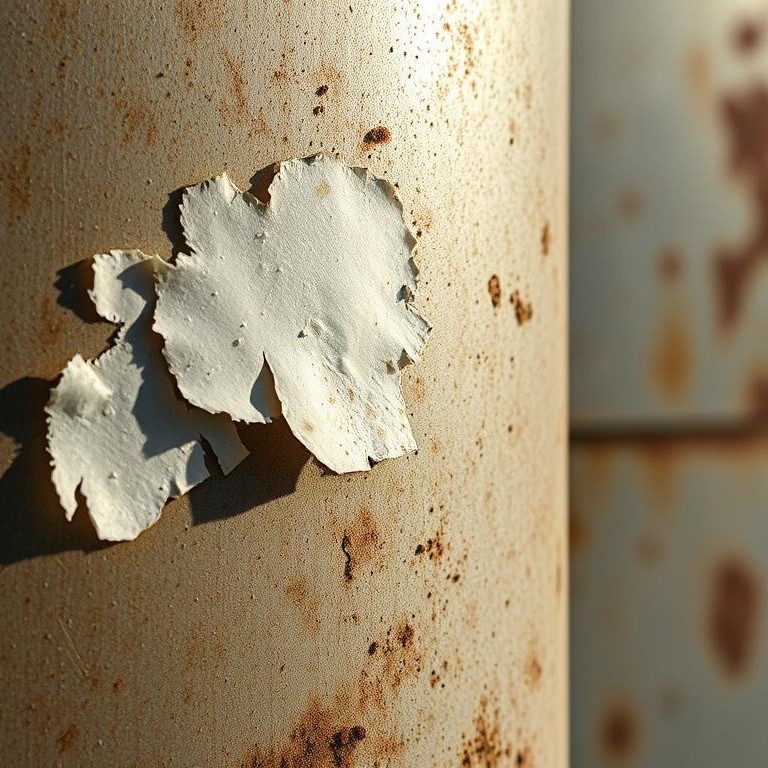
Understanding the Type of Metal
Before diving into the methods for removing spray paint, it’s essential to identify the type of metal you are dealing with. Different metals, such as steel, aluminum, or wrought iron, may react differently to cleaning agents. Understanding your metal type can help you choose the appropriate technique for paint removal and avoid any potential damage. For example, softer metals like aluminum can be more susceptible to scratching, while steel is generally more durable.
By recognizing your metal’s properties, you’ll be better equipped to select the safest and most effective paint removal method. This proactive approach will save time and prevent the risk of damaging your metal surfaces.
Preparations Before Starting Removal
How to remove spray paint from metal? Before removing spray paint from metal, proper preparation is essential. It helps to ensure a smooth and damage-free process. Following the right steps can save time and effort.
Safety Measures to Consider
Taking safety precautions is critical for any spray paint removal process. Follow these measures to protect yourself and your surroundings:
- Wear Protective Gear: Use gloves to protect your hands from chemicals and goggles to shield your eyes. A mask is also necessary to avoid inhaling harmful fumes.
- Ensure Proper Ventilation: Work in a well-ventilated space to avoid breathing in chemicals. Open windows or use a fan for air circulation.
- Avoid Open Flames: Do not work near ignition sources, especially when using flammable materials like solvents or paint thinners.
- Protect Surrounding Areas: Cover surrounding surfaces with drop cloths to prevent accidental damage.
Tools and Materials You Will Need
Gather all the necessary tools and materials before starting. This will make the process efficient and effective. Here is a list of commonly required items:
- Protective Gear: Gloves, goggles, and a mask for safety.
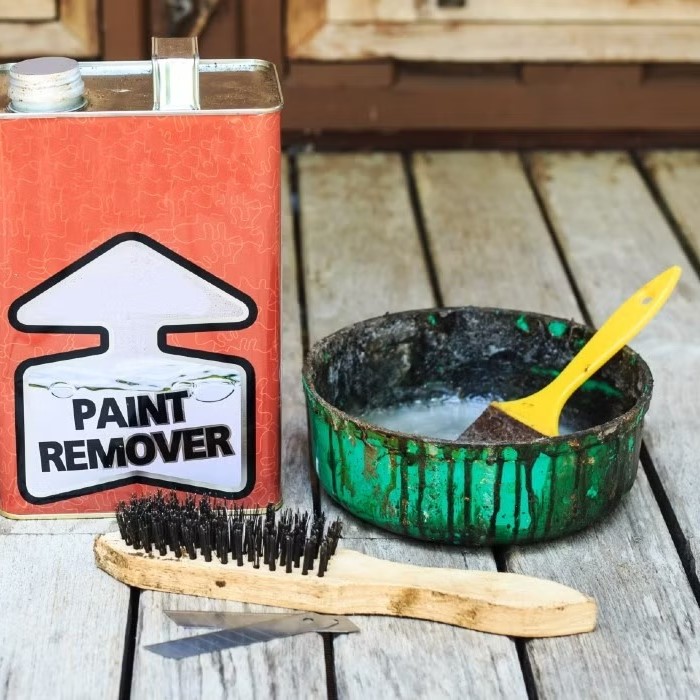
- Paint Thinner or Solvent: Essential for dissolving stubborn spray paint.
- Scrapers: Plastic or metal scrapers to lift paint off the metal surface.
- Baking Soda and Water: Used for the baking soda and heat method.
- Heat Gun or Boiling Water: Necessary for methods involving heat.
- Sandpaper or Sanding Block: Useful for removing paint residue.
- Soft Cloths or Rags: For wiping surfaces and applying cleaning agents.
- Bucket and Soap: For washing the metal surface after paint removal.
By having these tools and materials at hand and adhering to safety practices, you can confidently begin removing spray paint from metal.
Methods to Remove Spray Paint from Metal
How to remove spray paint from metal? Removing spray paint from metal can be approached using various effective methods. Here are four commonly used techniques that ensure efficient removal without causing damage to the metal.
Using Paint Thinner or Solvent
Paint thinners or solvents are often the first choice for removing spray paint from metal surfaces. Follow these steps:
- Choose the Right Product: Select a paint thinner or solvent that matches the type of paint used.
- Apply the Solvent: Use a clean cloth to apply the thinner directly onto the painted surface.
- Let It Sit: Allow the solvent to sit for a few minutes to loosen the paint.
- Wipe Away the Paint: Use a clean rag or cloth to wipe off the softened paint.
- Repeat If Necessary: Reapply and repeat the process for stubborn paint spots.
Wear gloves and work in a ventilated area to avoid harmful fumes. Avoid using too much solvent as it can damage delicate metal finishes.
Scraping with a Plastic or Metal Scraper
A scraper is another reliable tool for removing hardened spray paint. Here’s how to do it effectively:
- Choose the Right Scraper: Use a plastic scraper for softer metals or a metal scraper for harder surfaces.
- Gently Scrape the Paint: Hold the scraper at a slight angle and gently scrape the paint.
- Work in Small Sections: Focus on small areas to ensure precise and thorough removal.
- Wipe Off Residue: Use a damp cloth to clean away leftover paint or debris.
Avoid using excessive force to prevent scratching or denting the metal surface.
Applying Baking Soda and Heat Method
This eco-friendly method works well for removing spray paint safely:
- Prepare the Solution: Mix a few tablespoons of baking soda with water in a large pot.
- Heat the Metal: Boil the solution and submerge small metal items, or use a heat gun.
- Remove the Paint: As the paint softens, use a soft brush or cloth to scrub it off.
- Rinse Thoroughly: Wash the metal item with soap and water to remove any residue.
This method is particularly useful for delicate or intricate metal objects.
Sanding for Spray Paint Removal
Sanding is a manual yet effective way for removing tough spray paint:
- Choose Sandpaper or Sanding Block: Select an appropriate grit, starting with a coarse option.
- Sand the Surface: Gently rub the sandpaper over the painted area in small, circular motions.
- Switch Grits: Use finer grit sandpaper to smooth the surface after removing the paint.
- Clean the Surface: Wipe the metal clean with a damp cloth to remove dust and debris.
Be cautious not to over-sand, as this can damage the metal beneath the paint.
By using these methods, you’ll effectively remove spray paint from metal surface while minimizing potential damage. Remember to always wear protective gear and work safely!
Eco-Friendly Spray Paint Removal Techniques
Eco-friendly methods are great for removing spray paint without harming the environment. They use safe, natural ingredients and are ideal for sensitive surfaces or those avoiding harsh chemicals. Below are two effective and eco-friendly techniques.
Using Vinegar Solution
Vinegar is a natural and effective solution for spray paint removal. It’s safe and widely available. Follow these steps:
- Warm the Vinegar: Heat a small amount of white vinegar in a pot until warm.
- Apply to the Surface: Use a clean cloth or sponge to apply the warm vinegar.
- Let It Sit: Allow the vinegar to penetrate the paint for 10-15 minutes.
- Scrape Gently: Use a scraper or sponge to remove the loosened paint.
- Clean the Area: Wash the surface with soap and water to remove any residue.
This method works best on fresh or small paint spots. Avoid using vinegar on sensitive or highly polished metals.

Lemon Juice and Salt Mixture
A mixture of lemon juice and salt is another eco-friendly option. It works well for stubborn paint stains. Here’s how:
- Prepare the Mixture: Mix equal parts of lemon juice and salt to form a paste.
- Apply Generously: Spread the paste on the spray-painted area using a brush or cloth.
- Let It Sit: Allow it to sit for 20-30 minutes.
- Scrub the Paint: Use a soft-bristle brush to scrub the loosened paint away.
- Rinse Off: Rinse the surface thoroughly with water and clean with soap if necessary.
The natural acids in lemon juice help break down the paint, while the salt acts as a gentle abrasive.
Using vinegar and a lemon-salt mixture can make spray paint removal environmentally friendly. They are safe alternatives to chemicals and are easy to prepare. Use these methods with care to protect metal surfaces during cleaning.
Tips to Avoid Damaging Metal Surfaces
When removing spray paint from metal, it’s important to avoid causing damage. Follow these tips to ensure the metal surface remains intact:
How to Test a Small Area First
Testing a small area before starting ensures the removal method is suitable. Here’s how to do it:
- Pick an Inconspicuous Spot: Select a hidden or less visible part of the metal surface.
- Apply Your Chosen Method: Use a small amount of solvent, scraper, or eco-friendly solution on the spot.
- Evaluate the Impact: Wait for a few minutes and check for any discoloration, scratching, or damage.
- Adjust If Needed: If the method causes issues, switch to a gentler technique or a different solution.
Testing first helps avoid extensive damage and ensures the best results for spray paint removal.
Proper Cleaning After Removal
Cleaning the metal thoroughly after paint removal is essential. It keeps the surface clean and damage-free. Follow these steps for proper cleaning:
- Wash with Soap and Water: Use a non-abrasive soap and warm water to clean the surface.
- Wipe with a Soft Cloth: Gently wipe the cleaned area to prevent scratches or streaks.
- Dry Completely: Use a clean, dry cloth to remove any moisture and prevent rusting.
- Polish If Needed: For shiny metal, apply a metal polish to restore its luster and protect the surface.
Proper cleaning ensures no residue is left behind and prevents future paint adherence issues. Additionally, it helps maintain the metal’s appearance and longevity.
Prevention Techniques for Future Spray Paint Issues
Spray paint can permanently affect the metal if not properly protected. Taking preventative measures helps minimize potential damage and preserves durability.
Protective Coatings for Metal
Applying protective coatings is an effective method to safeguard metal surfaces from spray paint damage. Follow these steps to shield your metal items:
- Clean the Surface: Wipe the metal with a damp cloth to remove dirt and grease. Ensure it’s smooth.
- Choose the Right Coating: Select a protective metal coating suitable for your item’s material. Common types include varnishes and sealants.
- Apply Uniformly: Follow the manufacturer’s instructions for even application. Use brushes or sprayers for broad coverage.
- Dry Thoroughly: Allow the coating to cure fully before using or placing the metal outdoors.
- Regular Maintenance: Inspect the coating periodically and reapply as needed to maintain protection.
By using protective coatings, you create a barrier that prevents spray paint adherence and helps protect against environmental effects.
Best Practices for Storing Metal Items
Proper storage of metal items helps prevent spray paint issues and other forms of damage. Consider the following tips:
- Store Indoors: Keep metal objects away from public spaces to prevent accidental or intentional spray-painting.
- Cover Items: Use tarps, sheets, or plastic wrap to cover metals and shield them from exposure.
- Use Locked Areas: Secure valuable or often-targeted metal items in closed spaces like sheds or cabinets.
- Avoid High-Traffic Zones: Place metal items in areas less likely to encounter vandalism or unintended contact.
- Routine Checks: Regularly inspect stored items to ensure they remain clean and undamaged.
These practices help minimize the risk of spray paint damage and other potential harm caused by weather or misuse.
By using protective coatings and following proper storage techniques, you can avoid future spray paint issues and maintain your metal items in excellent condition.
Recognizing When to Seek Professional Help
Removing spray paint from metal surfaces can sometimes become challenging. In certain cases, professional help might be necessary to achieve the best results and avoid damage. Below are some situations and reasons to consider seeking expert assistance.
Complex or Valuable Items
Metal surfaces with intricate designs or high value require careful handling. Professionals have the tools and expertise to:
- Preserve delicate details while ensuring thorough paint removal.
- Minimize any potential damage to the surface.
- Use specialized techniques tailored for sensitive or rare metal objects.
Stubborn Paint Layers
Thick, stubborn paint layers may be difficult to remove with DIY methods. Professionals can:
- Employ advanced methods, such as industrial solvents or abrasive blasting.
- Handle tough coatings more efficiently.
- Prevent harm to the underlying metal during the removal process.
Large-Scale Projects
If you need to remove spray paint from big metal surfaces like fences or machinery, professionals have:
- Proper equipment to manage large areas efficiently.
- Experience dealing with various surfaces and paint types.
- Expertise to complete the job quickly and safely.
Health and Safety Concerns
Handling chemicals or working in poorly ventilated places can be hazardous. Professionals ensure:
- Safe use of materials, including toxic solvents or heat tools.
- Proper protective gear for dealing with fumes or sharp tools.
- Compliance with safety standards to protect your health and property.
Unsatisfactory DIY Results
In case your attempts to remove spray paint lead to uneven surfaces or damage:
- Professionals can undo damage with their refined techniques.
- They help restore the metal’s appearance better than home remedies.
- They ensure a smooth finish without paint traces.
Choosing professional help for spray paint removal saves time, avoids risks, and ensures effective results. However, this option may involve additional costs, so evaluate your metal surface’s needs before deciding.
Conclusion
In conclusion, knowing how to remove spray paint from metal is a valuable skill for anyone dealing with metal surfaces. By utilizing the right techniques and materials, you can efficiently restore your metal objects to their original state. Remember to understand your metal type, gather necessary supplies, and follow the outlined methods for successful paint removal.
Practicing preventive measures will help you avoid future issues. Always be proactive and organized in your approach. With patience and the right knowledge, you can tackle any paint removal task efficiently and effectively.