What is Powder Coat Spray Paint?
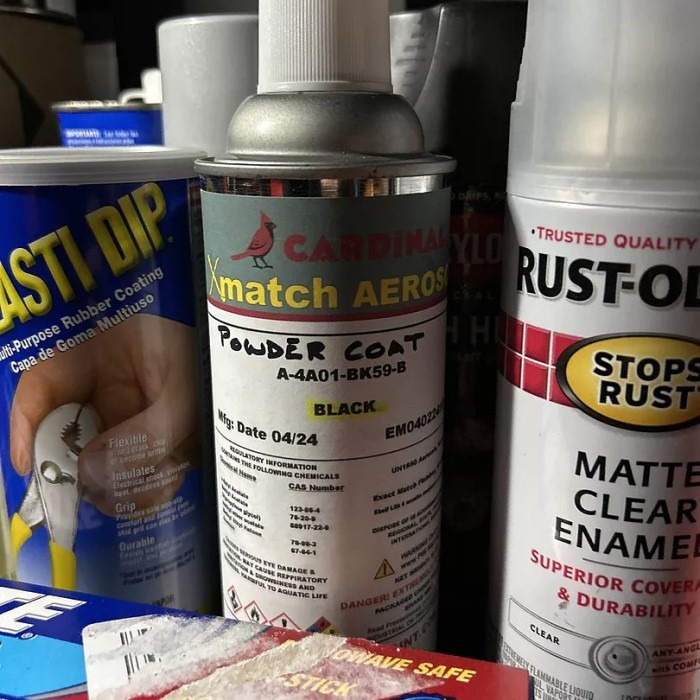
Powder coat spray paint is a dry paint applied as a fine powder. Unlike traditional liquid paints, it doesn’t use a solvent to keep its components in liquid form. Instead, it relies on an electrostatic process to adhere to surfaces.
This type of coating offers a durable and even finish. It is made of finely ground particles of pigment and resin. These particles are electrostatically charged and sprayed onto prepped surfaces. Once applied, the powder is heated and cured to create a smooth, solid coating.
Powder coat spray paint offers versatility for various purposes. It can be used on metals, plastics, and even some wood. Its performance characteristics, such as resistance to chipping and fading, make it a superior choice.
This advanced coating technique combines durability, appearance, and environmental benefits. It is widely used in industries and home projects.
How Powder Coating Differs from Traditional Paint Methods
Powder coating and traditional painting are two distinct methods used for finishing surfaces. Here are the key differences:
- Application Process:
- Powder coating: A dry powder is applied using an electrostatic process. This allows the powder to stick to the surface evenly, even on corners and crevices.
- Traditional painting: Liquid paint is applied with brushes, rollers, or sprays. It uses solvents to keep pigments and resins in a liquid state during the application and drying process.
- Durability:
- Powder coating creates a thicker, tougher finish. It resists chipping, scratching, and fading. This makes it ideal for surfaces exposed to frequent use or harsh weather conditions.
- Traditional paint, although durable, is more prone to peeling, chipping, and damage over time compared to powder coatings.
- Environmental Impact:
- Powder coatings are eco-friendly and free of harmful solvents. They produce little to no volatile organic compounds (VOCs), making them safer for the environment.
- On the other hand, traditional paint often contains high VOC levels that release toxins into the air during application and drying phases.
- Finish and Appearance:
- Powder coat spray paint offers a smoother, more uniform finish without drips or brush strokes.
- Traditional paint can sometimes leave streaks or uneven textures, depending on the application process and skill.
- Material Compatibility:
- Powder coating works well on metal, certain plastics, and even some wood surfaces. It adheres well, and its thickness provides added protection.
- Traditional paint is more versatile for various surfaces, but it does not provide the same level of durability.
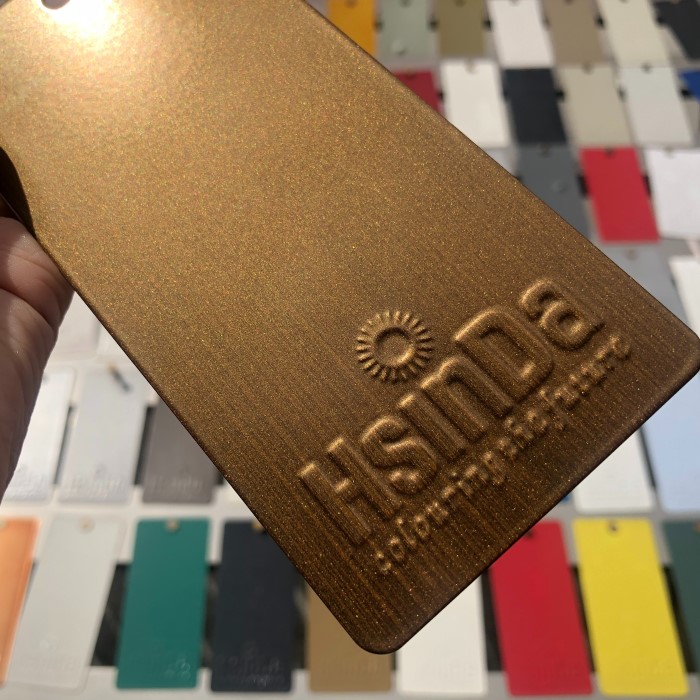
Advantages of Using
Powder coat spray paint offers significant benefits that make it a preferred choice for many industries and individuals. Below are its notable advantages explained under specific categories.
Durability and Longevity
- Exceptional Toughness:Powder coat spray paint forms a thick, solid layer that resists chipping and peeling.
- Scratch Resistance:It endures abrasions and scratches better than traditional paint methods, increasing longevity.
- Weather Resilience:This coating withstands harsh weather conditions, such as UV exposure, rain, and snow.
- Reliable Protection:Powder coatings protect surfaces from corrosion, especially on metallic objects.
In short, its durability ensures that the coated surfaces stay intact for years without frequent repairs.
Environmentally Friendly Option
- No Harmful Solvents:Powder coat spray paint is free of toxic solvents, making it safe to use.
- Low Emissions:It releases little to no VOCs (volatile organic compounds) when applied and cured.
- Minimal Waste:Powder that doesn’t adhere during application can be collected and reused.
- Energy Efficiency:The curing process requires less energy compared to traditional paints.
These features make powder coating an eco-conscious choice for both industries and DIY enthusiasts.
By offering durability and environmental benefits, powder coat spray paint stands out as a highly effective coating solution.

Common Applications
Powder coat spray paint is highly versatile. It has diverse applications across many sectors. Below are the most common uses.
Industrial Uses
Automotive Industry:
Powder coating is widely used to paint car parts. It ensures durability and protects against rust and wear. Rims, frames, and suspension parts often benefit from powder coatings.
Appliances:
Powder coat spray paint provides a smooth finish for home appliances. It is resistant to heat, wear, and tear.
Construction Materials:
Industrial equipment, pipes, and building materials are coated for added protection. Powder coating shields them from heat, corrosion, and weather damage.
Furniture:
Metal furniture relies on powder coating for an appealing and rust-resistant finish. Office desks, chairs, and outdoor furniture are commonly coated with this paint.
Home Improvement Projects
- Outdoor Furniture:Powder coat spray paint is perfect for repainting wrought-iron chairs, tables, or railings. It prevents rust and enhances weather resistance.
- Decorative Items:Powder coating works on items like metal frames or sculptures. It adds vibrancy and protects delicate designs.
- Kitchen Hardware:Use powder coat spray paint to rejuvenate kitchen taps, handles, and shelves. It creates a neat, durable surface.
- DIY Projects:Powder coat spray paint is a favorite among DIY enthusiasts. It provides professional finishes for personalized items.
Powder coat spray paint is ideal for industrial purposes and home improvement projects alike. Its versatility, resilience, and eco-friendly nature make it a preferred choice in many areas.
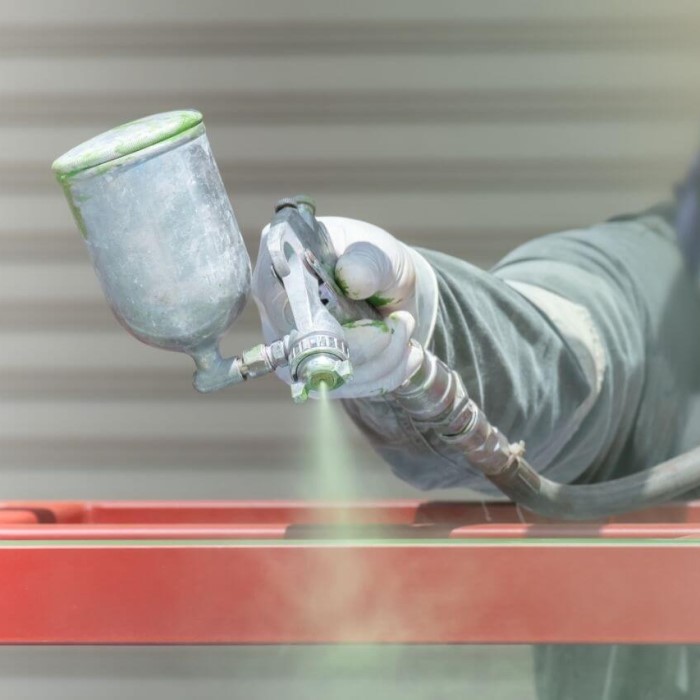
Steps to Properly Apply Powder Coat Spray Paint
Applying powder coat spray paint requires proper preparation and execution to achieve the best results. Each step is crucial to ensure a durable and professional finish. Follow these steps carefully to maximize the effectiveness of your powder coating process.
Preparing the Surface for Coating
- Clean the Surface: Remove dirt, grease, and debris with a thorough cleaning process. Use a detergent or degreaser to ensure the surface is completely clean.
- Remove Old Coatings: Strip off any old paint or coatings using sandblasting or chemical removers.
- Sand and Smooth the Surface: Sand the surface lightly to eliminate rough spots or imperfections. This ensures even adhesion of the powder.
- Remove Rust: Use a rust remover or abrasive materials to clean rusty surfaces thoroughly.
- Dry the Surface: Make sure the surface is fully dry before applying powder. Moisture can affect adhesion.
- Mask Off Areas: Cover areas that should not be coated with heat-resistant tape or plugs.
Applying the Powder Evenly
- Prepare the Powder Spray Machine: Make sure the spray gun is clean and set up correctly.
- Electrostatic Charge: Ensure the powder particles are properly charged for even adherence to the surface.
- Maintain Proper Distance: Hold the spray gun 6-12 inches away from the surface. This prevents uneven application.
- Apply Powder Coating: Spray in smooth, even motions. Ensure all areas of the surface are covered evenly.
- Inspect the Coverage: Look for any missed spots or uneven areas. Apply more powder to these sections if needed.
Curing the Coated Surface
- Preheat The Oven: Ensure the curing oven preheated to the recommended temperature for the powder coating.
- Place the Coated Item in the Oven: Carefully place the coated item in the oven while avoiding smudging the powder.
- Follow Curing Time Guidelines: Adhere to the specified temperature and curing time as recommended by the powder manufacturer.
- Cool Down: Remove the cured item and let it cool completely before handling.
By following these steps, you can achieve a high-quality, durable finish using powder coat spray paint. Proper preparation, application, and curing are essential for exceptional results.
Types of Powder Coat Spray Paint
Powder coat spray paint comes in two main types: thermoplastic powders and thermoset powders. Each type offers unique characteristics, which make them suitable for specific applications. Choosing the right type depends on the intended use and environmental conditions.
Thermoplastic vs. Thermoset Powders
Thermoplastic Powders
- Re-meltable Coating: Thermoplastic powders can be melted and reshaped multiple times without altering their chemical structure.
- Durable and Flexible: These coatings have excellent flexibility and are durable under wear and impact.
- Corrosion Resistance: They provide a strong layer of protection against corrosion.
- Applications:
- Commonly used for coating automotive parts, pipeline coatings, and metal furniture.
- Ideal for outdoor applications where long-lasting durability is necessary.
- Heat Sensitivity: They require precise temperature control during the application process to ensure durability.
Thermoset Powders
- Permanently Cured: Thermoset powders chemically bond during curing, forming a permanent, non-melting layer.
- Heat Resistant: These coatings can withstand high temperatures without softening or melting.
- Superior Chemical Resistance: They resist chemical reactions, making them suitable for harsh environments.
- Applications:
- Commonly used in the automotive, appliance, and architectural industries.
- Perfect for parts exposed to heat and handling, like engine components or outdoor fixtures.
- Cost-Effective: Thermoset powders are generally more affordable compared to thermoplastic options.
Choosing Between Thermoplastic and Thermoset Powders
- Evaluate Your Needs: Determine the environment and stress levels the coating will endure.
- Consider the Substrate Material: Match the powder type to the material being coated.
- Budget Constraints: Assess the cost differences between the two types.
- Durability Requirements: For heavy-duty and high-heat applications, thermoset powders are often a better choice.
Understanding the differences between thermoplastic and thermoset powders allows you to select the ideal powder coat spray paint for your project. Proper selection ensures long-lasting and high-performing results.
Maintenance and Care for Powder Coated Surfaces
Proper maintenance ensures durability and keeps powder coated surfaces looking new. Follow these simple tips to maintain and care for your powder coated items:
- Regular Cleaning:
- Use mild soap and water to remove dirt and debris.
- Avoid harsh chemicals or abrasive cleaners that can damage the finish.
- Wipe using a soft cloth or sponge for gentle cleaning.
- Prevent Scratches:
- Handle powder-coated surfaces with care to avoid scratches.
- Avoid dragging sharp objects across the coated areas.
- Protect From Moisture:
- Keep surfaces dry to prevent water stains or damage.
- Apply a protective wax layer for increased moisture resistance.
- Inspect For Damage:
- Check for chips or cracks regularly.
- Touch up small damages promptly to prevent corrosion.
- Avoid Extreme Heat:
- Keep surfaces away from direct flames or excessive heat.
- Extreme heat can deform or affect the coating.
- Store Properly:
- Store powder-coated items in a cool, dry place.
- Avoid exposure to sunlight for extended periods.
Long-Term Maintenance Tips
- Recoat If Needed:
- When surfaces show significant wear, recoating them can restore their appearance and protection.
- Prevent Pest Damage:
- Keep outdoor items protected from pests that may damage coatings.
Proper maintenance helps retain the durability and appearance of powder-coated surfaces for years. Following these steps ensures maximum performance and longevity.
Tips for Choosing the Right Powder Coat Spray Paint for Your Needs
Selecting the correct powder coat spray paint is essential for achieving a durable and smooth finish. Consider these tips to help you make the right choice:
- Understand Your Project Requirements:
- Evaluate the project surface material: metals, plastics, or wood.
- Determine exposure conditions: outdoor, indoor, or high-temperature settings.
- Ensure compatibility with the intended environmental factors.
- Choose Between Thermoplastic and Thermoset:
- Thermoplastics: Great for flexible, reusable coatings with excellent durability.
- Thermosets: Ideal for chemical resistance and high temperatures.
- Match the coating type to your longevity needs.
- Consider Appearance Preferences:
- Decide on your preferred finish, such as glossy, matte, or textured.
- Opt for specific colors based on your design or branding.
- Evaluate Durability:
- Choose coatings with high scratch, chip, and corrosion resistance for tougher projects.
- Look for UV-resistant options for outdoor use.
- Check Environmental Properties:
- Go for eco-friendly options with low VOC emissions.
- Ensure desired environmental standards are met.
- Budget Considerations:
- Compare costs of thermoplastic and thermoset powders.
- Decide based on the longevity and performance requirements.
- Research Manufacturer Recommendations:
- Read technical specifications provided by powder coating manufacturers.
- Follow recommended application and cure guidelines.
- Buy in Proper Quantity:
- Calculate the amount of powder coat spray paint required for your project.
- Avoid buying excessive quantities to minimize waste.
Final Suggestions
- Test different powder types before committing to large quantities.
- Ensure proper preparation and equipment for your coating process.
- Ask for expert guidance if unsure about product selection.
Choosing the right powder coat spray paint ensures long-lasting, reliable results tailored to your project needs.
Conclusion: Embracing the Eco-Friendly Choice
In conclusion, powder coat spray paint presents numerous effective uses and eco-friendly benefits. From contributing to sustainability by reducing VOC emissions to providing a robust finishing option across various industries, powder coating is an impressive solution for all. Whether you’re a professional in the field or a DIY enthusiast, embracing powder coat spray paint can lead to improved outcomes and a more sustainable approach to finishing projects. Consider exploring this versatile option to elevate your work while also benefiting the environment. As awareness of eco-friendly practices continues to grow, now is the perfect time to adopt powder coat spray paint in your projects.