Introduction to Pen Caps and Their Design
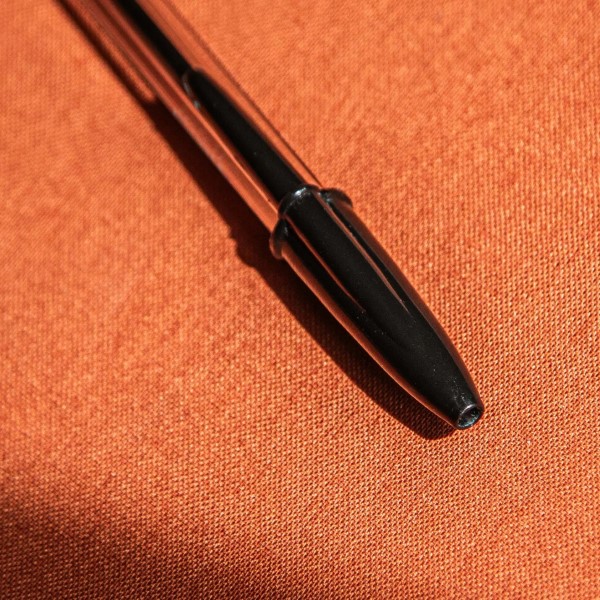
When using a pen, have you ever noticed that pen caps commonly feature small holes? This design element is often overlooked but plays a critical role in the safety of writing instruments, particularly concerning children. The question “why do pen caps have holes?” extends beyond mere aesthetics; it touches on vital considerations related to child safety. Understanding this aspect of pen design is essential for parents, educators, and anyone who uses writing instruments regularly.

Pen caps serve to protect both the nib of the pen and the surrounding environment from unwanted ink stains. However, the seemingly simple hole in the cap serves an even greater purpose. As we delve deeper into the various factors that inform this design choice, we will explore the relationship between safety and functionality in the context of writing instruments.
The Safety Factor Behind Vented Pen Caps
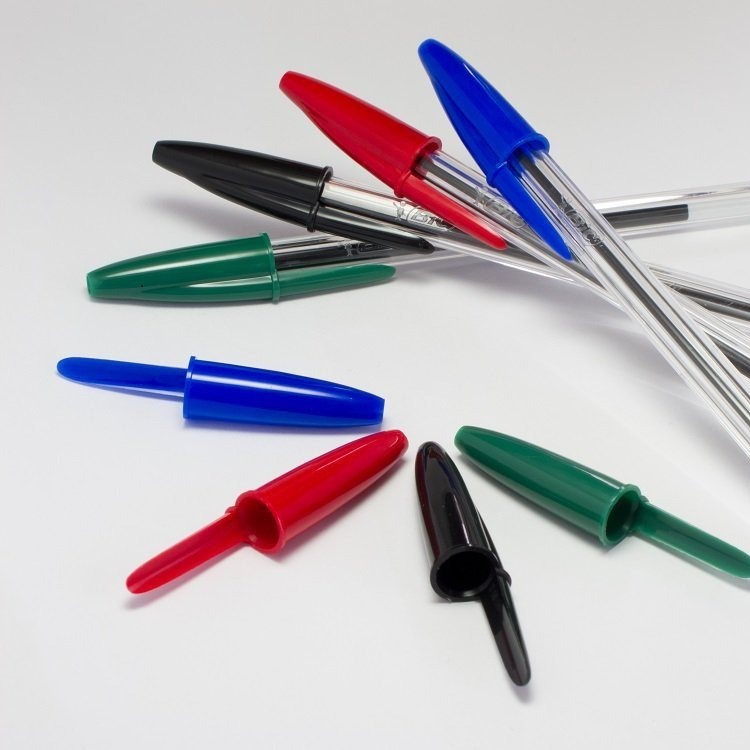
- Child Safety Considerations: Why do pen caps have holes? One primary reason why pen caps have holes is to mitigate choking hazards. When small children use pens, they can easily put caps in their mouths, inadvertently blocking their airways. The vent in the cap allows airflow if a child accidentally chokes on it. This design feature can save lives by providing a breathing pathway.
- Industry Safety Standards: Many manufacturers comply with specific safety standards aimed at protecting children. The inclusion of these ventilation holes in pen caps is part of a broader effort to follow regulations like those set by the U.S. Consumer Product Safety Commission (CPSC). Safety organizations emphasize the importance of such features in everyday consumer products, especially those intended for use by children.
- Consumer Awareness: As more parents and guardians become aware of the choking hazards associated with small items, the demand for safer designs rises. Understanding the rationale behind pen cap ventilation can empower consumers to make informed choices when selecting writing instruments for their children.
- The Role of Manufacturer Responsibility: Manufacturers also recognize their responsibility to produce safe products. With increasing scrutiny over child safety, companies have taken proactive approaches by designing pens that consider the potential risks children may encounter.

The Design and Functionality of Pen Caps
Aesthetic Considerations
- Balance of Functionality and Style: Vented pen caps are specifically designed to achieve a balance between functionality and aesthetic appeal. While their primary role is to enhance safety, manufacturers also pay significant attention to the visual aspects of the product. This balance is important for consumers who appreciate both safety features and stylish designs.
- Visually Appealing Products: Manufacturers recognize that consumers are drawn to products that look good. Therefore, they strive to create visually appealing pen caps that attract buyers. Elegant lines, vibrant colors, and stylish shapes contribute to a product’s marketability, particularly in a competitive landscape.
- Strategic Hole Placement: The holes in pen caps are not randomly placed; they are strategically positioned to maintain the overall aesthetic of the pen. This careful placement ensures that safety features complement, rather than detract from, the pen’s design. For example, the holes may be integrated into the design in such a way that they resemble decorative elements, blending functionality with style.
- Impact on Brand Image: A pen cap’s aesthetic quality can significantly influence a brand’s image. Manufacturers invest in attractive designs to enhance their brand recognition and appeal to a wider audience. When consumers perceive a brand as both stylish and safety-conscious, they are more likely to develop loyalty to that brand.
Material Choices
- Influence on Functionality: The materials chosen for manufacturing pen caps greatly affect the effectiveness of the ventilation holes. Different materials have varying properties that can impact how well the holes perform their intended function. For instance, durable plastics can maintain the structure of the cap while allowing the holes to function correctly.
- Durable Plastics: Manufacturers often opt for durable plastics like polypropylene or polyethylene for pen caps. These materials are known for their strength and longevity, ensuring that the caps withstand everyday use while maintaining their safety features. If caps are made from inferior materials, they may warp or break, compromising the effectiveness of the ventilation holes.
- Non-Toxic Materials: Safety is paramount, especially in products designed for children. Therefore, manufacturers frequently select non-toxic materials that ensure safety in case of accidental exposure. These materials do not pose health risks, which is crucial when considering the target audience for pens.
- Environmental Considerations: In addition to safety, manufacturers are increasingly aware of environmental impacts. The choice of recyclable plastics and sustainable materials is gaining traction. Consumers today are more conscious of environmental responsibility, driving manufacturers to align aesthetics with eco-friendly practices.

Cost-Effective Solutions
- Economic Production Choices: Incorporating ventilation holes into pen cap designs has proven to be a cost-effective strategy for manufacturers. By integrating safety features into the design without significantly increasing production costs, companies can offer safer products without sacrificing profit margins.
- Efficiency of Design: The design process for vented pen caps can efficiently meet safety standards without creating complicated manufacturing processes. This streamlined approach reduces labor and materials costs, allowing manufacturers to remain competitive in the market.
- Consumer Savings: As manufacturers find cost-effective ways to implement safety features, consumers often benefit from lower prices. When safety measures do not lead to increased products costs, it allows more people access to affordable, safe writing instruments. This practice can help increase sales volume, compensating for any minor changes in production expenses.
Consumer Expectations
- Shift in Market Dynamics: In recent years, consumers have demonstrated an increased expectation for products that meet stringent safety standards. Parents, in particular, are becoming more vigilant about the safety of items they purchase for their children. This change has led to a growing demand for products that integrate safety features without compromising on style or quality.
- Standardization of Safety Features: Incorporating safety features like vented pen caps has transformed from a bonus feature to a standard expectation in the pen market. As a result, manufacturers are now compelled to include these features to remain relevant and competitive.
- Brand Loyalty and Trust: Brands that prioritize child safety by implementing features like vented caps foster trust and loyalty among consumers. Parents are likely to favor brands that have a reputation for safety and quality, leading them to choose these products over competitors. This loyalty can result in repeat purchases and positive word-of-mouth marketing.
- Emerging Trends: Consumer expectations are evolving alongside technological advancements. As new materials and manufacturing methods become available, consumers will continue to expect innovative designs that prioritize safety. Companies that adapt quickly to these trends will likely thrive in the marketplace, appealing to a demographic that values both aesthetics and safety.
The History of Vented Pen Caps
- Historical Context: The concept of vented pen caps has evolved over the years as awareness of children’s safety has grown. Many classic writing instruments initially lacked this feature, leading to concerns about their safety during use by young users. Early product design primarily focused on functionality, often overlooking safety.
- Adoption by Major Brands: In recent decades, major pen manufacturers, such as BIC and Pilot, have incorporated ventilation holes into their cap designs. This shift in design practice reflects a broader understanding of consumer safety and helps build trust among users.
- Public Response and Acceptance: Increased consumer engagement has prompted companies to prioritize safety features. Consumers often appreciate brands that take extra measures to protect children, leading to positive feedback and increased sales for companies that embrace this design change.
- Evolution of Safety Trends: The growing recognition of child safety issues has led to a widespread adoption of vented caps across various writing implements, from crayons to markers. This trend reflects the evolving landscape of consumer awareness regarding product safety.
Consumer Education on Writing Instrument Safety
- Understanding Product Labels: Consumers must take the time to read the labels and instructions accompanying writing instruments. Many brands include warnings and safety guidelines related to pen cap ventilation. Familiarity with safety recommendations can enhance consumer knowledge.
- Promoting Awareness Among Children: It is essential to educate children on the proper use of writing instruments and the importance of not placing small objects in their mouths. Teaching them about the potential dangers can encourage safer behavior while using pens and other writing tools.
- Historically Misunderstood Factors: The integration of pen cap ventilation in design remains a commonly misunderstood feature. By raising public awareness, the conversation about why these simple holes exist will grow, enabling better safety practices for children.
- Safety Campaigns: Organizations and educational institutions can create campaigns to inform both children and parents about the dangers associated with choking hazards. Creating awareness can empower families to make safe choices when it comes to writing instruments.
Frequently Asked Questions
Why are pen caps vented?
Pen caps are vented to reduce the risk of choking hazards, particularly for children who may place caps in their mouths. The holes allow for airflow, enabling the child to breathe even if the cap gets lodged in their throat.
Why does a ballpoint cover have a small hole in it?
The small hole in a ballpoint pen cap serves the same purpose—promoting safety by ensuring airflow in case of choking. This design detail has become a standard feature in many writing instruments, underscoring a commitment to user safety.
When did BIC pens put a hole in the cap?
BIC began introducing ventilation holes in their pen caps in the late 20th century as part of their commitment to safety. The adoption aimed to decrease choking risks and comply with evolving safety legislation designed to protect children.
Conclusion: The Importance of Understanding Pen Cap Design
In summary, understanding why do pen caps have holes reveals a crucial aspect of consumer safety in everyday products. The design element serves a vital function that protects children from choking hazards while enhancing the overall usability of writing instruments. As parents, educators, and consumers, appreciating this feature can help make informed choices about which products to use and recommend.
Pen manufacturers have embraced these features in their designs, demonstrating a commitment to safety and quality. Awareness and education surrounding the importance of pen cap ventilation foster safer environments for children. Raising this awareness is essential for promoting effective safety practices, ensuring that the next generation of writers can enjoy their writing tools without unnecessary risks.
Moreover, as safety standards continue to evolve, consumers can expect further improvements in the design of writing instruments. Understanding the science and reasoning behind pen cap ventilation reinforces the importance of safety in product design and the responsibility that manufacturers hold in protecting users.