Introduction to Spray Painting
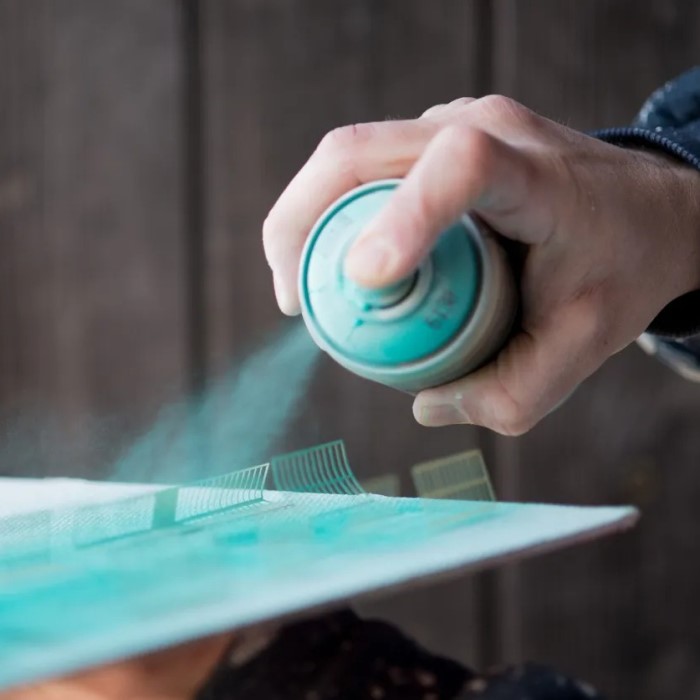
Spray painting is an incredibly versatile medium that allows for creativity and expression. Whether you are looking to refresh old furniture, add a pop of color to walls, or create intricate art pieces, knowing effective spray paint tips can make all the difference. This guide is designed to help beginners master the art of spray painting quickly and efficiently. With the right techniques and a bit of practice, anyone can become a spray paint pro.
Choosing the Right Type of Spray Paint
Selecting the right spray paint is crucial for a polished project. Different types are designed for varied surfaces and finishes, each offering unique benefits. The following insights will help you make an informed decision for the best results.
Exploring Different Spray Paint Finishes
Spray paint comes in various finishes like gloss, satin, matte, and metallic.
- Gloss Finish: Gloss paint creates a shiny, smooth surface. It works well on furniture and decorative items.
- Matte Finish: Matte spray paint offers a smooth, non-reflective surface. It’s ideal for achieving a modern look.
- Satin Finish: Satin adds a subtle sheen. It’s versatile and suits both interiors and exteriors.
- Metallic Finish: Metallic spray paint adds a touch of elegance. It’s perfect for creating a luxurious feel.
Understanding these finishes helps achieve your desired look for every project.
Selecting Spray Paint Based on Surface Material
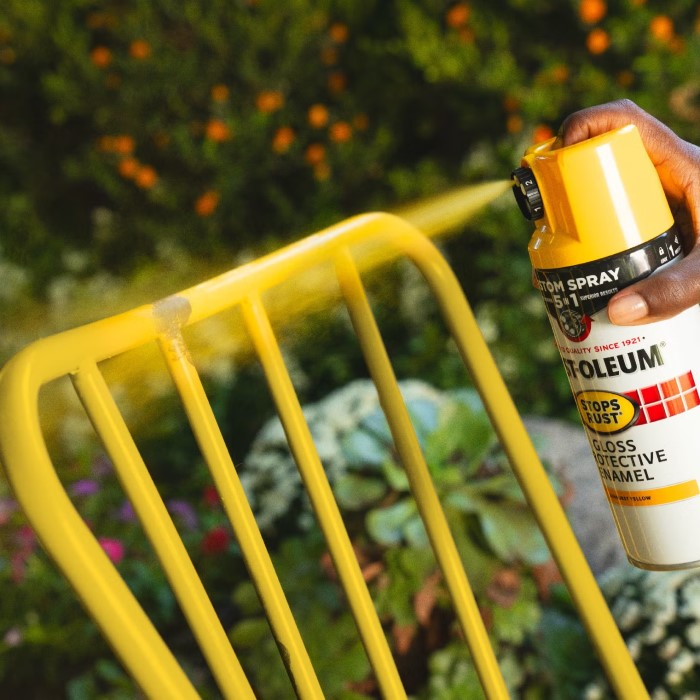
Different surfaces require specific spray paint formulations for proper adhesion and durability.
- Wood Surfaces: Opt for spray paint designed for wood. It prevents chipping and promotes smooth coverage.
- Metal Surfaces: Use rust-resistant paint for metal objects, especially for outdoor items.
- Plastic Surfaces: Choose spray paint labeled for plastics. This ensures the paint bonds well and avoids peeling.
- Glass and Ceramic: Specialized spray paint for glass and ceramic ensures a lasting finish without smudging.
Read labels carefully to verify compatibility with your project material. Prioritizing the right type avoids common issues like cracking or peeling.
Preparing Your Workspace and Materials
A well-prepared workspace ensures a safe and successful spray painting experience. Proper preparation prevents accidents and delivers smooth, professional results. Follow these essential spray paint tips to create an ideal workspace and gather the necessary materials.
Setting Up a Ventilated Area for Spray Painting
Good ventilation is essential when working with spray paint. The fumes can be harmful if inhaled.
- Work Outdoors: Whenever possible, spray paint outside. Open spaces allow fumes to dissipate quickly.
- Use a Garage or Workshop: If outdoors is not an option, ensure doors and windows are fully open.
- Set Up a Fan: Place a fan to direct fumes away. This helps maintain fresh air circulation.
- Wear a Mask: Use a respirator mask to protect your lungs from harmful spray paint particles.
- Protect Sensitive Areas: Cover surrounding furniture, walls, and floors to prevent paint residue buildup.
A ventilated space reduces health risks and keeps your painting area clean and safe.
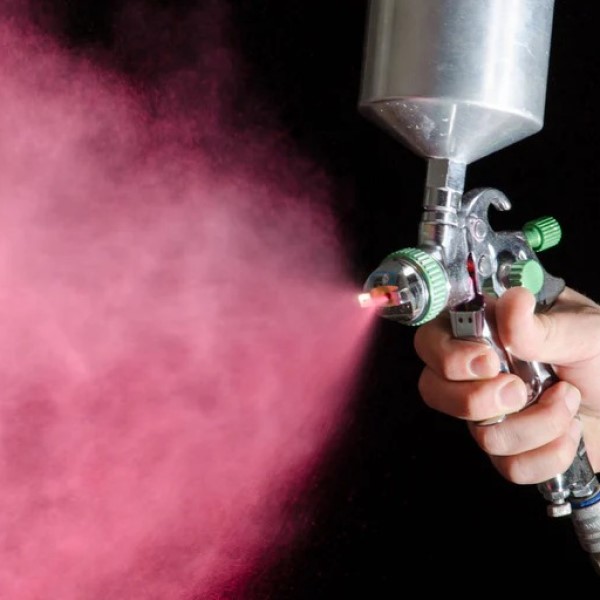
Essential Tools and Supplies for Spray Painting
Having the right tools and supplies is key for efficient and clean spray painting.
- Drop Cloths: Protect floors and surfaces from paint overspray.
- Painter’s Tape: Mask off areas that you don’t want to paint.
- Protective Gear: Wear gloves, safety goggles, and long-sleeve clothing to shield your skin and eyes.
- Sandpaper: Smooth rough surfaces before applying spray paint.
- Cleaning Materials: Have lint-free cloths or tack cloths to remove dust and dirt.
- Primer: Use primer to improve adherence and finish.
- Spray Paint Cans: Select the right spray paint suited for your project.
- Cardboard or Test Surface: Practice your technique before applying paint to the main surface.
Organize your tools and check you have everything. This ensures a streamlined and professional painting process.
Proper Surface Preparation
Proper surface preparation is essential for achieving a flawless spray paint finish. It ensures the paint adheres well and provides long-lasting results. Follow these steps to prepare your surface correctly.
Cleaning Surfaces Before Spray Painting
Before you start spray painting, cleaning the surface is a crucial step. Dirt, grease, and dust can prevent the paint from adhering and lead to an uneven finish. Here’s how to clean different surfaces:
- Remove Dirt and Dust: Wipe the surface with a damp, lint-free cloth to eliminate debris.
- Use a Degreaser: For greasy or oily surfaces, use a mild detergent or degreaser. Rinse thoroughly and let dry.
- Scrub Rough Areas: Use sandpaper to smooth imperfections or any old paint residues.
- Dry Completely: Ensure the surface is completely dry. Moisture can lead to poor paint adhesion.
Cleaning the surface properly helps your spray paint job look polished and professional.
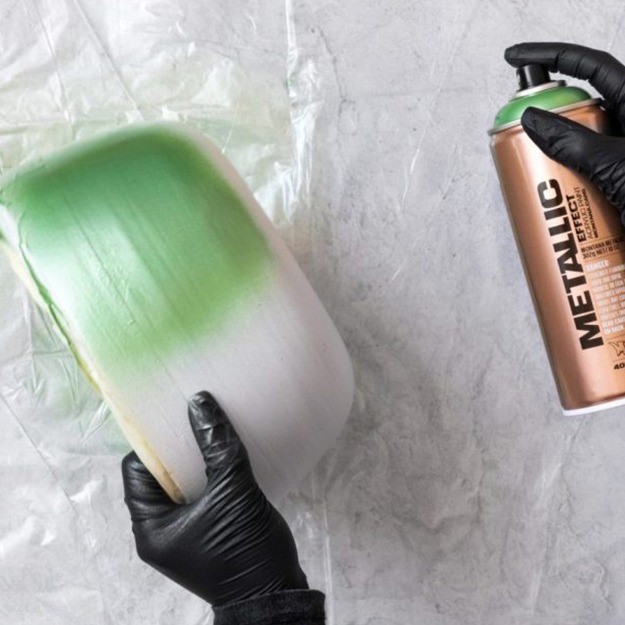
Using Primer for Better Coverage and Finish
Applying primer is a key part of surface preparation. It enhances paint adhesion and improves the final look. Different projects require specific kinds of primers:
- Wood Surfaces: Use a wood-specific primer to seal pores and prevent uneven absorption.
- Metal Surfaces: Apply rust-resistant primer to safeguard against corrosion.
- Plastic Surfaces: Choose a primer designed for plastics to ensure the paint bonds well.
- Glass or Ceramic: A specialty primer ensures smooth application for glossy surfaces.
Steps to apply primer:
- Shake the Primer Can: Ensure the primer is evenly mixed before spraying.
- Apply Thin, Even Coats: Hold the spray can at a steady 8–12 inches distance.
- Wait for Drying: Allow the primer to dry completely before applying the spray paint.
Using the right primer helps achieve a smooth and durable finish. Don’t skip this step to ensure success in your spray paint projects.
Spray Painting Techniques for Beginners
Mastering basic spray painting techniques is key for achieving a flawless, even finish. By focusing on proper spray distance and motion techniques, beginners can avoid common issues like streaks or drips. Follow these guidelines to perfect your spray painting skills.
Controlling Spray Distance for Smooth Application
Maintaining an appropriate spray distance is essential for achieving even and professional results.
- Ideal Distance: Hold the spray can 8–12 inches away from the surface. This ensures even coverage without oversaturating any area.
- Consistent Movement: Keep the can moving at a steady pace. Avoid holding it in one spot as this can cause drips.
- Test First: Spray onto a piece of cardboard or scrap material to practice your control.
- Adjust as Needed: If paint appears too thick or thin, reset your distance and technique.
- Stay Perpendicular: Keep the can at a consistent angle to avoid uneven coating.
Learning to control the spray distance improves accuracy and creates a smooth, polished surface.
Mastering Spray Patterns and Motion
Perfecting your spraying technique requires practice and precision in controlling patterns and movement.
- Start Before the Surface: Begin spraying slightly before the surface and continue past its edge. This prevents uneven starting streaks.
- Use Overlapping Strokes: Overlap each pass by 50% to avoid gaps and achieve seamless coverage.
- Steady Hand Movement: Keep a consistent horizontal or vertical motion. Avoid starting and stopping abruptly.
- Practice Speed: Move your hand at a moderate speed. Too fast results in thin coverage; too slow leads to drips.
- Light Multiple Coats: Apply thin coats and let each layer dry before adding the next.
- Change Angles: Rotate the can or your wrist to ensure even coverage on curves and corners.
With practice, these techniques will result in a clean, even application that enhances the quality of your spray paint projects. Remember, patience and precision are the keys to success.
Avoiding Common Mistakes
Even experienced spray painters encounter mistakes. Knowing how to avoid and fix them ensures better results and saves time.
Preventing Drips and Uneven Paint Layers
Drips and uneven paint layers are common problems during spray painting. Follow these spray paint tips to avoid them:
- Maintain Proper Distance: Keep the spray can 8–12 inches away from the surface for even coverage.
- Use Thin Coats: Apply light coats instead of heavy layers to prevent paint buildup and drips.
- Steady Hand Movement: Move the spray can at a consistent pace without stopping abruptly.
- Avoid Holding in One Spot: Do not focus the spray on a single area for long. This causes pooling.
- Monitor Temperature and Humidity: Paint in moderate temperatures and low humidity. Bad conditions affect drying and coverage.
- Practice First: Test your technique on cardboard or scrap material before painting the actual surface.
With these steps, you can achieve a smooth application and reduce common paint issues.
Dealing with Over-Spray and Fixing Errors
Over-spray and mistakes can happen even to seasoned painters. Learn how to fix them effectively:
- Mask Surrounding Areas: Use drop cloths, painter’s tape, or cardboard to shield areas you don’t want painted.
- Clean Over-Spray Immediately: Wipe fresh over-spray with a damp cloth before it dries.
- Sand Uneven Paint: Use fine-grit sandpaper to smooth dried runs, drips, or rough spots gently.
- Reapply Primer: If needed, correct errors with a fresh layer of primer before repainting.
- Layer with Precision: After fixing errors, apply thin coats to avoid repeating mistakes.
- Remove Excess Paint: If there’s pooling, blot gently with a cloth or absorbent material before it dries.
Pay attention during the process to avoid errors. These steps will help you resolve over-spray and painting mishaps efficiently.
Safety Tips for Spray Painting
Spray painting involves chemicals that can pose health and safety risks. By following safety guidelines, you can protect yourself and ensure a smooth process. Take necessary precautions to avoid accidents and exposure to harmful substances.
Protective Gear and Clothing Recommendations
Wearing proper clothing and gear minimizes risks during spray painting. These essentials provide protection against fumes, spills, and paint particles.
- Respirator Mask: Use a mask designed to filter paint fumes. This protects your lungs from harmful chemicals.
- Safety Goggles: Protect your eyes from overspray and accidental splashes.
- Gloves: Wear chemical-resistant gloves to safeguard your hands from paint and solvents.
- Long-Sleeve Clothing: Cover your skin fully. Choose clothes you don’t mind staining.
- Closed-Toe Shoes: Keep your feet protected from spills and dropped objects.
Before starting, ensure all gear fits comfortably. Proper protection reduces exposure and avoids health risks associated with spray painting.
Safe Handling of Spray Paint Cans
Handling spray paint cans responsibly ensures safety for yourself and surrounding items. Follow these spray paint tips for effective use:
- Read Labels: Check the instructions and warnings on the can before using it.
- Store Properly: Keep cans in a cool, dry place, away from direct sunlight or heat.
- Shake Well: Mix the contents thoroughly by shaking the can as directed.
- Do Not Puncture: Avoid puncturing or opening spray cans. The contents are pressurized and can cause injuries.
- Dispose Responsibly: Follow local guidelines for safe disposal of empty or unused cans.
- Keep Away from Fire: Store and use spray paint far from open flames or heat sources.
Handle spray paint cans with care to prevent accidents or misuse. Safety precautions ensure a worry-free painting experience.
Tips for Achieving a Professional Finish
Achieving a professional finish with spray paint requires attention to detail and proper techniques. These spray paint tips will help you produce smooth, beautiful results every time.
Applying Multiple Thin Coats for Best Results
Applying multiple thin coats is key to avoiding common issues and ensuring even coverage.
- Start with Thin Layers: Apply a light coat first to create a base. Thick coats cause drips.
- Let Each Coat Dry: Allow previous layers to dry completely before adding another. Check drying times on the paint label.
- Overlap Strokes: Use overlapping strokes to avoid streaks and gaps in the paint.
- Maintain Consistent Distance: Hold the spray can 8–12 inches from the surface for uniform application.
- Build Gradually: Add several coats rather than trying to cover in one heavy layer. Patience matters.
- Avoid Uneven Application: Move the can steadily and don’t pause over specific areas for long.
Using short, controlled sprays and multiple coats gives the paint a polished and durable finish.
Finishing Touches: Sealing or Clear Coats
Sealing or applying clear coats adds protection and enhances the finish of spray-painted projects.
- Choose the Right Sealant: Select a sealant designed for your spray paint type. Look for compatible labels.
- Add Shine or Matte: Choose a gloss or matte sealant based on the desired look.
- Apply Thin Layers: Spray even, thin coats to avoid cloudiness and buildup.
- Let Sealant Dry: Wait for the sealant to cure before using or handling the item.
- Protect Outdoor Items: Seal painted surfaces exposed to sun and rain for better durability.
- Enhance Color Vibrancy: Sealants can make colors appear richer and more vibrant.
Clear coat finishing adds longevity and gives your project a polished, professional look. Don’t skip this step!
Caring for Spray-Painted Items
Proper care ensures spray-painted items last longer and maintain their best appearance. Regular maintenance prevents damage, fading, or peeling. Follow these tips to keep your items in great shape.
Tips for Maintaining Painted Surfaces
Maintaining painted surfaces preserves the quality and longevity of your projects.
- Avoid Direct Sunlight: Keep items away from prolonged sun exposure to prevent fading or damage.
- Handle Carefully: Avoid rough handling, which may chip or scratch the paint.
- Use Protectors: Place felt pads under painted furniture to protect surfaces from scratches.
- Moisture Protection: Avoid exposing painted items to excessive moisture or water.
- Regular Dusting: Use a soft cloth to remove dirt and dust gently, to keep surfaces clean.
- Repair Chips Quickly: Touch up small chips to prevent further damage.
Adopting these practices will keep painted items looking fresh and vibrant for years.
Cleaning and Long-Term Preservation
Cleaning spray-painted items correctly plays a key role in their long-term care.
- Use Mild Cleaners: Choose gentle, non-abrasive cleaners to avoid damaging the paint.
- Damp Cloth Cleaning: Wipe surfaces with a damp cloth to remove dirt without scratching.
- Don’t Scrub: Avoid scrubbing harshly, which might cause peeling or dullness.
- Store Indoors: Store valuable or rarely used items indoors to protect them from weather conditions.
- Apply Protective Coating: Refresh surfaces periodically with clear sealants to enhance durability.
- Inspect Regularly: Check for signs of wear and touch up areas that need attention.
Effective cleaning and preservation techniques safeguard spray-painted projects from wear, tear, and environmental damage. Apply these methods to ensure lasting results.
Conclusion: Mastering Your Craft
In summary, understanding essential spray paint tips can transform your projects and elevate your skills. From preparing your workspace to mastering various techniques, each step is vital for achieving impressive results.
By applying the techniques discussed in this article, you will build a strong foundation in spray painting. Remember to always prioritize safety and move gradually from basic to advanced projects. Before long, you will find yourself creating beautiful works of art with ease. Dive into the world of spray painting, and let your creativity shine brightly!